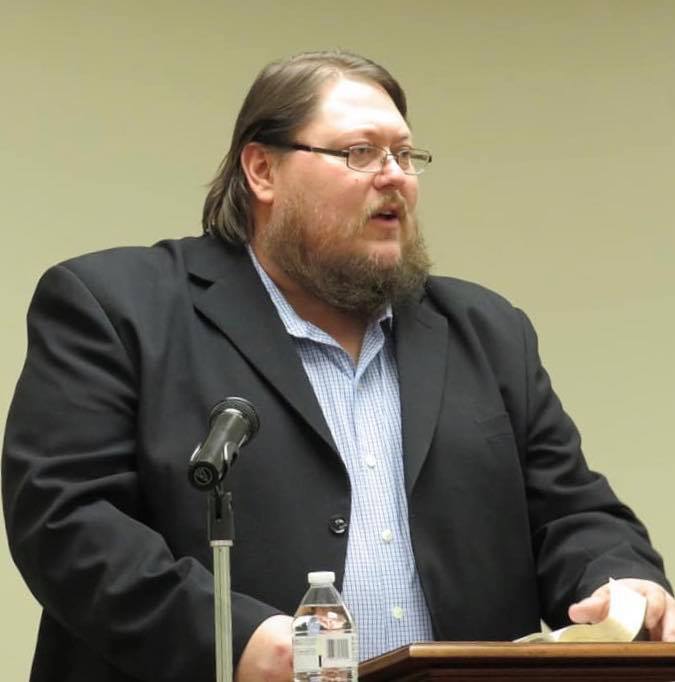
In the sermon "Heirs and Seeds" preached by Mikal Smith, the core theological topic addressed is the doctrine of believers' identity as the heirs of God through Christ in relation to their spiritual lineage. The preacher argues that true children of God are distinguished as the spiritual seed of Abraham, promised eternal inheritance, and emphasizes the necessity of being born again to become part of this lineage. Key Scriptures like Galatians 3:29, which states, “If ye be Christ's, then are ye Abraham's seed, and heirs according to the promise,” bolster the argument that the promise of inheritance is not based on physical descent but on a supernatural birth from Christ. Smith stresses the practical significance of this doctrine; it provides believers with assurance of their salvation and identity in contrast to the reality that those outside of Christ remain under condemnation, reinforcing classic Reformed themes of divine election, sovereign grace, and assurance of salvation.
Key Quotes
“Salvation is a gift that is given to us. Apart from Christ divinely and sovereignly giving us salvation, we're going to continue on in our sin until the end and be judged for that.”
“Every person for whom God gives to Christ, every one of those people, they will not be lost. Jesus promised that. Jesus said, all that the Father gives me shall come to me.”
“My law keeping is not my righteousness. My good works isn't my righteousness. Christ is my righteousness.”
“Brethren, there is going to be a day there... where every knee shall bow. And every tongue confess that Jesus Christ is Lord.”
The Bible teaches that if we are in Christ, we are heirs according to the promise made to Abraham.
In Galatians 3:29, the apostle Paul encourages believers by stating that if they belong to Christ, they are Abraham's seed and heirs according to the promise. This designation emphasizes the spiritual lineage established through faith in Jesus Christ, highlighting that true heirs are not defined by physical descent but by their relationship with Christ. As heirs, believers receive all the promises associated with being children of God, including salvation, in eternal life and communion with Him.
Galatians 3:29
God's Word assures us that all whom He gives to Christ will not be lost.
Jesus Christ affirms in John 6:39 that He will lose none of those whom the Father has given Him but will raise them up on the last day. This is a powerful indication of the security of God's chosen people. Their salvation is grounded in God's sovereign will rather than human efforts, affirming that real assurance comes from knowing that it is God who initiates, sustains, and concludes the process of salvation. Thus, those who are genuinely in Christ can rest assured of their final inheritance.
John 6:39, Galatians 3:16
Understanding one's seed clarifies our identity in Christ and our relationship to God’s promises.
In the sermon, the distinction between the seed of Christ and the seed of Satan is pivotal for understanding personal and corporate identity among believers. This delineation signifies not only our spiritual heritage but also the nature of our relationship with God. As defined in Genesis and reiterated in the New Testament, those who are of Christ possess an eternal union with Him, leading to assurance in their salvation and reliance on His righteousness rather than their own works. Thus, recognizing believers as part of Christ's seed empowers them to live out their faith with confidence, rooted in God’s eternal promise.
Genesis 3:15, John 8:44
Predestination affirms that God has chosen individuals for salvation before the foundation of the world.
The doctrine of predestination is a core tenet of sovereign grace theology, underscoring that God's choice of certain individuals for salvation is not based on foreseen faith or actions but solely on His sovereign will. Ephesians 1:4-5 elaborates that He chose us in Him before the foundation of the world, so that we should be holy and blameless before Him. This understanding of predestination assures believers that their salvation is irrevocably secured not by their merits, but by God's unchanging purpose, giving them confidence to rest in the grace of God.
Ephesians 1:4-5
Being born again of incorruptible seed means receiving a new nature through Christ.
The concept of being born again by incorruptible seed, as discussed in 1 Peter 1:23, indicates a profound transformation that occurs when one comes to faith in Christ. This 'new birth' is essential for understanding salvation and the believer's identity. It signifies being regenerated by the Holy Spirit, thus receiving a new nature that is not subject to decay or sin, unlike the fleshly nature that leads to death. This new life empowers believers to live according to God's will, affirming their status as children of God and heirs to the promises made to the faithful.
1 Peter 1:23
Comments
Your comment has been submitted and is awaiting moderation. Once approved, it will appear on this page.
Be the first to comment!
