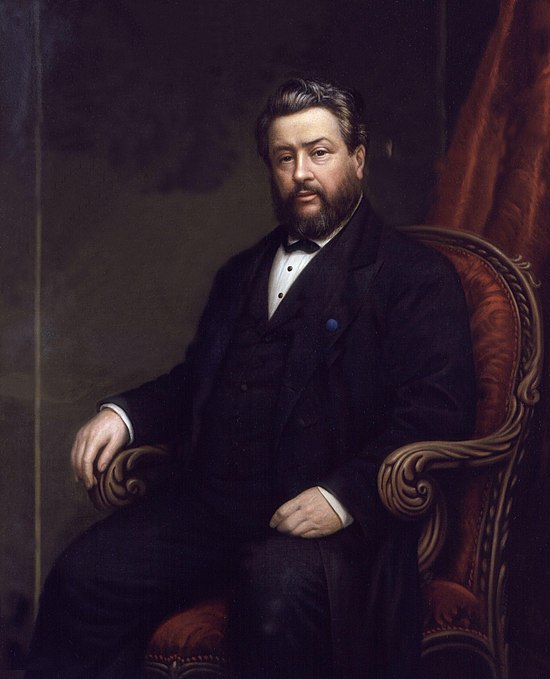
In his sermon "Turning the Other Cheek," C. H. Spurgeon addresses the Christian doctrine of non-retaliation as taught by Christ in Matthew 5:38-39 and supported by 1 Peter 2:23. He argues that the natural human response to wrongdoing is rooted in self-defense and vengeance, a mindset contrary to the teachings of Scripture. Spurgeon emphasizes that Christ's commands for forbearance and humility challenge sinful instincts, presenting non-retaliation as an expression of strength through the Holy Spirit rather than weakness. By reflecting on Christ's own conduct—who entrusted Himself to God rather than seeking vengeance—Spurgeon illustrates that true Christian virtue encompasses qualities such as humility, forgiveness, and meekness, which are not intrinsic to fallen humanity but are cultivated through regeneration. The significance of these teachings lies in their call for believers to embody Christ-like behavior, demonstrating that real strength is found in the willingness to endure wrongs for God's glory.
Key Quotes
“To turn the other cheek and to bless those who persecute you is to reflect the character of our Saviour, who, when He was reviled, did not revile in return.”
“The believer's refusal to retaliate is not cowardice, but strength. It displays the cross-shaped life of one who is dying to self and living for the glory of God.”
“Humility, forbearance, non-retaliation, forgiveness, meekness, and mercy are uniquely Christian virtues.”
“The nearer we live to the cross, the less we will think of vindicating ourselves.”
The Bible teaches that when someone strikes you, you should turn the other cheek, reflecting Christ's call to humility and forgiveness.
The command to turn the other cheek comes from Matthew 5:38-39, where Jesus instructs us, 'Do not resist an evil person. If someone strikes you on the right cheek, turn to him the other also.' This teaching challenges human nature, which is quick to retaliate and defend pride. In Christ's kingdom, non-retaliation is not a sign of weakness, but an expression of strength rooted in humility and the recognition that ultimate justice belongs to God.
Matthew 5:38-39, 1 Peter 2:23
The Bible teaches turning the other cheek as an act of non-retaliation and humility, as illustrated in Matthew 5:38-39.
Turning the other cheek, as instructed by Christ in Matthew 5:38-39, serves as a potent counter to humanity's instinct for vengeance. Christ's command to refrain from retaliation arises from the need for humility and mercy rather than personal pride or self-defense. In essence, this teaching emphasizes that a true believer, empowered by the Spirit, can respond to wrongs not with retaliation, but with forgiveness and grace. This act is not rooted in weakness but in divine strength—the ability to entrust justice to God rather than seeking immediate personal retribution.
Moreover, as 1 Peter 2:23 reminds us, Christ exemplified this virtue perfectly. Even when reviled, He did not respond in kind but continued to entrust His case to the righteous judge. This emphasizes that the believer's refusal to retaliate stems from a regenerated heart that has been transformed by the grace of God. The practice of turning the other cheek is fundamentally a reflection of Christ’s character and a hallmark of a truly regenerate spirit, showcasing that humility and meekness are the true strengths of a faithful Christian.
Matthew 5:38-39, 1 Peter 2:23
Non-retaliation is essential as it reflects Christ's character and demonstrates the strength of the Spirit within believers.
Non-retaliation is a foundational aspect of Christian virtue because it illustrates the character of Christ, who did not retaliate when wronged but instead entrusted Himself to God's righteous judgment (1 Peter 2:23). By choosing to forgive rather than seek revenge, Christians embody the cross-shaped life that demonstrates a heart transformed by the Holy Spirit. This behavior not only glorifies God but also shows that true strength lies in humility and the willingness to endure wrongs without resentment.
1 Peter 2:23, Matthew 5:38-39
Turning the other cheek is important as it reflects Christ's character and upholds Christian virtues like humility and forgiveness.
Turning the other cheek is vitally important for Christians, as it embodies the fundamental qualities that Jesus exhibited throughout His ministry. These qualities include forgiveness, meekness, and a readiness to bear wrongs without seeking revenge. Such an attitude not only reflects the heart of Jesus but also marks the believer’s identity in Christ—one who is called to mirror Divine love in their interactions.
Additionally, this command is significant because it cultivates a character rooted in the understanding that justice ultimately belongs to God. When Christians practice non-retaliation—understanding it not as weakness but as strength—they demonstrate reliance on God's sovereignty and timing in administering justice. This fosters a community of grace, where mercy is extended because it has been richly received; it recognizes that only those who have been forgiven can truly offer forgiveness. Thus, the practice of turning the other cheek is integral for Christians striving to live out the teachings of the gospel, as it signifies a transformative work that the Holy Spirit accomplishes within us.
Matthew 5:38-39, 1 Peter 2:23
Forgiveness is a distinctly Christian virtue that stems from being recipients of God's mercy and grace.
Forgiveness is uniquely tied to the Christian experience, as it emerges from the recognition of the mercy we have received through Christ's atonement. Scripture makes clear that those who have been shown great mercy are called to extend that same mercy to others. In 1 Peter 2:23, we see that Jesus modeled forgiveness even in the face of severe injustices, teaching that those who are truly transformed by the gospel will also forgive. Thus, as believers, our ability to forgive highlights our identity in Christ and the ongoing work of the Holy Spirit in our lives.
1 Peter 2:23, Matthew 5:38-39
The doctrine of non-retaliation is affirmed through Scripture and the Christ-like character it promotes within believers.
The doctrine of non-retaliation is firmly grounded in Scripture, particularly in the teachings of Jesus found in the Sermon on the Mount. Matthew 5:38-39 clearly articulates that Jesus calls His followers to a higher standard that transcends the natural instinct to seek revenge. This command from our Lord does not merely encourage a passive response to injustice; rather, it invites believers to actively embody the values of humility and forgiveness, essential components of a Christ-centered life.
Moreover, the truth of this doctrine is further affirmed by how it shapes the life of the believer. Those who have genuinely experienced the grace of God are transformed in their ability to forgive and show grace to others. As 1 Peter 2:23 shows us, Christ Himself personified this doctrine as He endured wrongful treatment without retaliating. Thus, the faithful application of non-retaliation measures not only align with Jesus’ teachings but also promote a deeper relationship with God, as it reflects reliance on His justice. Therefore, the authenticity of this doctrine can be observed through the fruit it bears in the lives of believers, signifying a heart renewed by grace.
Matthew 5:38-39, 1 Peter 2:23
Humility is vital because it aligns with Christ's teachings and reflects a heart submitted to God's will.
Humility in the life of a Christian is crucial because it reflects the character of Christ and is the opposite of the pride that characterizes the unsaved world. Jesus emphasizes humility throughout His teachings, calling His followers to 'deny themselves' and take up their cross. This attitude of humility enables believers to respond to wrongs with grace and to live in a way that honors God. It is a strength that enables Christians to endure suffering without bitterness, showing that they trust in God’s justice rather than seeking their own vindication.
Matthew 5:38-39, 1 Peter 2:23

Comments
Your comment has been submitted and is awaiting moderation. Once approved, it will appear on this page.
Be the first to comment!