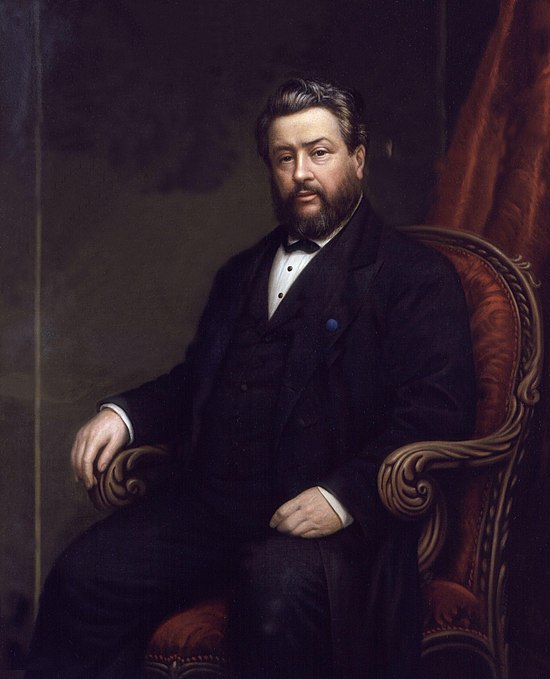
The precious sin atoning death of Jesus!
Isaiah 53:5-10; Romans 5:8
The sermon by C. H. Spurgeon focuses on the profound theological significance of the atoning death of Jesus Christ as outlined in Isaiah 53:5-10 and Romans 5:8. Spurgeon emphasizes that the cross is the fulcrum of God's eternal plan, where divine justice and mercy converge, demonstrating the depth of God's love for sinners. He argues that Jesus' suffering was not incidental but a necessity ordained by God, fulfilling His sovereign will as the ultimate sacrifice for sin. Spurgeon highlights the critical implications of the cross, asserting that believers are called to a life of crucifixion to self and sin, reflecting on the transformative power of Christ's death in the life of the Christian. The significance of the atoning death is not merely doctrinal; it instructs believers to live in a way that continually honors and magnifies Jesus.
“Calvary is not merely a tragic moment in history, it is the appointed place where divine justice met divine mercy.”
“How vile must sin be to the thrice holy God, that nothing less than the horrifying death of his only beloved Son could take it away!”
“The cross of Jesus calls every believer to a crucified life.”
“The crucifixion of Jesus Christ is not only a doctrine to be admired in our minds, but a fountain in which we must daily bathe.”
The Bible describes Jesus' death as a sin-atoning sacrifice that fulfills God's justice and love.
Isaiah 53:5-10, Romans 5:8
The crucifixion was predetermined by God's sovereign decree, fulfilling His eternal purpose.
Acts 2:23, Isaiah 53:10
It is crucial for Christians as it provides forgiveness, righteousness, and eternal life through faith.
Ephesians 1:4-5, Romans 5:1-2
Living a crucified life means denying self and allowing Christ to live in and through us.
Galatians 2:20, Romans 6:4
Auto-generated transcript • May contain errors

Comments
Your comment has been submitted and is awaiting moderation. Once approved, it will appear on this page.
Be the first to comment!