Bootstrap
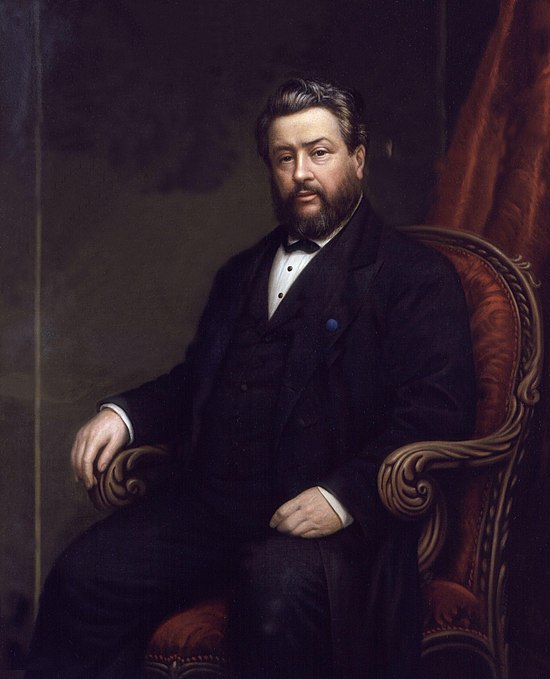
Charles Spurgeon

I am afraid that he is a hopeless case!

1 Timothy 1:15; Ephesians 3:8
Charles Spurgeon November, 4 2024 Audio
0 Comments
Another encouraging and insightful gem by Spurgeon!

In C. H. Spurgeon's sermon titled "I am afraid that he is a hopeless case!," the main theological topic addressed is the assurance of salvation for even the most egregious sinners through the grace of Jesus Christ. Spurgeon argues convincingly that all humanity, by nature, is in a fallen state as indicated in Romans 3:10-12, highlighting the universal need for redemption. He emphasizes that the Savior's power can reach the depths of the most depraved, reminding listeners of 1 Timothy 1:15, where Paul declares himself the chief of sinners, illustrating that no one's sinfulness is beyond the reach of divine grace. The practical significance of the sermon lies in encouraging believers to evangelize boldly, trusting in the omnipotent grace of God to save sinners, as they reflect on their own pasts and the mercy they have received.

Key Quotes

“I will tell you. He is exactly where the whole human race is by nature.”

“Look unto the rock from whence you were hewn and to the hole of the pit from whence you were dug.”

“It is impossible to conceive of anything or anyone that can resist the Spirit of God when He operates on the heart with saving purpose and with power.”

“In what seems to be a hopeless case to us, there is the same omnipotence of divine grace, which the Spirit can put forth to effectually save him.”

What does the Bible say about salvation for sinners?

The Bible assures that Christ Jesus came to save sinners, emphasizing that everyone, regardless of their sins, can find grace and mercy in Him.

In 1 Timothy 1:15, the Apostle Paul states, 'Here is a trustworthy saying that deserves full acceptance. Christ Jesus came into the world to save sinners, of whom I am the worst.' This underscores the heart of the Christian faith: that salvation is available to all sinners without exception. No matter how deeply entrenched in sin a person may be, the grace of God is powerful enough to redeem them. The biblical narrative repeatedly shows that the most profound sinners are often the most transformed when they encounter the saving grace of Christ.

1 Timothy 1:15, Romans 3:10-12

How do we know God's grace can save even the worst sinners?

God's grace is powerful and sovereign, meaning no sin is too great for Him to forgive and redeem.

Spurgeon reminds us that no soul is beyond the reach of God's grace, citing the omnipotent work of the Holy Spirit. He emphasizes that all humanity is born in sin, as seen in Romans 3:10-12, where it states that 'There is none righteous, no, not one.' This creates a foundation for understanding that grace is not based on human merit but on God's sovereign choice to extend mercy. The grace that rescued us can similarly transform the most vile and sinful among us, showcasing God's magnificence and the depth of His love.

Romans 3:10-12, Ephesians 2:4-5

Why is understanding our past state as sinners important for evangelism?

Recognizing our own sinful past helps us approach others with empathy and hope for their salvation.

Spurgeon stresses the importance of remembering our own state before salvation when evangelizing. Acknowledging that we were once lost and in need of grace equips us to approach others, including the 'hopeless cases,' with compassion and assurance. We must remember that every sinner we encounter is in the same fallen state that we once were, which fosters humility and empathy. This connection allows us to offer hope, as we can genuinely express that if God saved us, He can save them. The power of testimony illustrates God’s work and serves as a reminder of His ability to transform lives.

1 Timothy 1:15, Romans 6:23

How does God's sovereign grace relate to the conversion of sinners?

God's sovereign grace is the key factor in the conversion of sinners, illuminating that salvation is solely His work.

The conversion of sinners is fundamentally rooted in the sovereign grace of God. Spurgeon articulates this clearly by stating, 'In the case of every soul that was ever saved, God's motive was to magnify His sovereign grace.' This indicates that salvation is not an outcome of human effort or merit but rather a divine initiative. The transformative power of the Holy Spirit effectively saves the sinner, illustrating that no amount of past sin can hinder God's purpose. The joy of seeing particularly sinful individuals transformed is a testament to the glorifying nature of God's grace.

Ephesians 2:8-9, Romans 9:15-16

What should Christians remember when evangelizing to difficult cases?

Christians should remember their own past and God's relentless grace to inspire hope for those in difficult situations.

When evangelizing, especially to those considered 'difficult cases,' Christians are encouraged to reflect on their own journey from sin to grace. Spurgeon reminds us to 'look unto the rock from whence you were hewn,' recognizing that every believer was once lost in sin and in desperate need of redemption. This understanding eliminates pride and fosters a spirit of encouragement, as God’s redemptive power is not limited by the depth of anyone's sin. There is hope for even the most hardened individuals because God's grace is sufficient and powerful, ready to rescue and redeem anyone willing to believe.

1 Timothy 1:15, Romans 5:20
Sermon Transcript

Auto-generated transcript • May contain errors

100%
I am afraid that he is a hopeless case. By Charles Spurgeon

1 Timothy 1 verse 15

Here is a trustworthy saying that deserves full acceptance. Christ Jesus came into the world to save sinners, of whom I am the worst.

I thank God that most of the people in this church are actively engaged in soul winning. Brethren, when you go out to evangelize this afternoon, launch into the deep and let down your nets for a catch. Let not this day pass over your heads until you have lovingly sought to introduce to the Savior someone who has been a stranger to Him. Do not allow any thoughts about the character of the person you are brought in contact with to dampen your ardor.

Do you say of some especially vile sinner? I am afraid that he is a hopeless case. My dear brother, look unto the rock from whence you were hewn and to the hole of the pit from whence you were dug. Where is that sinner? I will tell you. He is exactly where the whole human race is by nature. What kind of a sinner is he? If you turn to Romans 3, you will see the photograph of the man you are intending to evangelize. There is none righteous. No, not one. There is none that understands. There is none that seeks after God. They are all gone out of the way. They are together become unprofitable. There is none that does good. No, not one. That poor sinner is just where all other lost sinners are. He is without any goodness. The imagination of the thoughts of his heart are evil, only evil, and that continually. There is nothing in the individual that you are sent to this afternoon that is at all unusual. He is just in the same fallen state where our father Adam left him. was born in the same corruption, and there is the same evil in his heart, no more, no less.

And therefore you must go to him with this upon your mind. Recollect, too, that the lost sinner is where you once were. You look down and see him in a horrible pit. It looks a long way down, and the pit is full of mud and mire and filth. He is not deeper down than you once were. At least the sinner who is further gone than I was must be an extraordinary one. Though not in outward actions, yet in my inward soul I was as far from God as a man could be who is not actually in hell. And yet His grace has saved me. Since the Lord saved me, I never despair of anyone's salvation. I think there are some of you who in past times were given to horrible vices and sins, and yet the Lord saved you. I am sure when you go out to talk to sinners that are now what you once were, you may very well feel, the Lord who saved me can save them. The gospel that came with power to my soul can come with power to their souls, and therefore I will go to them remembering the hole of the pit from whence I was dug and feel encouraged concerning them.

Remember again that that poor sinner whose soul you are going to seek this afternoon is where the best and brightest of the saints once were. Peter was there, Paul was there, they were all under the same condemnation. By nature they were all heirs of wrath, such as those sinners are, who you will shortly talk to. In all the glorious company of the apostles, the noble army of the martyrs, and the goodly fellowship of the prophets, there was never one who was not born in sin and at enmity with God. All alike needed the omnipotent Christ to put forth His strength, or else none of them could have ever been saved.

Recollect that the sinner you are going to speak with this afternoon, perhaps a drunkard in the street, is today, where those that are in heaven once were. Their robes are pure white, for they washed them in the blood of the Lamb. They are now without fault, but they were once under condemnation. There is nothing to prevent the Lord from taking the drunkard, the blasphemer, the adulterer, yes, and the murderer, and washing them in the fountain that is open for sin and impurity, and robing them in the immaculate garment of Christ's perfect righteousness, and taking their place among the heavenly host at the right hand of the eternal throne.

so be encouraged. And if you ever despair of any, then look to the rock from whence you were hewn, and the hole of the pit from whence you were dug.

" Of all the saints that ever were saved, there was nothing in their human nature, physical or mental, that aided their salvation. Absolutely nothing. Some of them were more moral than others, but still their whole head was sick and their whole heart was faint. They were all lost, utterly lost, utterly undone, hastening down the broad way that leads to eternal destruction. It was the work of the Holy Spirit that saved them in every case, and of the Spirit alone.

On the other hand, in no soul has there ever been found any atrocious evil which has been able to defeat the Spirit of God when He has put forth His omnipotence. It is impossible to conceive of anything or anyone that can resist the Spirit of God when He operates on the heart with saving purpose and with power. His ordinary ministrations are always resisted, and effectually too. But when He puts forth His might to quicken the dead sinner, in that regenerating operation He works omnipotently, and none are able to stand against Him.

In the case of every soul that was ever saved, God's motive was to magnify His sovereign grace. He saved the man, not because he deserved it, not because it would be any advantage to God to save him, but simply because He delights in mercy and He has put it on record. I will have mercy on whom I will have mercy, and I will have compassion on whom I will have compassion.

In what seems to be a hopeless case to us, there is the same omnipotence of divine grace, which the Spirit can put forth to effectually save him. And when the man is deeply sunk in sin, it will glorify the mercy of God all the more, to save such a one as him. Therefore, I would rather expect that a particularly vile man be saved than a more moral man. I would go with confidence to the chief of sinners, preach to him the Savior, Christ the Lord, and bid him look to him, and I would hope that God would bless that word to him, even though he had become so soaked in sin and so vile in corruption.
Charles Spurgeon
About Charles Spurgeon
Charles Haddon Spurgeon (19 June 1834 — 31 January 1892) was an English Particular Baptist preacher. His nickname is the "Prince of Preachers."
Broadcaster:

Comments

0 / 2000 characters
Comments are moderated before appearing.

Be the first to comment!

59
Joshua

Joshua

Shall we play a game? Ask me about articles, sermons, or theology from our library. I can also help you navigate the site.
