Religious delirium Spiritual chloroform Religious inebriation
1 Samuel 16:23; Jude
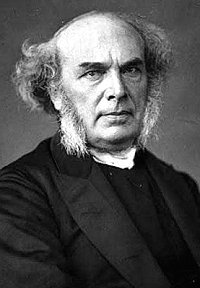
The sermon by Horatius Bonar addresses the theological concept of spiritual remedies and the inadequacy of human solutions for sin and spiritual malaise, drawing parallels between Saul's affliction and modern attempts at religious solace. Bonar argues that, akin to David's harp soothing Saul temporarily, contemporary religious practices such as rituals, music, and art serve as superficial comfort rather than true healing for the soul’s deeper issues. He references 1 Samuel 16:23 to illustrate that while these external practices may provide fleeting relief, they do not address the core problem of spiritual separation from God. The sermon underscores the significance of divine intervention through the Holy Spirit, asserting that mere human efforts lead to a false sense of peace and can create a state of "religious delirium," leaving individuals spiritually unregenerate and ultimately unfulfilled.
“These pleasant sights and sounds may soothe the imprisoned soul. But what of that? They do not bring it nearer to God.”
“They may keep up the self-satisfaction and self-delusion of the soul, but that is all. They do not fill, they merely hide our emptiness.”
“The religion thus produced is hollow, fitful, superficial, sentimental. It will neither save nor sanctify.”
“What is Romanism and ritualism but a repetition of soul’s minstrelsy?”
The Bible suggests that mere external religious practices can temporarily soothe the soul but do not address the fundamental spiritual needs.
1 Samuel 16:23
Scripture and experience indicate that external remedies fail to heal the deep-seated spiritual needs of the soul.
1 Samuel 16:23
Recognizing spiritual chloroform helps Christians avoid superficial religious experiences and seek true communion with God.
1 Samuel 16:23, Jude
Auto-generated transcript • May contain errors

Comments
Your comment has been submitted and is awaiting moderation. Once approved, it will appear on this page.
Be the first to comment!