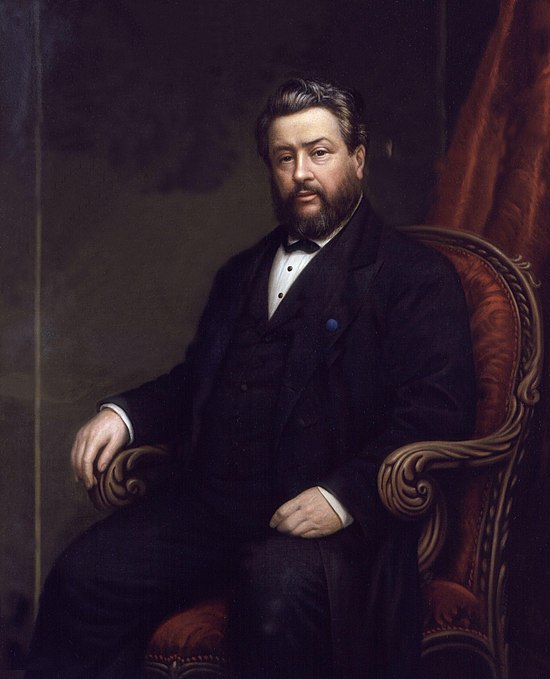
07. Let all the People Praise Thee
Philippians 4:6
C. H. Spurgeon's sermon "Let all the People Praise Thee," centered on the themes of prayer, human nature, and divine love, emphasizes the profound need for humility in recognizing humanity's fallen state. Spurgeon articulates the ruin that sin has wrought on human nature, illustrating the contrast between human pride and God's holy standards. He expresses this using various Scripture references, notably the acknowledgment of God's love despite human sinfulness, as exemplified in Romans 5:8 where it states, "But God shows his love for us in that while we were still sinners, Christ died for us." The sermon culminates in the recognition of God's grace, which allows believers to rejoice in their salvation and call others to praise God, emphasizing the practical necessity for the church to actively proclaim this good news and reflect on God's transformative love in their lives. Spurgeon’s key message underscores the importance of gratitude and humility in response to God’s unmatched love and grace.
“Thy great love, wherewith thou hast loved us, even when we were dead in trespasses and sins.”
“If there be any glory, it must be all the Lord's. If there be any virtue, it is the result of grace.”
“Oh, that Christ might come. Oh, that his word might be made known to the uttermost ends of the earth.”
“Let all the people praise thee, O God. Yea, let all the people praise thee.”
The Bible reveals human nature as fallen and inherently sinful, yet it also emphasizes God's profound love for humanity.
Ephesians 2:4-5
We know God's love is true because He demonstrated it by sending His Son to bear our sins.
Romans 5:8
Acknowledging our sinfulness is crucial as it leads us to humble reliance on God's grace.
James 4:6
Auto-generated transcript • May contain errors

Comments
Your comment has been submitted and is awaiting moderation. Once approved, it will appear on this page.
Be the first to comment!