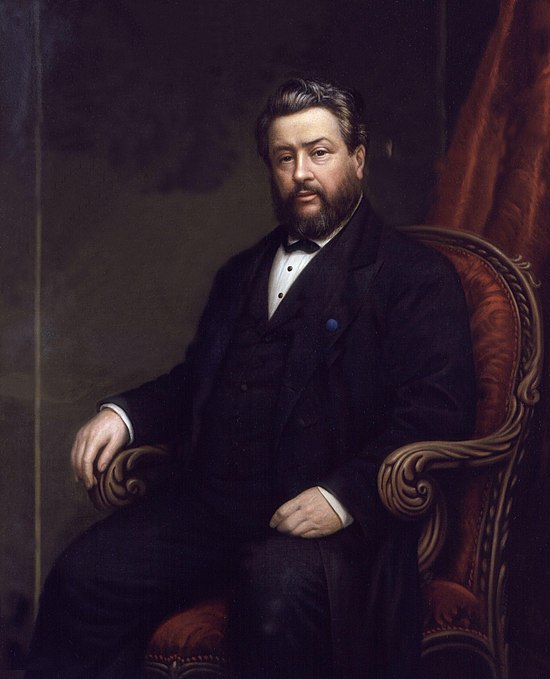
09. Glorious Liberty
Hebrews 4:16; Philippians 4:6
In "Glorious Liberty," C. H. Spurgeon addresses the theological doctrine of adoption and the believer's resultant identity as children of God. He emphasizes that true liberty comes from being emancipated through Christ, who transforms believers from being in bondage to sin to becoming heirs of God's promises. Spurgeon references Scripture passages such as Hebrews 4:16 and Philippians 4:6, illustrating how believers can now confidently approach God as their Father, shedding the burdens of the law and self-reliance. The sermon highlights the significance of this adoption, as it is an act of divine love and grace that not only secures eternal life but also enriches the believer's daily experience of joy and communion with God.
“It is the chief joy of our lives that we have become the children of God by faith.”
“Now, like Isaac, we are heirs according to promise and heirs of the promise, and we dwell at home in the Father's house.”
“Bring them into the glorious liberty of the children of God, that thy law may become their delight, thy self become their strength, their all.”
“Let him do what seemeth him good. And blessed be his name forever and ever.”
The Bible teaches that through faith in Christ, believers are adopted as children of God, enjoying the glorious freedom that comes with this status.
Galatians 4:4-7
Divine grace liberates believers from the bondage of sin, allowing them to live in the freedom of God's love and obedience.
Romans 8:1-2, John 8:36
Prayer is essential because it fosters a relationship with God, allowing believers to express gratitude, seek guidance, and grow in faith.
Hebrews 4:16, Philippians 4:6
Auto-generated transcript • May contain errors

Comments
Your comment has been submitted and is awaiting moderation. Once approved, it will appear on this page.
Be the first to comment!