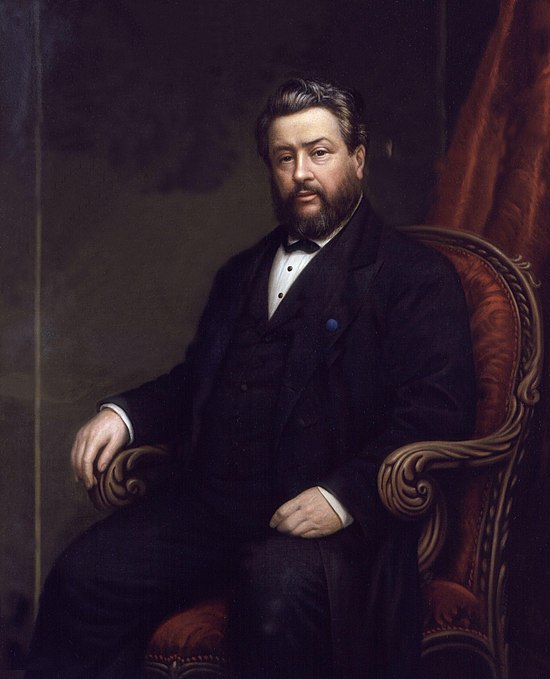
The Scriptural view of sin!
Romans 6:23; Romans 7:13
The sermon titled "The Scriptural View of Sin" by C. H. Spurgeon addresses the profound nature of sin within a Reformed theological context, emphasizing its gravity and the implications for humanity's relationship with God. Key arguments include the infinite nature of sin due to its offense against an infinite God, resulting in a punishment that cannot be borne by finite creatures (supported by Romans 6:23). Spurgeon highlights the pervasive influence of sin, noting that it affects every aspect of human nature and reminds believers that Christ's suffering reflects the depths of God's hatred for sin, which should lead Christians to a genuine loathing of their own sinfulness. The practical significance lies in the call for believers to see sin for what it is – a deforming force that alienates them from God and ultimately leads to self-damnation, thus instilling a deeper appreciation for the grace and mercy found in Christ.
“If Christ has died for me, then I cannot trifle with the sin which killed my best friend.”
“Look to the cross and hate your sin, for sin nailed your well-beloved to the cruel tree.”
“There is no cure for the love of sin, like the blood of Christ.”
“We drown our sins in the red sea of Christ's blood.”
The Bible teaches that sin results in death and is against an infinite God, leading to eternal punishment.
Romans 6:23, Romans 7:13
The doctrine of original sin is supported by the universal presence of sinfulness in all humanity, as evidenced in Scripture and human experience.
Romans 3:23
Understanding sin is vital for Christians as it deepens our appreciation for Christ's sacrifice and our need for salvation.
Hebrews 9:22, 1 John 1:9
Auto-generated transcript • May contain errors

Comments
Your comment has been submitted and is awaiting moderation. Once approved, it will appear on this page.
Be the first to comment!