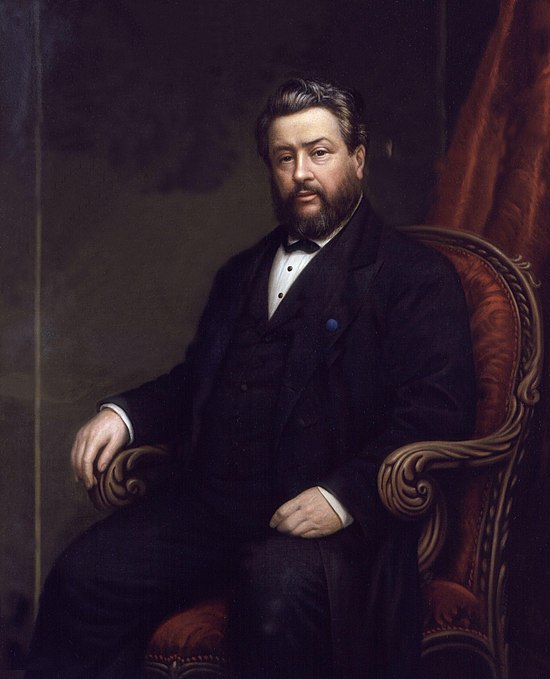
C. H. Spurgeon's "Introduction to Spurgeon's Prayers" explores the profound theological significance of prayer as a vital aspect of the Christian life, emphasizing that true prayer emanates from a deep understanding of Scripture and an intimate relationship with God. Spurgeon’s prayers reflect rich theological content, showcasing his knowledge of the Trinity, the redemptive work of Christ, and the empowerment of the Holy Spirit. Key Scripture references, such as Hebrews 4:16 and Philippians 4:6, underscore the believer's boldness and assurance in approaching God's throne of grace, which Spurgeon exemplifies in his heartfelt supplications. The significance of this sermon lies in its call to a theology-infused prayer life that is animated by a deep love for God and a commitment to articulate devotion, urging believers to pursue a richer, more effective prayer life.
Key Quotes
“A man of God is frequently at his intellectual best in prayer.”
“No man can pray with high effect unless he is steeped in Scripture.”
“The prayers of the tabernacle kindled countless cold hearts.”
“Beware of an untheological devotion.”
The Bible encourages believers to approach God in prayer, seeking guidance and provision.
The Bible teaches us that prayer is a vital means of communicating with God. Hebrews 4:16 urges believers to approach the throne of grace with confidence so that we may receive mercy and find grace to help in time of need. Likewise, Philippians 4:6 instructs Christians to present their requests to God through prayer and supplication. These scriptures highlight the importance of prayer as an expression of dependence on God and an avenue for His comfort and assistance in our lives.
Hebrews 4:16, Philippians 4:6
C.H. Spurgeon's prayers were considered powerful due to his deep understanding of Scripture and his heartfelt sincerity.
C.H. Spurgeon's effectiveness in prayer was closely tied to both his profound knowledge of the Scriptures and the authenticity of his devotion. His prayers were a natural expression of his relationship with God, reflecting his immersion in the Word. It was noted that real prayer cannot occur without being steeped in Scripture, and Spurgeon's familiarity with it enriched his intercession, making his prayers touching and theologically profound. This combination of heartfelt sincerity and scriptural knowledge contributed to the undeniable power of his prayers.
Hebrews 4:16, Philippians 4:6
Theology enriches prayer by grounding it in a true understanding of God and His attributes.
Theological depth is essential in prayer as it ensures that our conversations with God are rooted in truth. C.H. Spurgeon's prayers were rich in theology, which demonstrated his deep understanding of God, the Holy Trinity, and the redemptive work of Christ. When prayers are informed by sound theology, they become more meaningful and effective, enhancing our relationship with God. Un-theological devotion can lead to misunderstandings about God and His will, whereas theological awareness guides us to pray in alignment with His character and purposes. Therefore, a robust theological foundation in prayer cultivates both humility and confidence in approaching God's throne.
N/A
C.H. Spurgeon's prayers offer ideals of devotion and a model for effective congregational prayer.
C.H. Spurgeon's prayers serve as a powerful example for both personal and congregational prayer life. His heartfelt sincerity, theological depth, and vivid language can inspire Christians to approach God with fervor and confidence. Spurgeon's ability to articulate deep theological truths in prayer encourages believers to see prayer not merely as a ritual but as a dynamic interaction with the living God. By studying his prayers, ministers and Christian workers can be enriched and equipped to pray more effectively for their congregations and personal needs, igniting a passion for prayer that reflects the heart of God.
N/A
Comments
Your comment has been submitted and is awaiting moderation. Once approved, it will appear on this page.
Be the first to comment!
