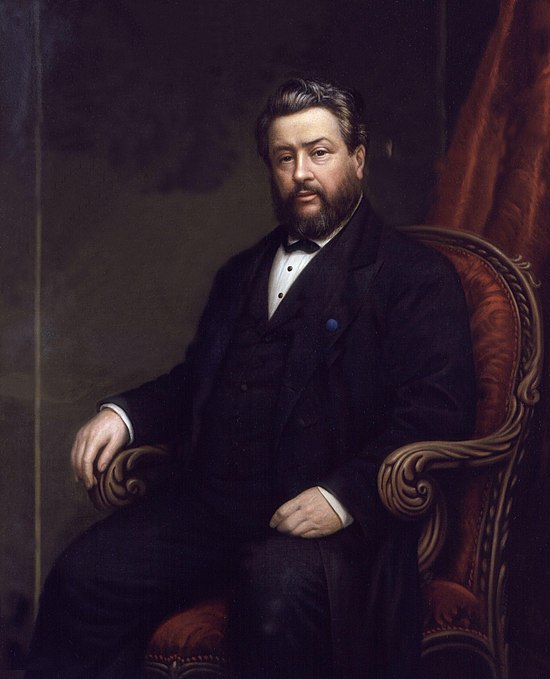
In C. H. Spurgeon's sermon titled "Unbelief Condemned and Faith Commended," the central theological topic addressed is the contrast between unbelief and faith, highlighting their spiritual implications. Spurgeon argues that unbelief is a form of frowardness, characterized by willful disobedience to God and a refusal to accept His promises (Deuteronomy 32:20, Psalm 40:4). He supports his argument by citing Scriptures that define unbelievers as perverse while affirming God's high regard for those who trust Him. The sermon emphasizes the practical significance of faith as the only avenue for salvation, asserting that even passive unbelief can lead to spiritual death, whereas active faith brings blessing and eternal life in Christ.
Key Quotes
“They are a very froward generation, children in whom is no faith.”
“Alas, it is still true that all men have not faith.”
“Blessed is that man that maketh the Lord his trust.”
“If thou wilt make the Lord thy trust, thou shalt be blessed.”
The Bible condemns unbelief as a froward attitude that leads to disobedience and separation from God.
According to Deuteronomy 32:20, God describes unbelievers as 'a very froward generation, children in whom is no faith.' This indicates that unbelief is not merely a lack of faith but a deliberate disobedience and a posture of resistance against God's truth. The Scripture emphasizes that the absence of faith reveals one's perversity and willfulness, which stands in stark contrast to the behavior and disposition that God desires from His people. Throughout the biblical narrative, unbelief leads to severe consequences, including exclusion from God’s promises and blessings.
Deuteronomy 32:20
Faith is crucial for Christians as it is the means through which we receive salvation and live according to God's will.
Faith holds a central place in the life of a Christian, as articulated in passages like Hebrews 11 and through the declaration of Psalm 40:4, which states, 'Blessed is that man that maketh the Lord his trust.' Faith is not only the means by which we receive salvation but also how we live out our Christian walk. The just live by faith, which means believers are justified before God because they place their confidence in Jesus Christ. Furthermore, faith opens the door to God's blessings and promises, as God is pleased when His people trust Him.
Hebrews 11, Psalm 40:4
Trusting God is essential for salvation because belief in Jesus Christ is the means through which we receive eternal life.
Trusting in God is foundational for salvation as it reflects obedience to His instructions and recognition of His supreme authority. John 3:18 clearly states that 'he that believeth not the Son shall not see life; but the wrath of God abideth on him.' This indicates that belief in Jesus is critical to avoid condemnation and attain salvation. It is through faith that we accept the grace offered through Christ's sacrifice, now standing justified before God. Without genuine trust in Him, one remains outside the hope of salvation.
John 3:18
The Bible affirms that God's promises are sure and trustworthy, and faith is necessary to fully embrace them.
The Scriptures present God's promises as firm and unwavering, designed for the benefit of those who trust in Him. The Apostle John states in John 20:31, 'These are written that ye might believe that Jesus is the Christ.' This underscores that faith enables believers to access the abundance of divine promises. Trusting these truths allows Christians to navigate life’s trials with the assurance of God’s faithfulness. A life of faith is lived with full confidence in God's Word, bringing peace and hope even in adversity.
John 20:31
Comments
Your comment has been submitted and is awaiting moderation. Once approved, it will appear on this page.
Be the first to comment!
