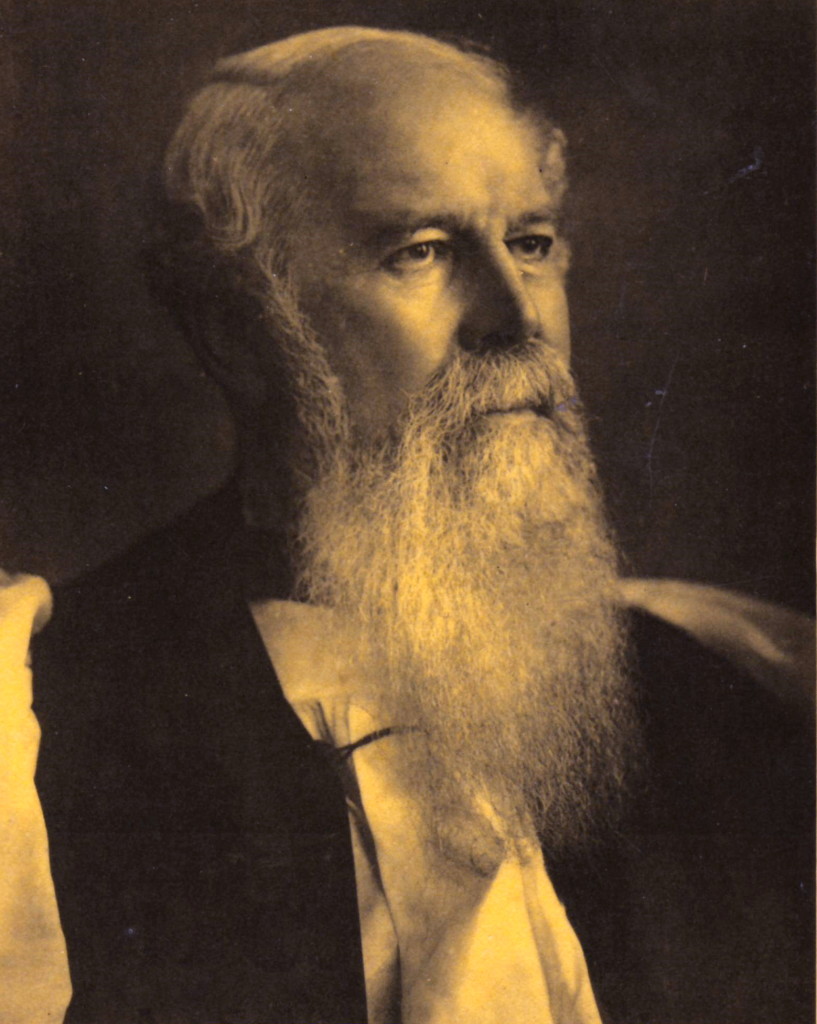
The sermon on John 16:16-24 by J. C. Ryle addresses the themes of Christ's absence and anticipated return, focusing on the sorrow experienced by believers in the interim period. Ryle articulates that while Christ's departure evokes sorrow in His followers, it simultaneously brings joy to the world, as seen in verses 20-21. He draws from the analogy of a woman's labor, emphasizing that the ultimate joy experienced at Christ's return will overshadow the temporary pain of absence (John 16:22). Furthermore, Ryle highlights the promise of prayer in Christ's name (verse 24) as a vital means for believers to connect with God during His absence, underscoring the Reformed doctrine of prayer as a necessary practice for joy and communion with God. The significance of this message lies in encouraging believers to remain hopeful and prayerful while awaiting Christ's second coming.
Key Quotes
“During my absence from the world, after my ascension, you, my beloved disciples, and believers after you, shall have many reasons to lament and mourn, like a bride separate from her husband.”
“The second coming of Christ is the only time of universal and unbroken joy, to which believers can look forward.”
“If we know these things, happy are we if we do them.”
“Let prayer in the name of Jesus be a daily habit with us every morning and evening of our lives.”
The Bible teaches that Christ's absence brings sorrow to believers while the world rejoices.
The absence of Christ is a state of sorrow for true believers. As J.C. Ryle explains, during the period that Christ is not physically present, believers will experience sorrow akin to a bride separated from her husband. This sorrow exists within a world that does not recognize its need for Christ and continues in its ways without Him. While believers yearn for His return, the wicked find joy in His absence. The interim is characterized by longing and tribulation for the faithful, as they await the joy that will come upon His return at the end of the age.
John 16:20, Matthew 9:15, Romans 7:23
The second coming is crucial for Christians as it promises complete joy and the fulfillment of God's redemptive plan.
The second coming of Christ is paramount for Christians as it embodies the culmination of their hopes and the fulfillment of God's redemptive promises. Ryle notes that the joy believers experience when Christ returns will be unparalleled and everlasting, contrasting with the sorrow they endure in His absence. This event not only marks the restoration of all things but also represents the ultimate realization of their relationship with Christ, transforming their sorrow into eternal joy. Therefore, Christians are encouraged to keep their focus on this anticipated event, as it assures them of their future happiness and the consummation of God's kingdom on earth.
John 16:22, 2 Peter 3:12, 2 Timothy 4:8
Believers communicate with God through prayer in the name of Jesus.
During the period of Christ's absence, believers are instructed to engage in prayer, using Jesus' name as the mediator between humanity and God. As Ryle emphasizes, previous to this instruction, the disciples had not fully grasped Christ's role as the mediator, but now they are invited to bring their requests to the Father through Him. The act of praying in Jesus’ name is both a privilege and a duty that enables believers to access God's grace and blessings. Importantly, the joy and comfort of believers are portrayed as being intimately tied to the fervency and heart with which they pray, illustrating the significance of prayer as a sustaining practice during their time of waiting.
John 16:23-24, 1 John 1:4
Believers find joy amidst sorrows through their relationship with Christ and the promise of His return.
In a world filled with trials and tribulations, believers maintain their joy by anchoring their hope in Christ and His promises. Ryle explains that while the current state of the world may be filled with suffering for believers, the anticipation of Christ's return transforms their sorrow into joy. This joy is not based on earthly circumstances but is rooted in their relationship with Christ and the certainty of His ultimate victory. By holding fast to the promises of Scripture and engaging in prayer, believers can experience a measure of joy and peace that transcends their immediate struggles, thereby reflecting the deeper hope that sustains them until Christ returns.
John 16:22, Romans 8:22-23, 2 Corinthians 4:17
Comments
Your comment has been submitted and is awaiting moderation. Once approved, it will appear on this page.
Be the first to comment!
