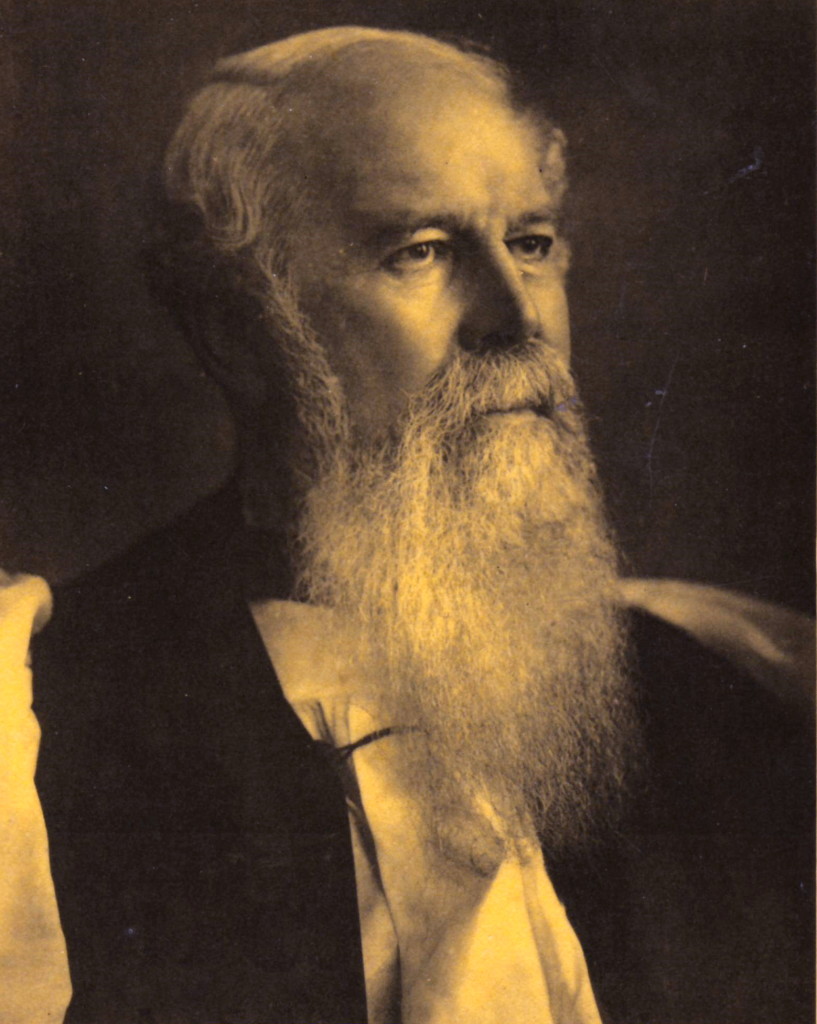
In this sermon on John 15:1-6, J. C. Ryle focuses on the profound concepts of Christ's unity with the Father and the unique peace that He offers to believers. Ryle argues that Jesus leaves His disciples with the gift of peace, which is distinct from worldly peace, emphasizing that true peace comes from the reconciliation with God achieved through Christ's sacrifice. He supports his arguments with Scripture, notably John 14:27, where Jesus states, "Peace I leave with you," illustrating that this peace is a divine legacy, meant to comfort believers amidst trials and tribulations. The practical significance of this message lies in the reassurance it provides to believers about their identity in Christ and the perfect holiness of the Savior, who, as Ryle notes, is the only one against whom Satan can find nothing. Thus, believers can find solace and strength in the face of spiritual opposition.
Key Quotes
“Peace is Christ's peculiar gift, not money, not worldly ease, not temporal prosperity.”
“The peace which Christ gives he calls my peace. It is specially his own to give because he bought it by his own blood.”
“In ourselves and our doings we shall find everything imperfect, and if we had no other hope than our own goodness, we might well despair.”
“Well may we say with the triumphant Apostle, Who shall lay anything to our charge? Christ hath died for us and suffered in our stead.”
The peace Christ gives is unique, transcending worldly offerings, and is a deep sense of inner calm stemming from reconciliation with God.
In John 14:27, Christ distinctly states, 'Peace I leave with you; my peace I give unto you: not as the world giveth, give I unto you.' This highlights that the peace Jesus provides is not merely a temporary comfort like that offered by the world, which often falters and is uncertain. His peace is a profound assurance resulting from a believer’s reconciliation with God through faith in Him. This inward peace is bestowed upon every believer, irrespective of their earthly circumstances, reflecting the eternal nature of His mercy and grace.
The gift of peace is crucial for a believer's life; it alleviates the burdens of sin and dread, making room for trust in God's promises. This peace, purchased through Christ's sacrificial death, is a legacy intended to sustain believers through trials and tribulations. As J.C. Ryle emphasizes, the non-conditional nature of Christ’s peace— 'He never takes away'—ensures that when we rely on Him, we can approach any circumstance without fear or trepidation.
Christ's sinlessness is affirmed in Scripture, emphasizing that even Satan found nothing to condemn Him.
In John 14:30, Jesus proclaims, 'the prince of this world cometh and hath nothing in me.' This assertion clearly attests to His perfect holiness and sinlessness; no guilt or imperfection could be found in Him. The Apostle John further supports this in 1 John 3:5, stating, 'And ye know that he was manifested to take away our sins; and in him is no sin.' This profound truth is essential for understanding the nature of Christ as our perfect substitute in salvation.
The significance of Christ's sinlessness cannot be overstated. As our representative, His unblemished life qualifies Him uniquely to bear the sins of others on the cross. Unlike Adam, Noah, or David—whom Satan could accuse of flaws—Jesus faced the full assault of temptation yet remained untainted. His divine nature assures us of the worthiness of His sacrificial offering. Therefore, the reality of Christ's complete righteousness provides believers assurance of their justification before a holy God.
Understanding Christ's unity with the Father clarifies His authority and the nature of His peace as a divine gift.
In John 14, Jesus repeatedly refers to 'the Father,' emphasizing His deep unity with God. This frequent declaration underscores the essence of His divinity and the authority with which He imparts peace to His people—'My peace I give unto you.' Knowing this unity assures believers that Christ functions not independently but as part of the divine Trinity, executing the Father's will and providing perfect peace from that secure relationship.
The implications of this unity are profound. It assures believers that the peace offered through Christ is reflective of the eternal peace between the Father and the Son, which believers are invited to partake in. It strengthens faith in Christ’s mission and purpose on Earth, culminating in His sacrificial death and resurrection, and demonstrates the unwavering nature of God's love and commitment to redeeming humanity.
Comments
Your comment has been submitted and is awaiting moderation. Once approved, it will appear on this page.
Be the first to comment!
