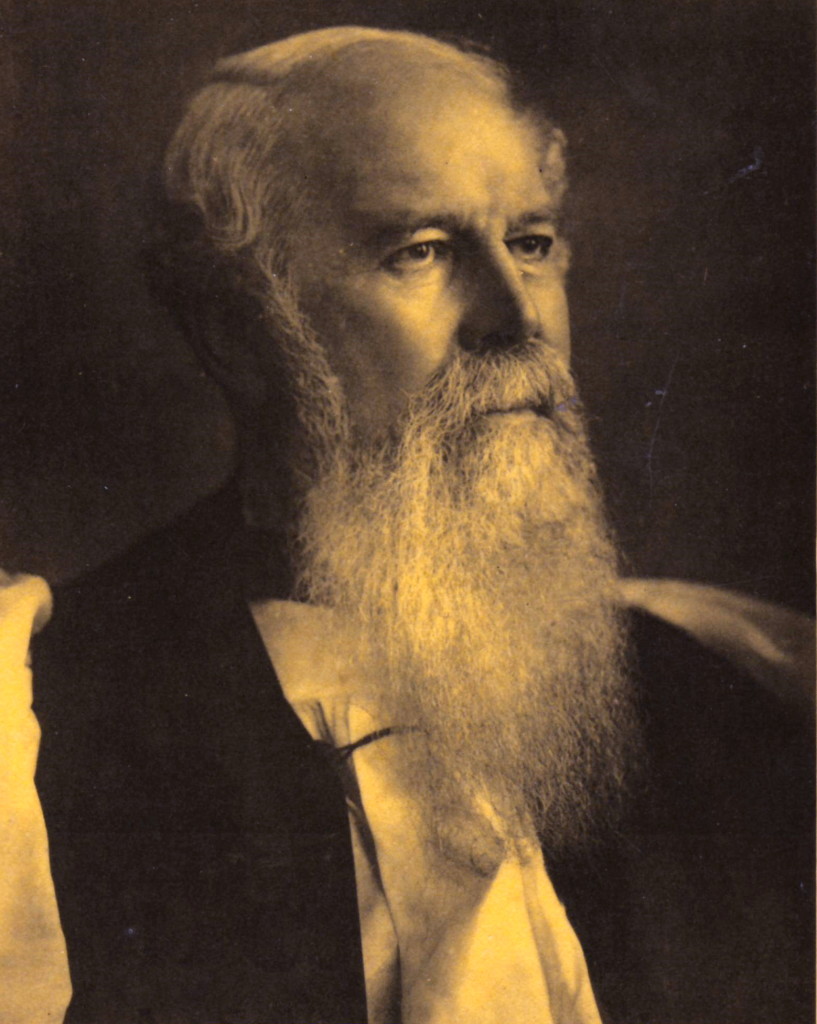
In J.C. Ryle's exposition of John 19:1-16, the preacher addresses the theological significance of Christ's Passion by illustrating three key portraits: Christ, the unbelieving Jews, and Pontius Pilate. Ryle emphasizes how Jesus is portrayed as the innocent Savior—scourged, crowned with thorns, and mocked—fulfilling Isaiah's prophecy that He would bear the iniquities of many (Isaiah 53:5). He notes Pilate's repeated assertion of Jesus' innocence as a divine declaration underscoring the blameless nature of Christ, which adds depth to the gravity of the Jews' condemnation influenced by religious leaders. The Jews, rejecting the Light, represent the peril of hardening one's heart against revealed truth, leading to apostasy (Proverbs 1:24-26; 2 Thessalonians 2:11). Lastly, Ryle contrasts Pilate's moral cowardice—accepting public opinion over divine justice—with the requirement for believers to act faithfully in the face of opposition, asserting that righteous governance is rooted in a fear of God rather than manipulation by public sentiment.
“Never let us forget when we ponder this tale of suffering that Jesus suffered for our sins, the just for the unjust.”
“There is such a thing as judicial blindness, and it is the last and sorest judgment which God can send upon men.”
“To have one conscience in private and another in public…this may seem right…but it is a character which no Christian man can ever regard with respect.”
“Let us admire that love of Christ which St. Paul declares, passeth knowledge, and let us see an endless depth of meaning in the expression.”
Auto-generated transcript • May contain errors
Comments
Your comment has been submitted and is awaiting moderation. Once approved, it will appear on this page.
Be the first to comment!