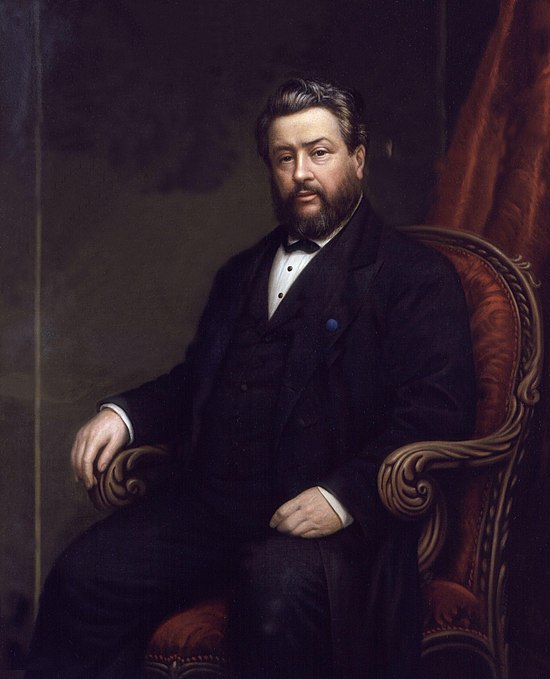
In C. H. Spurgeon's sermon "Christ Crucified," he addresses the theological doctrine of the centrality of Christ's crucifixion in salvation. Spurgeon argues that the gospel is met with disdain from the religious (Jews) as a stumbling block and from the intellectuals (Greeks) as foolishness, emphasizing human folly in attempting to rationalize the divine through worldly wisdom. He references 1 Corinthians 1:23-24, highlighting God's sovereignty in the rejection and ultimate triumph of the gospel, and he illustrates the distinction between the general call to all people and the effectual call to those elected for salvation. The practical significance lies in recognizing the power and wisdom of God in the crucifixion of Christ, which transcends human understanding, and serves as a foundation upon which true faith rests, rejecting formalism and philosophical reasoning in favor of a personal relationship with Christ.
“We preach Christ crucified unto the Jews a stumbling block and unto the Greeks foolishness. But unto them which are called, both Jews and Greeks, Christ the power of God and the wisdom of God.”
“It pleased God by the foolishness of preaching to save them that believe.”
“The gospel of the Bible is not such a gospel as that.”
“There are two calls… Many are called with a general call, but they are not chosen. The other is a special call, the children's call.”
The Bible presents Christ crucified as both a stumbling block to some and the power and wisdom of God to those who are called.
1 Corinthians 1:23-24
The resurrection is affirmed through the testimony of scripture and the transformative experience of believers.
1 Corinthians 15:20-22
The doctrine of election highlights God's sovereignty and grace in saving those He has chosen.
Ephesians 1:4-5
Preaching Christ and Him crucified centers on proclaiming the essential truths of the gospel and the work of redemption.
1 Corinthians 1:23
Auto-generated transcript • May contain errors

Comments
Your comment has been submitted and is awaiting moderation. Once approved, it will appear on this page.
Be the first to comment!