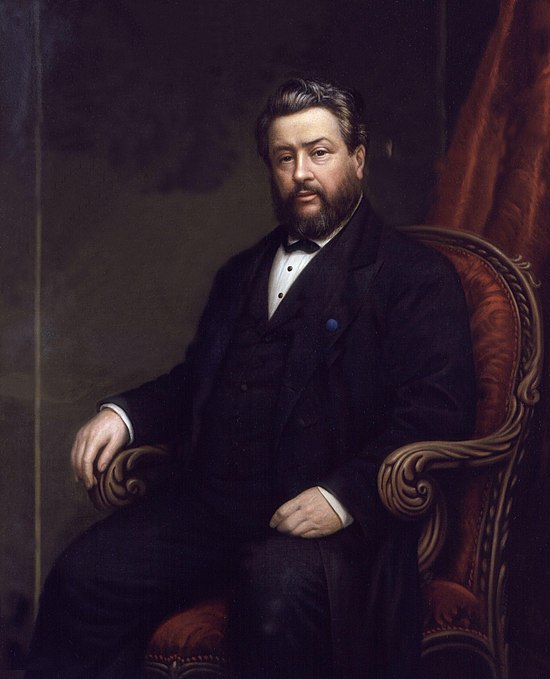
In "A Defense of Calvinism," C. H. Spurgeon emphasizes the doctrine of sovereign grace as fundamental to Reformed theology. He argues against the instability of shifting beliefs that can yield little fruit in faith, advocating for a firm grasp of vital doctrines such as election, the total depravity of man, and the perseverance of the saints. Spurgeon cites Ephesians 1 to illustrate God's sovereign choice in salvation, reinforcing that it is ultimately God who initiates the salvation process rather than human effort or free will. The practical significance of this sermon is profound; it calls Christians to trust in the certainty of God's plans and grace, fostering assurance and deep gratitude for salvation that is eternally secure.
“If I believed what some preach about the temporary, trumpery salvation which only lasts for a time, I would scarcely be at all grateful for it.”
“I believe that the happiest of Christians and the truest of Christians are those who never dare to doubt God but who take His word simply as it stands and believes it.”
“Salvation is of the Lord. That is just an epitome of Calvinism. It is the sum and substance of it.”
“If ever it should come to pass that sheep of Christ might fall away, my fickle, feeble soul, alas, would fall a thousand times a day.”
The Bible teaches that God elects individuals for eternal life before the foundation of the world, as seen in Ephesians 1:4.
Salvation is by grace alone, not based on our works, as affirmed in Ephesians 2:8-9.
Total depravity shows humanity's complete inability to save themselves, highlighting the need for God's grace and mercy.
Christians can be assured of their perseverance in faith through God’s promises and the sealing of the Holy Spirit.
Auto-generated transcript • May contain errors

Comments
Your comment has been submitted and is awaiting moderation. Once approved, it will appear on this page.
Be the first to comment!