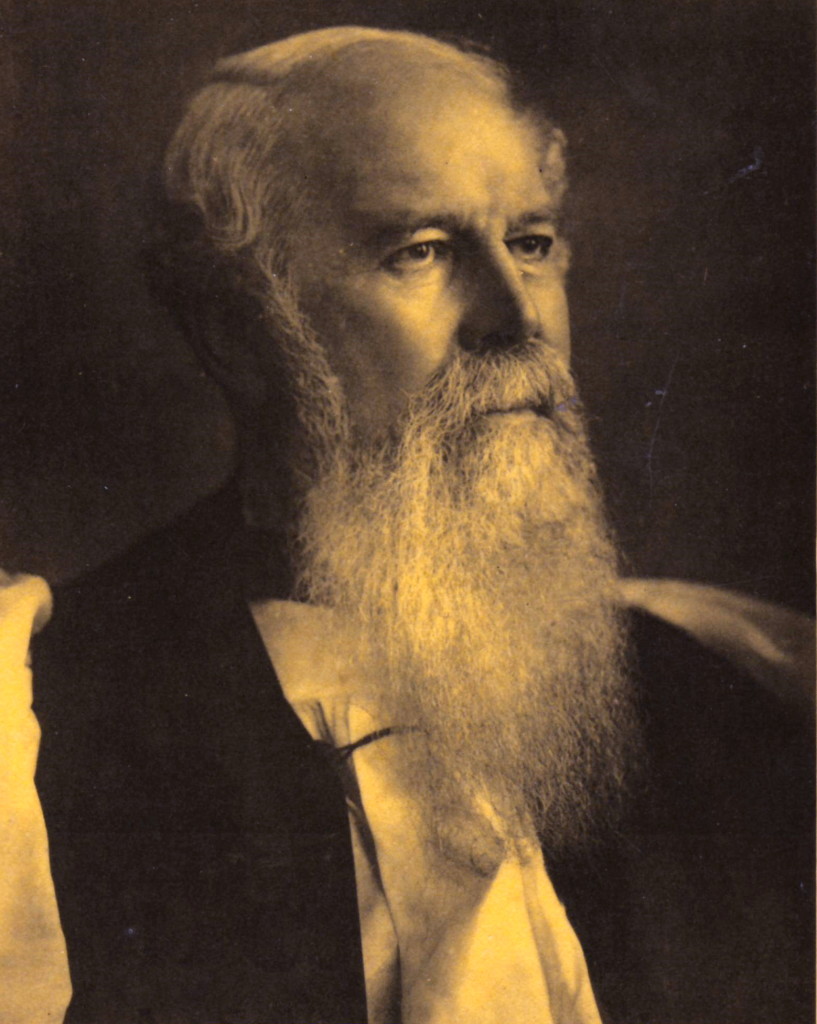
In this sermon on John 19:17-27, J.C. Ryle addresses the profound themes of Christ's vicarious suffering and His redemptive kingship as demonstrated during the crucifixion. Ryle emphasizes how Jesus bore His cross as a fulfillment of Old Testament types, specifically highlighting Leviticus 16:27 and Hebrews 13:12, which connect Jesus' death outside the city to the sacrificial system. The title inscribed above the cross, "Jesus of Nazareth, King of the Jews," is examined as a divine declaration of His sovereignty, despite the scorn from the religious leaders. Ryle underscores the significance of Jesus’ care for His mother, asserting it illustrates His compassion amid suffering, while simultaneously dismantling Catholic doctrine surrounding Mary as a co-mediatrix. He concludes with a powerful reminder that Christians are called to bear their own crosses in a world often hostile to the Gospel, deriving strength from their identification with Christ's suffering.
Key Quotes
“Great must be the love of the Lord Jesus to sinners when He could voluntarily endorse such sufferings for their salvation.”
“Like our Master, we must be content to go forth without the camp, bearing his reproach.”
“Even in His own last hour He magnifies [the Fifth Commandment] and makes it honourable by providing for His Mother according to the flesh.”
“Our Lord’s design was not to provide for John, but to provide for his mother.”
Jesus bearing His cross symbolizes His deep humiliation and vicarious suffering for our sins.
In John 19, Jesus carries His cross as a form of humiliation, fulfilling the prophecies of the Old Testament regarding the sin offering, particularly as referenced in Leviticus 16. His act of bearing the cross illustrates that He, as our substitute, took upon Himself the weight of our sin. This was not a mere physical burden but a profound representation of the spiritual curse that He bore for humanity's salvation. The act serves as a reminder of the depth of sinfulness and the great lengths to which Jesus went to redeem sinners.
John 19:17-18, Leviticus 16:27, Hebrews 13:12
Jesus was identified as the King of the Jews through the inscription placed above His cross.
The title placed above Jesus during His crucifixion, declaring Him as the 'King of the Jews,' serves a dual purpose: it fulfills prophetic scripture and simultaneously highlights the irony of His kingship. Despite being executed as a common criminal, the proclamation made by Pilate, whether intended as mockery or not, confirms that Jesus was indeed recognized as a king. This aligns with the prophetic declarations about His divine kingship, as foretold in Luke 1:32-33 and Matthew 2:2. His crucifixion, rather than diminishing His kingship, revealed the nature of His true kingdom—one that transcends earthly power and dominion.
John 19:19-22, Luke 1:32-33, Matthew 2:2
The cross is central to Christian faith as it represents Christ's atoning sacrifice for our sins.
The significance of the cross lies in its representation of Jesus' sacrificial death, which provides atonement for sin. It is through the cross that believers receive redemption and reconciliation with God. The act of Jesus being crucified highlights the gravity of sin and the incredible love of Christ, who willingly bore our punishment. The cross also serves as a model for Christians, calling them to a life of self-denial and cross-bearing. As noted in John 19, understanding the cross invites believers into a deeper fellowship with Christ's sufferings and His transformative power in their lives.
John 19:25-27, 1 Peter 5:7, Romans 5:8
Jesus' provision for His mother's care demonstrates His love and the importance of honoring parental relationships.
In His final moments, Jesus' focus on His mother, commending her to John, underscores His profound care and obedience to the Fifth Commandment, which commands honor to parents. Despite His immense suffering, He exemplifies the ideal of familial love and responsibility. This act also illustrates that Jesus, while being fully divine, fully understands human relationships and the need for care and support within them. The narrative challenges Christians to consider their own responsibilities towards family members, emphasizing that one's faith is reflected in honoring and providing for loved ones.
John 19:25-27, Exodus 20:12, Mark 3:35

Comments
Your comment has been submitted and is awaiting moderation. Once approved, it will appear on this page.
Be the first to comment!