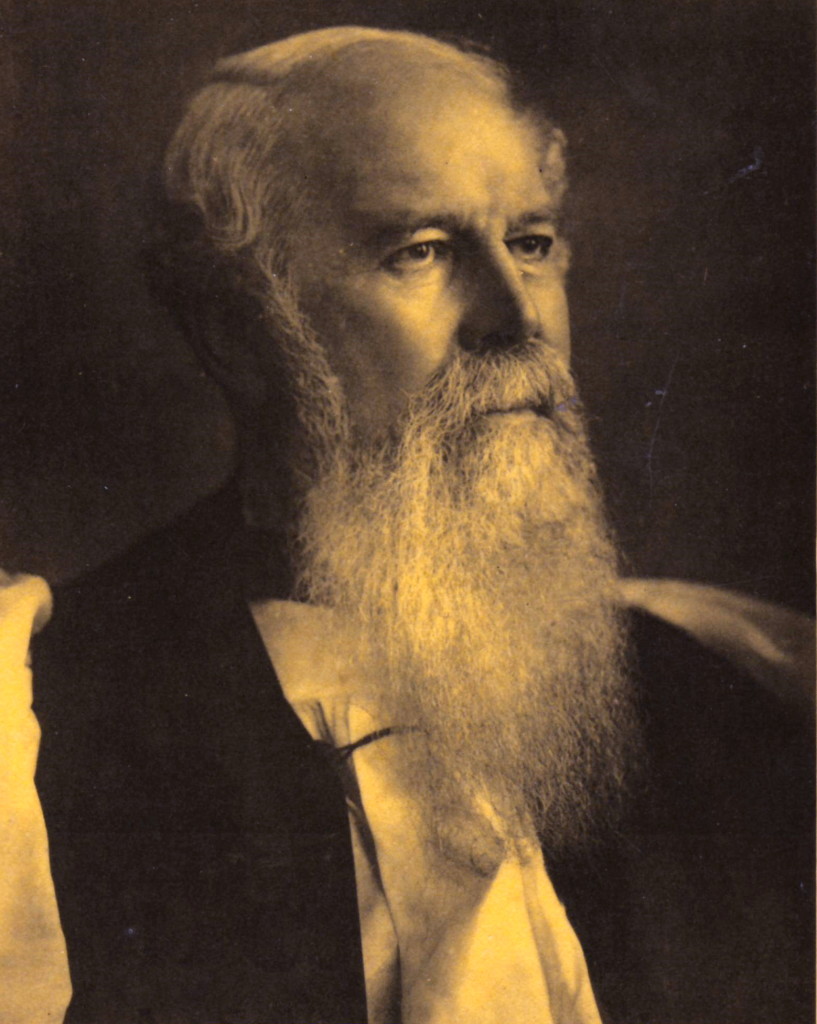
J. C. Ryle’s sermon on John 19:28-37 focuses on the fulfillment of Old Testament prophecies in the events surrounding Christ's crucifixion. Ryle elucidates three specific prophecies fulfilled during this event: the thirst of Jesus (Psalm 69:21), the absence of broken bones (Exodus 12:46), and the piercing of His side (Zechariah 12:10). He argues that these fulfillments serve as evidence of the divine inspiration of Scripture and underscore the predestined nature of Christ’s death. Ryle emphasizes the significance of the phrase “It is finished,” which encapsulates the completion of Christ’s redemptive work, underscoring that salvation is rooted not in human efforts but in the finished work of Christ alone. This understanding provides believers with assurance of their redemption, highlighting the accomplished nature of Christ's atonement and the reality of His death, which cemented the foundation of Christian faith.
Key Quotes
“The death of our Lord Jesus Christ at Golgotha was a thing foreseen and predetermined by God.”
“We rest our souls on a finished work if we rest them on the work of Jesus Christ the Lord.”
“Without a real death there could be no real sacrifice, that without a real death there could be no real resurrection.”
“He that hath the Son hath life, and he that hath not the Son of God hath not life.”
Christ's death is significant as it fulfills prophecy, brings about our redemption, and validates the authority of Scripture.
The death of Christ holds immense significance, as it is not only an historical event but also the fulfillment of numerous prophecies found throughout the Old Testament. As J.C. Ryle highlights in his sermon on John 19:28-37, the crucifixion was orchestrated by divine providence, as all details were scripted by God long before they occurred. The specific predictions regarding Christ's death, such as not having any bones broken and the piercing of His side, serve to affirm the divine inspiration and authority of Scripture. In this way, His death becomes the cornerstone of faith, demonstrating God's predetermined plan for salvation through Christ as the ultimate sacrifice.
John 19:36-37, Zechariah 12:10
Christ's death is confirmed by the executioner's actions and the fulfillment of prophecy, assuring us of His true sacrifice.
The reality of Christ's death is substantiated through multiple evidences detailed in the New Testament. J.C. Ryle emphasized that the Roman soldiers, seasoned executioners, confirmed His death by refraining from breaking His legs, indicating they recognized He was already deceased. Furthermore, the piercing of Christ's side by a soldier provided further verification as blood and water flowed out, a phenomenon that suggests a deep rupture. The fulfillment of prophecy surrounding these events serves as both spiritual and historical validation that reinforces the belief that Jesus's death was not a mere accident but a significant, planned sacrifice for sin, fully meeting the requirements of the law.
John 19:32-34, Romans 8:34
Christ's declaration 'It is finished' signifies the completion of His work of redemption, fulfilling all that was required for salvation.
'It is finished' is a pivotal phrase uttered by Jesus prior to His death, indicating that the work of redemption has been fully accomplished. J.C. Ryle explains that this declaration encapsulates the fulfillment of the law, the prophecies, and the sacrifices that were necessary for atonement. It reveals that Christ has borne the sins of humanity and satisfied divine justice. This assurance is fundamental for believers, as it means that the debt owed for sin has been fully paid, allowing sinners to find peace and rest in the completed work of Jesus for their salvation. His death marks not the end but a new beginning for those who put their faith in Him.
John 19:30, Romans 8:1, Colossians 2:10
The piercing of Jesus' side fulfills prophecy and symbolizes the outpouring of grace and redemption for sinners.
The piercing of Christ's side is rich in theological meaning, as it is both a fulfillment of Old Testament prophecy and a symbolic act that represents the grace available to all through His sacrifice. In the sermon, Ryle notes that this event corresponds to Zechariah's prophecy of a fountain opened for sin and uncleanness (Zechariah 13:1). The flow of blood and water signifies not only Christ's sacrificial death but also the new covenant established in His blood, offering atonement and cleansing for sinners. This act assures believers that through Christ's death, they can confidently come to Him for forgiveness and spiritual renewal.
John 19:34, Zechariah 13:1, 1 John 5:6

Comments
Your comment has been submitted and is awaiting moderation. Once approved, it will appear on this page.
Be the first to comment!