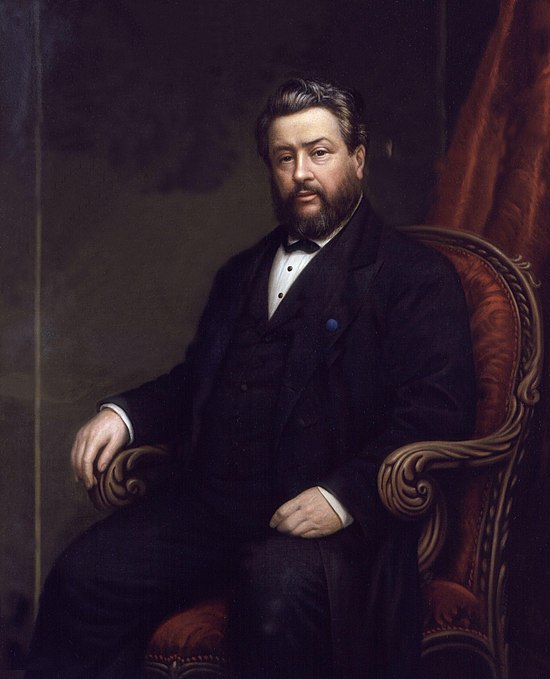
C. H. Spurgeon's sermon, "The King in His Beauty," primarily addresses the majesty and mediatorial kingship of Jesus Christ, grounded in Isaiah 33:17 and Romans 8. Spurgeon draws a parallel between the earthly king Hezekiah, who initially wore mourning garments due to the Assyrian threat, and the exalted Christ, who, after His suffering, now reigns in glory. The preacher emphasizes that Christ’s right to reign is rooted in His divine nature, creatorship, and redemptive work, affirming that He is both King by right divine and by conquest over sin and death. Key Scripture references reinforce the idea of His ultimate victory and present beauty, supporting the practical significance of recognizing his authority in both spiritual legislation and everyday life for believers. The culmination of Spurgeon's argument is that understanding and seeing Christ in His beauty enriches believers' lives and deepens their relationship with Him.
Key Quotes
“We have a nobler king than Hezekiah. He is the King of Kings and Lord of Lords.”
“He has taken and carried by storm the hearts of His people and has slain their enemies, who held them in cruel bondage.”
“He who is God over all, blessed forever, shall yet be worshipped by every knee, while every tongue shall confess that He is Lord.”
“If Christ be King, we both receive laws from Him, and the force which makes the law its dominion over our consciences.”
Isaiah 33:17 promises that believers will see the King in His beauty and the fullness of His glory.
Isaiah 33:17 states, 'Thine eyes shall see the King in His beauty; they shall behold the land that is very far off.' This verse emphasizes the hope and expectation of seeing Christ, not just in His earthly appearance, but in His exalted state after His victory over sin, death, and hell. For Christians, seeing the King in His beauty is a profound experience of recognizing His glorious sovereignty, righteousness, and love, which He displays as our Savior. This sight of Christ's beauty offers comfort to the believer, reminding us that though we face trials and challenges, we are ultimately bound for the glorified presence of our King.
Isaiah 33:17, Romans 8
Jesus is affirmed as King through His divine nature, creation, preservation, and conquest over sin.
We affirm Jesus as King based on His divine nature as the Son of God and Creator of the universe. He holds the authority to reign because all things were made through Him and by Him all things consist. Jesus not only governs as a divine being but also as our mediator who has conquered sin and death, establishing His kingship through His sacrificial victory on the cross. He is the true Lord, appointed by God to rule over all creation, and our acknowledgment of His kingship is a response to His sovereign rule in our lives as believers, making it a fitting recognition of His lordship over all aspects of life.
Romans 8, Ephesians 1:4-5
It provides believers with comfort, hope, and a clearer understanding of God's promises.
Seeing the King in His beauty is crucial for Christians as it deepens our faith and trust in God's promises. When we envision Christ exalted in His glory, it reassures us of His sovereignty amidst our struggles. This vision not only fosters worship and awe but also inspires us to live in the light of His grace, recognizing the tremendous sacrifice He made for us. Furthermore, it reassures us of the eternal life and joy that awaits us, encouraging believers to eagerly anticipate the day we will be united with Him in His perfect beauty, free from sin and sorrow.
Isaiah 33:17, Hebrews 12:2
We see the King through faith, scripture, and contemplative meditation on His attributes.
To see the King in His beauty today, believers must engage with scripture, allowing the Holy Spirit to open our eyes to the truths within. Meditation on His attributes—His love, holiness, and majesty—allows us to behold His beauty. As we contemplate our Savior and His work, especially in prayer and worship, we deepen our understanding and appreciation of Christ. Additionally, moments of personal reflection, where we acknowledge His grace in our lives, heighten our ability to see Him. Our yearning to experience His presence propels us to seek Him continually, thus enriching our relationship with our King.
Hebrews 12:2, Colossians 3:1-2
It means submitting to His authority as our spiritual lawgiver and leader within the body of believers.
Acknowledging Christ as King in the church is fundamental to Reformed theology, as it affirms His authority over all spiritual matters. This acknowledgment means that believers recognize Christ as the head of the church, from whom all spiritual laws and teachings flow. It requires a rejection of human authority when it conflicts with Christ's teachings, understanding that He alone holds the power to govern His church. This shapes how we practice our faith—our worship, sacraments, and community life must align with His directives found in scripture, fostering genuine obedience and loyalty to our King.
Ephesians 1:22-23, Colossians 1:18

Comments
Your comment has been submitted and is awaiting moderation. Once approved, it will appear on this page.
Be the first to comment!