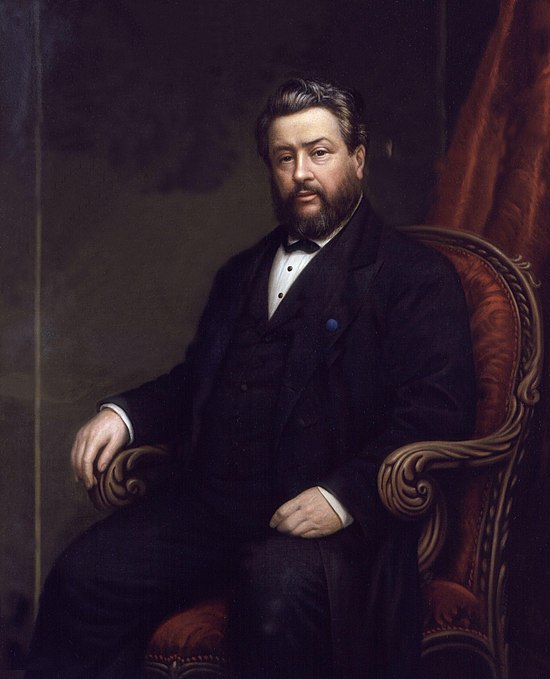
Order and Argument in Prayer!
Job 23:3-4; Romans 8
C. H. Spurgeon’s sermon, “Order and Argument in Prayer,” centers on the theological significance of structuring one’s prayers thoughtfully and articulating them with reasons influenced by Scripture. Spurgeon emphasizes the example of Job in Job 23:3-4, where Job seeks to find God to plead his case before Him, demonstrating that true prayer requires both preparation and clear arguments. Spurgeon argues against the casual approach many take toward prayer, urging that it should be approached with reverence and intention, reflecting the solemnity of speaking to God Almighty. He illustrates the necessity of both ordering one's thoughts and filling one's mouth with compelling reasons during prayer, whereby believers can rightly understand their dependence on God and the grace afforded through Christ’s intercession as referenced in Romans 8. The practical significance of the sermon lies in the call for believers to engage deeply in prayer, using it as a means of fostering a close relationship with God, and acknowledging the immense power of pleading God’s attributes, promises, and the sacrifice of Christ in their supplications.
“Nothing teaches us so much the preciousness of the Creator as when we learn the emptiness of all besides.”
“Our spiritual sacrifices should be offered with holy carefulness. God forbid that our prayers should be a mere leaping out of one's bed and kneeling down and saying anything that comes first to hand.”
“The use of arguments is intended to stir up our fervency.”
“When we come to the gate of mercy, forcible arguments are the knocks of the wrapper by which the gate is opened.”
The Bible emphasizes the importance of ordering our cause and filling our mouth with arguments in prayer, reflecting a deep relationship with God.
Job 23:3-4
God hears our prayers because they are rooted in sincere faith and our earnest pleading based on His promises and attributes.
Isaiah 43:26, Job 23:4
The order of prayer is essential as it reflects our reverence for God and the seriousness with which we approach Him in our supplications.
Psalm 5:3, 1 Timothy 2:8
Auto-generated transcript • May contain errors

Comments
Your comment has been submitted and is awaiting moderation. Once approved, it will appear on this page.
Be the first to comment!