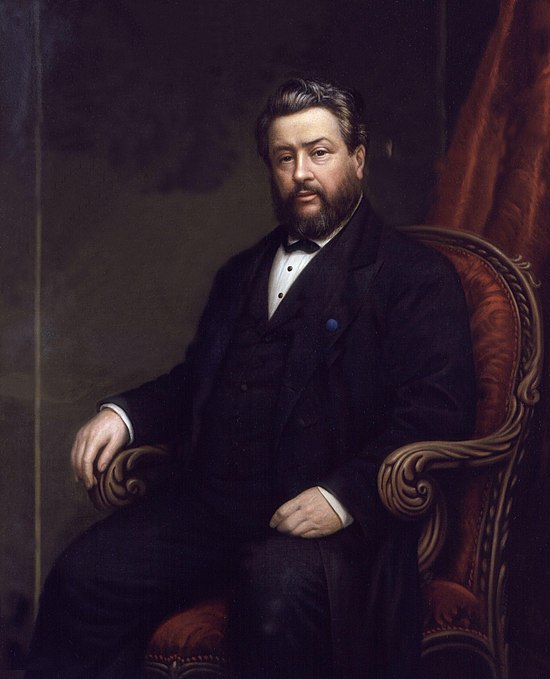
The sermon titled "The Still Small Voice" by C. H. Spurgeon addresses the doctrine of divine communication and the unique ways in which God reveals Himself to His people. Spurgeon draws attention to the narrative of Elijah in 1 Kings 19:12-13, emphasizing how God was not in the grand displays of power like wind, earthquake, or fire, but rather in the still, small voice that eventually called Elijah. This sermon highlights that though Elijah's initial expectations of revival among his people seemed unfulfilled, God's gentle approach ultimately leads to true heart transformation. Spurgeon argues that relying on sensationalism in ministry often leads to hardened hearts, whereas the gentleness of the Holy Spirit’s voice is the effective means of conversion and restoration, both for the believer and the unconverted. The practical application stresses that believers should cultivate stillness to hear God's voice and rely on the inward work of the Spirit for true spiritual vitality.
“That which conquers Elijah's brave heart was not whirlwind, was not earthquake, was not fire. It was the still, small voice.”
“God does not always use the means which we suppose he will use... for as the heavens are high above the earth, so are His thoughts above our thoughts.”
“The voice which is not heard without is omnipotent within.”
“Love is the chariot of omnipotence when it comes into the world of mind.”
The Bible emphasizes that God often communicates through a still small voice, rather than through loud displays of power.
1 Kings 19:12-13
God's support is affirmed through His actions, as demonstrated by His care for Elijah during his moments of despair.
1 Kings 19:5-8
The still small voice is essential as it embodies God's gentle guidance and intimate relationship with believers.
1 Kings 19:12
Auto-generated transcript • May contain errors

Comments
Your comment has been submitted and is awaiting moderation. Once approved, it will appear on this page.
Be the first to comment!