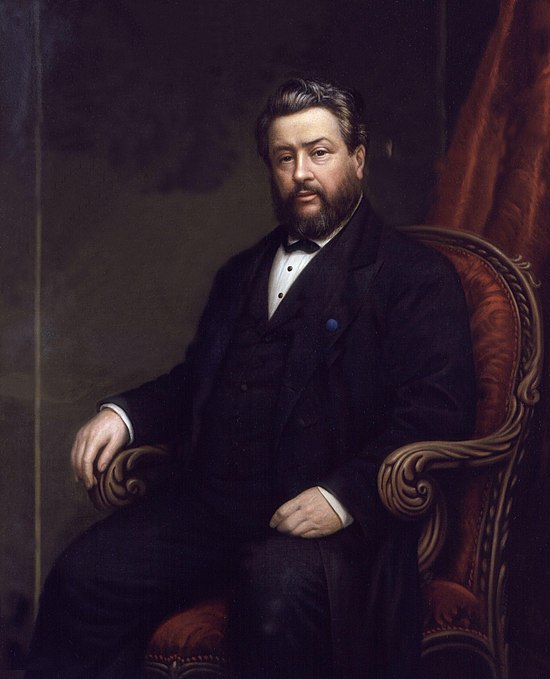
The sermon titled "More and More!" by C. H. Spurgeon centers on the doctrine of praise and gratitude to God, emphasizing the believer's continuous responsibility to offer increasing praise as their hope in God grows. Spurgeon argues that a vibrant hope, rooted in the promises of God, naturally compels believers to express their gratitude and worship more fervently. He references Psalm 71:14—“But I will hope continually, and will yet praise thee more and more”—as a foundation for his message, illustrating how David's lifelong commitment to praise persists despite life's adversities. The sermon also underscores the importance of reflecting on God's mercies, both temporal and spiritual, thus highlighting that as believers grow in understanding and relationship with God, their praise should also deepen proportionately. The practical significance lies in the call for believers to engage actively in worship and to recognize the urgent nature of praising God amidst increasing secular challenges to His glory.
“Because our hopes grow brighter and are every day nearer and nearer to their fulfillment, therefore the volume of our praise increases.”
“The happiest moments I have ever spent have been occupied with the worship of God.”
“The Lord gave and the Lord hath taken away. Blessed be the name of the Lord. I will yet praise thee more and more.”
“If you are not praising God more and more, I am afraid of one thing, and that is that you are probably praising Him less and less.”
The Bible encourages believers to continually praise God, as seen in Psalm 71:14, which emphasizes unwavering hope and increasing gratitude.
Psalm 71:14
God deserves our praise because of His mercies, faithfulness, and the transformative work He does in our lives, which we are called to recognize and proclaim.
Hope is crucial for Christians because it fuels faith and enables unwavering praise even through difficulties.
We can improve our praise by integrating worship into our daily actions and maintaining a conscious effort to glorify God at all times.
Auto-generated transcript • May contain errors

Comments
Your comment has been submitted and is awaiting moderation. Once approved, it will appear on this page.
Be the first to comment!