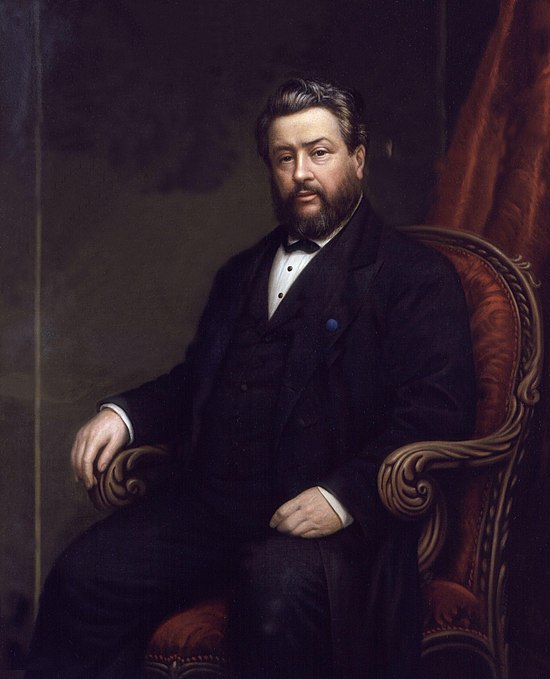
C. H. Spurgeon's sermon "The Minstrel!" explores the necessity of spiritual preparedness for prophetic ministry, notably emphasizing how the calming influence of music can aid in achieving a suitable state for receiving the Holy Spirit. Spurgeon discusses the biblical account of Elisha in 2 Kings 3:15, illustrating that even a prophet required external means, such as music, to quiet his spirit and invite divine inspiration. He also draws on Romans 8 to affirm the significance of the Holy Spirit’s ministry, illustrating that discipleship must often be accompanied by practical means—like music, prayer, and Scripture reading—to foster a conducive environment for God's use. The sermon serves as a doctrinal reminder that God’s servants must seek both natural and supernatural means to maintain their spiritual readiness, reinforcing the importance of preparation in the life of a believer.
Key Quotes
“We can never open our mouths in wisdom except we are under the divine touch.”
“The unruffled lake reflects the skies, but if it be tossed with tempest, even the purest water becomes a broken mirror.”
“If you and I are out of order, we must do our best to get right.”
“The joy of the Lord is our strength, and when we lose it, our hands are feeble.”
The Bible illustrates the importance of music in worship, demonstrating how it can prepare hearts for divine communication, as seen in 2 Kings 3:15.
Music has long been a vital component of worship, deeply embedded in the life of the church as a means to express faith and prepare individuals for encountering God. In 2 Kings 3:15, the prophet Elisha called for a minstrel to play music, and it was through this act that the hand of the Lord came upon him. This illustrates how music serves to quiet our spirits and enable us to receive the divine messages. The sweet sounds of worship can cultivate a serene atmosphere where God’s presence is felt and His Spirit can work within us, guiding us in our service and devotion.
2 Kings 3:15
The Holy Spirit's assistance in worship is evidenced by our need for His influence to guide and inspire us, as highlighted in Romans 8 and 2 Kings 3:15.
The fact that we need the Holy Spirit's help during worship is not just a theory but an essential truth rooted in Scripture. In Romans 8, we see the Spirit interceding for us with groanings that cannot be uttered, emphasizing His integral role in connecting our hearts to God. Elisha’s example highlights this—it was not until the minstrel played, calming his mind, that he felt ready to hear from God. This indicates that without the Holy Spirit's stirring, our worship can become mere formality. When we call upon Him, He brings clarity and focus, inspiring our hearts to worship in Spirit and truth as we are transformed and moved by Him.
Romans 8, 2 Kings 3:15
A calm heart is essential for Christians as it allows us to hear God's voice and receive His guidance, demonstrated by Elisha's need for tranquility in 2 Kings 3:15.
The state of our hearts profoundly impacts our spiritual lives. In tumultuous times, when distractions abound, maintaining a calm heart is critical. Elisha recognized this when he requested a minstrel to play music, which quieted his inner turmoil and prepared him for the Spirit's communication. A calm heart helps us to be more receptive to God's direction, as it removes the hindrances that can block our connection with Him. As believers, when we feel agitated or distressed, turning to practices that calm our hearts—such as music, prayer, or reading Scripture—can facilitate a space where God’s hand can work effectively in our lives.
2 Kings 3:15
Music serves as a powerful tool for spiritual preparation by calming our spirits and allowing us to focus on God, as illustrated in Spurgeon’s sermon using Elisha's example.
Spurgeon’s message emphasizes that music affects our hearts and minds, particularly in the context of preparing for worship. Just as Elisha called for a minstrel to soothe his troubled spirit, we too can use music to help align our hearts with God’s purpose. Music can serve as a means to set the atmosphere for worship, cut through our distractions, and foster a readiness to engage with God. Additionally, singing hymns and spiritual songs can encourage and uplift us, helping us to reflect on divine truths and meditations that nourish our faith. In essence, when music intertwines with our worship, it can lead us effectively into a deeper experience of God’s presence.
2 Kings 3:15
Comments
Your comment has been submitted and is awaiting moderation. Once approved, it will appear on this page.
Be the first to comment!
