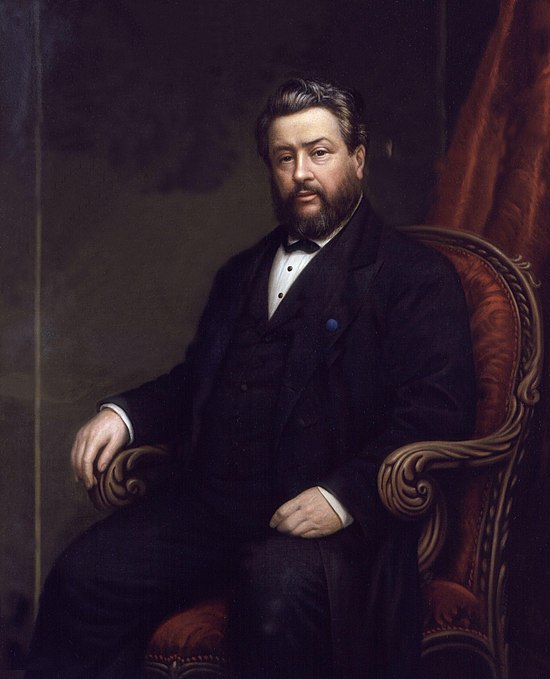
The sermon by C. H. Spurgeon focuses on the crucial role of the Holy Spirit in the ministry of Gospel ministers. Spurgeon argues that the effectiveness and authenticity of ministry hinge on the active presence of the Holy Spirit, who empowers preachers with knowledge, wisdom, and the capacity to proclaim the truth of Christ. He references John 14 and John 16 to affirm that the Spirit guides believers into all truth and leads them to understand and proclaim the teachings of Jesus. The significance of this message lies in its affirmation of the Reformed doctrine of the necessity of the Holy Spirit for effective ministry, highlighting the dangers of neglecting His influence and the spiritual consequences that may follow.
Key Quotes
“Our hope of success and our strength for continuing the service lie in our belief that the Spirit of the Lord resteth upon us.”
“If we think to succeed without the Spirit, we are not after the Pentecostal order.”
“If we are not instructed, how can we instruct? If we have not thought, how shall we lead others to think?”
“We come to actual fighting. Our object is to drive the sword of the Spirit through men's hearts.”
The Holy Spirit equips and empowers ministers, guiding them into all truth and providing necessary wisdom for effective preaching.
The Bible emphasizes the essential role of the Holy Spirit in the ministry of the Gospel. The Holy Spirit is known as the Spirit of knowledge, who guides ministers into all truth (John 16:13). This means that the effectiveness of ministry is intimately tied to the work of the Holy Spirit in the hearts of ministers, allowing them to communicate the Gospel accurately and powerfully. Without the Spirit, preaching is merely a human endeavor lacking divine empowerment.
Moreover, the Holy Spirit gives wisdom in how to divide the Word of God rightly, ensuring that the Gospel is presented in its fullness without distorting any portion of it (2 Timothy 2:15). Ministers must depend on the Holy Spirit to not only share knowledge but also to interpret and apply the Gospel appropriately, ensuring that they lead their congregations into a deeper understanding of God's truth and grace.
Believers experience the presence and work of the Holy Spirit within their hearts, confirming His existence through personal encounter and transformation.
The existence of the Holy Spirit is affirmed by the conscious experience of believers. Those who have been spiritually quickened can attest to the transforming work of the Holy Spirit in their lives (Romans 8:9-11). Just as one recognizes the presence of friends through their actions, believers know the Holy Spirit exists by experiencing His influence in their hearts, offering comfort, guidance, and conviction.
The ability to perceive spiritual truths and the ongoing work of sanctification in a believer's life are also evidence of the Holy Spirit's active presence. When ministers or believers declare the workings of God in their lives—such as joy amidst trials or insights into Scripture—they are expressing the reality of the Holy Spirit's existence as He enables them to see and experience spiritual realities more clearly (1 Corinthians 2:12-14).
Reliance on the Holy Spirit is crucial for spiritual growth, effective ministry, and maintaining a Christ-centered life.
Reliance on the Holy Spirit is fundamental for Christians because He is the active agent of sanctification and ministry. The Holy Spirit empowers believers to fulfill their calling and to live righteous lives that reflect Christ to the world (Galatians 5:16). Without the Spirit's guidance, Christians risk walking in their own strength, leading to failure and disobedience.
Furthermore, the Spirit provides wisdom and discernment essential for understanding God's Word and applying it to everyday life. Effective ministry hinges on this reliance, as the Holy Spirit is the one who brings conviction and transformation in the hearts of the listeners during preaching (John 16:8). In all respects, a vibrant reliance on the Holy Spirit is necessary for spiritual vitality, sound teaching, and the advancement of God's kingdom.
Ministers can lose the assistance of the Holy Spirit through disobedience, pride, or neglecting the spiritual disciplines.
According to biblical teaching, ministers can lose the assistance of the Holy Spirit due to several factors, including disobedience and pride. Just as King Saul experienced the departure of the Spirit due to his rebellion, modern ministers can also find themselves devoid of the Spirit's influence if they do not heed God's commands (1 Samuel 16:14). This highlights the need for constant vigilance and humility among ministers, recognizing their dependence on divine assistance.
Furthermore, neglecting personal spiritual disciplines such as prayer and study of the Scriptures can lead to a gradual loss of the Spirit's effectiveness in one's ministry (Ephesians 4:30). The Holy Spirit works best in environments where He is welcomed and respected, and when ministers become apathetic or self-reliant, they may find themselves working without His necessary power. Hence, there is an urgent need for ministers to maintain an active, sensitive relationship with the Holy Spirit to avoid grieiving Him.
Comments
Your comment has been submitted and is awaiting moderation. Once approved, it will appear on this page.
Be the first to comment!
