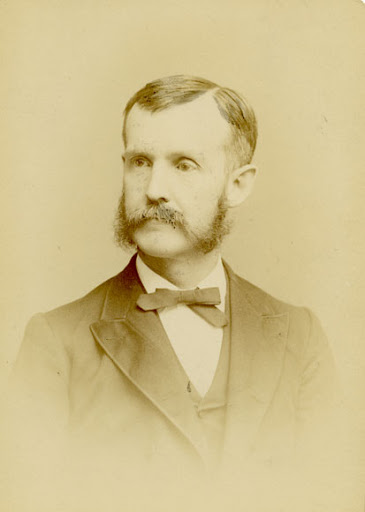
The sermon titled "Life's Double Ministry" by J. R. Miller explores the dual influence of a person's life: the intentional and the unconscious. Miller argues that while individuals often focus on their tangible accomplishments—such as wealth, buildings, and public undertakings—the more profound impact lies in the unintentional influence they exert through their character and daily interactions. He references 2 Timothy 3:16 and Psalm 19:7-11 to highlight the significance of God’s Word in shaping this unconscious ministry, emphasizing that spiritual goodness is a reflection of Christ's indwelling. The practical significance of this message underscores that a godly life, marked by love and goodness, can produce far-reaching spiritual effects, often unnoticed. Ultimately, Miller calls believers to seek the presence of the Holy Spirit, recognizing that their everyday actions contribute to a larger, divine ministry.
“Every true Christian is, in a sense, a new incarnation. The Apostle Paul said, Christ lives in me.”
“It is not so much what we do in this world as what we are that counts in spiritual results and impressions.”
“The lessons which parents teach their children are not one thousandth part so important as the life they live before them, day after day.”
“Part of our every morning prayer should be that God would use our influence for himself and take the smallest fragments of power for good that drop from our lives and employ them all for his glory... ”
The Bible highlights the importance of personal influence in shaping lives, as seen in passages like 2 Timothy 3:16 and Psalm 19:7-11.
2 Timothy 3:16, Psalm 19:7-11
Unconscious ministry reflects the subtle yet powerful influence of a believer's life on others, highlighting that what we are can make a spiritual impact.
Galatians 2:20
Living a godly life is essential for Christians as it serves as a powerful witness and can impact others more than words alone.
Matthew 5:13-16
Auto-generated transcript • May contain errors

Comments
Your comment has been submitted and is awaiting moderation. Once approved, it will appear on this page.
Be the first to comment!