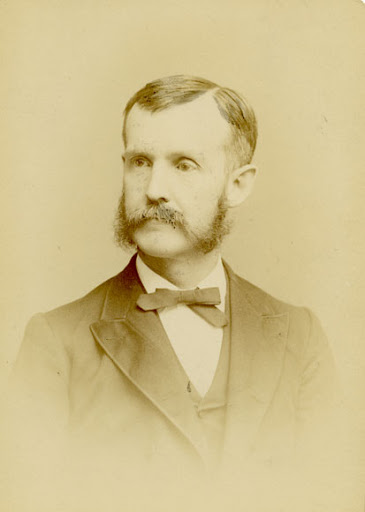
The sermon titled "The Ministry of Well-Wishing" addresses the importance of expressing genuine goodwill towards others, highlighting that every believer possesses a natural inclination to wish well for their neighbors. J. R. Miller argues that despite the inclination to harbor good intentions, many fail to verbalize them, thereby withholding the encouragement and strength that could uplift those around them in moments of struggle. Scripture references such as 2 Timothy 3:16 and Psalm 19:7-11 underpin his points by emphasizing the transformative power of God's Word and the necessity for internal character growth. The practical significance of the sermon is the call for Christians to actively express love through words of affirmation, which not only cultivates community but also reflects the heart of God in relationships with others.
“It is not the lack of love that is our fault, but the stinginess which locks up the love and will not give it out to bless others.”
“We must get our rainbows down out of the skies and into our hearts.”
“A heart at peace fills our world with peace.”
“If we would realize the wishes of our friends for joy, we must be sure to get the love of Christ into our hearts.”
The Bible encourages us to express love and goodwill, emphasizing that our hearts should be filled with kindness towards others.
2 Timothy 3:16, Psalm 19:7-11
Prayer is a means through which our good wishes can become blessings when they are offered to God.
2 Timothy 3:16, Psalm 19:7-11
Expressing good wishes encourages community and uplifts those around us, as love is central to the Christian faith.
2 Timothy 3:16, Psalm 19:7-11
Auto-generated transcript • May contain errors

Comments
Your comment has been submitted and is awaiting moderation. Once approved, it will appear on this page.
Be the first to comment!