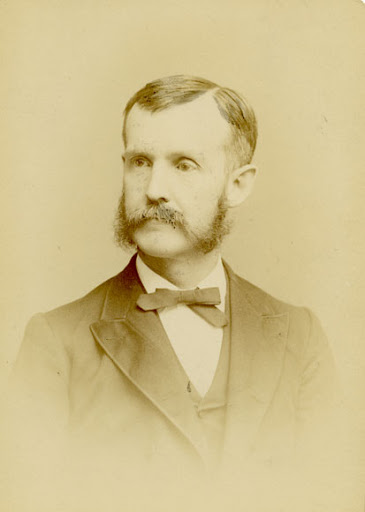
In J. R. Miller's sermon "Helping Without Money," the main theological topic addressed is the essence of true benevolence and the importance of offering support beyond financial means. Miller argues that while monetary aid is necessary at times, the more significant assistance arises from personal encouragement, hope, and strength that one can provide to those in need. He draws on examples from Scripture, particularly referencing Acts 3:6, where Peter heals a lame man without monetary contribution, implying that spiritual gifts and personal engagement are often more valuable than material support. The sermon highlights the practical significance of relationships and the Christian call to uplift others, suggesting that believers can contribute positively to the community through supportive actions, fostering resilience and courage in the face of life’s challenges rather than simply alleviating difficulties.
“If we can put new life and hope into the heart of a discouraged man... we have done a far better thing for him than if we put our hands into our pockets and given him money.”
“The truest sympathy is not that weak emotion which only sits down and weeps with the sufferer... but that wiser love which seeks to put new strength into his heart.”
“There is never an end of opportunities for such personal helpfulness as this.”
“Certainly we should give ourselves with whatever else we may give. The gift without the giver is unacceptable.”
The Bible emphasizes that true help often involves giving strength, courage, and hope rather than just money.
2 Timothy 3:16-17, Acts 3:6
Doing good without money is valuable as it fosters personal growth and resilience in others.
James 1:2-4
Encouragement builds strength and hope in others, aligning with the Christian call to love one another.
1 Thessalonians 5:11
Auto-generated transcript • May contain errors

Comments
Your comment has been submitted and is awaiting moderation. Once approved, it will appear on this page.
Be the first to comment!