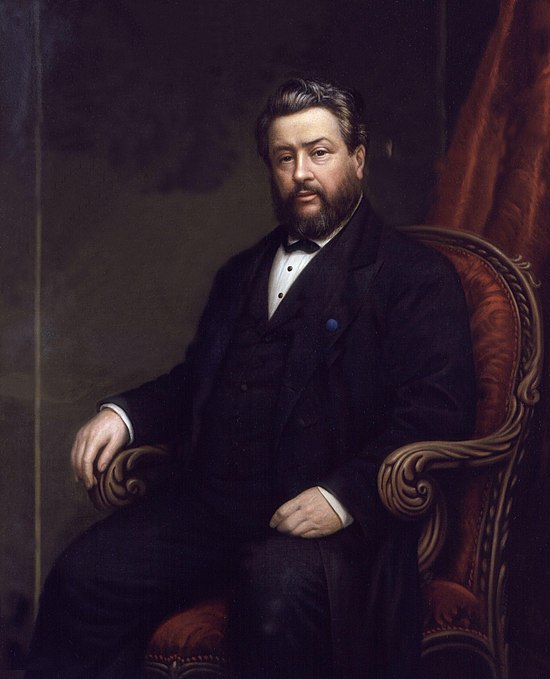
C. H. Spurgeon's sermon "Effectual Calling" addresses the theological doctrine of effectual calling, emphasizing how God’s grace personally and powerfully draws individuals to Himself through the Holy Spirit. Using the story of Zacchaeus in Luke 19:5 as a central illustration, he argues that God calls people irrespective of their social status or past sins, highlighting that grace knows no bounds. Key Scripture references include Romans 8:28-32, which support the idea that those whom God calls, He justifies and glorifies. The sermon underscores the practical significance of recognizing God's specific and personal call, urging sinners to respond swiftly and humbly to the invitation of Christ, thus highlighting the necessity and transformative power of this divine calling in the believer's life.
Key Quotes
“Effectual grace call you, it is an effectual call which knoweth no distinction of place.”
“Tomorrow, it is Satan's calendar and nowhere else.”
“I must abide in thy house, and I will.”
“If God hath called thee this morning, down will go that drunken cup, up will go thy prayers.”
Effectual calling is the divine call to salvation that leads the elect to embrace Christ, as illustrated in the story of Zacchaeus.
The Bible presents effectual calling as a powerful act of God, where He calls His chosen ones to salvation. In Romans 8:30, Paul writes, 'And those whom He predestined, He also called, and those whom He called, He also justified.' This highlights that effectual calling is not merely an invitation; it is a summons that results in the person's eventual justification and acceptance in Christ. The story of Zacchaeus serves as a vivid illustration of this doctrine, demonstrating how Christ called him down from the sycamore tree, transforming him from a sinner to a follower through His personal and effective grace.
Jesus' call to Zacchaeus was marked by urgency and necessity. When Jesus said, 'Zacchaeus, make haste, and come down; for today I must abide at your house' (Luke 19:5), it underscores the relational aspect of this calling—Christ desires to dwell with the sinner. The effectual call is not merely an external invitation; it is God's powerful work in the heart of an individual, compelling them to respond in faith and repentance, producing a real transformation exemplified by Zacchaeus’s immediate actions of restitution and joy.
Romans 8:30, Luke 19:5
The truth of effectual calling is evidenced through Scripture and personal transformation in the lives of believers.
The doctrine of effectual calling finds its truth and support in the Scriptures, particularly in passages like Romans 8:29-30, where Paul elaborates on God's unbreakable chain of salvation—from foreknowledge to glorification. This chain asserts that those whom God foreknew, He also calls effectively, justifying and glorifying them. Consequently, the efficacy of the call is demonstrated not just in theological terms but in the lived experiences of those who are genuinely converted.
Personal testimonies of transformation further validate the truth of effectual calling. When individuals recount feeling an unmistakable, personal invitation by God that led them to faith, it provides experiential proof of this theological principle. As seen in the narrative of Zacchaeus, the calling was not just to a collective group; it was deeply personal, resulting in immediate change, repentance, and faith. Thus, the truth of effectual calling manifests both in authoritative Scripture and in the tangible changes in believers' lives—demonstrating God’s sovereignty and grace in action.
Romans 8:29-30, Luke 19:5
Effectual calling is essential for Christians as it assures them of God's sovereign grace and guarantees their salvation.
For Christians, understanding effectual calling is crucial as it underscores the sovereignty of God in the salvation process. Effectual calling affirms that it is God who initiates and completes the work of redemption in the lives of His chosen ones. It is not dependent on human will or effort, but on God's grace, which leads to eternal life and relationship with Him.
Moreover, effectual calling provides believers with great comfort and assurance. Knowing that one has been called personally by Christ, as seen in Zacchaeus' encounter, establishes a firm foundation of faith. It is a reminder that salvation is not a mere possibility, but a certain reality for those whom God has chosen. This truth encourages Christians to rest assured in their salvation, live out their faith confidently, and share the Gospel with others, as they understand that it is God's powerful grace that draws sinners to Himself. Ultimately, effectual calling enhances the believer’s appreciation of the grace of God and their gratitude for His unmerited favor.
Romans 8:30, Luke 19:5
Comments
Your comment has been submitted and is awaiting moderation. Once approved, it will appear on this page.
Be the first to comment!
