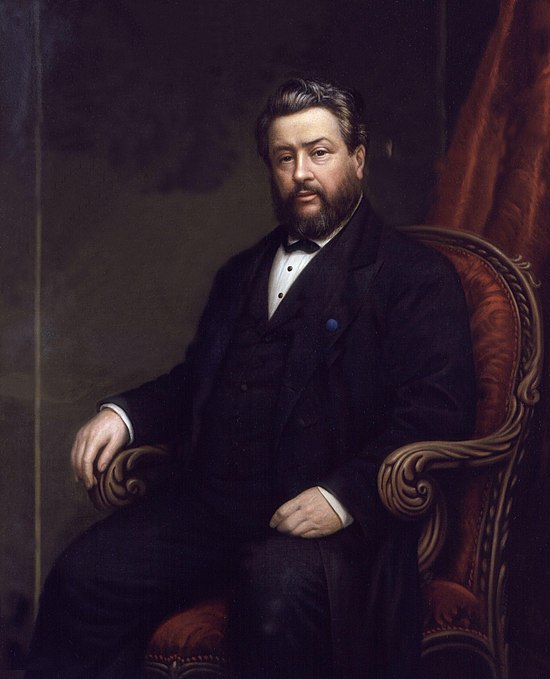
Charles Spurgeon's sermon "Meditations on the Easter Story" centers on the significance of the resurrection of Christ, emphasizing both the theological and practical implications for believers. Spurgeon highlights that the resurrection is foundational to Christian faith, establishing Christ as Lord and pivotal in the believer's justification, regeneration, and ultimate hope of eternal life (1 Corinthians 15:20). The author adeptly draws from various Scripture passages, including Mark 16:1-15 and Matthew 28:1-8, to illustrate how the resurrection affirms Christ's divinity, sovereignty, and the victory over sin and death. The sermon underscores the necessity of Christ's resurrection in every aspect of salvation, reinforcing the message that without it, faith is in vain. This doctrine holds immense significance, as it assures believers of their own resurrection and reinforces the hope found in their union with Christ.
Key Quotes
“The whole system of Christianity rests upon the fact that Christ is risen from the dead. For if Christ be not risen, then is our preaching vain, and your faith is also vain.”
“The divinity of Christ finds its surest proof in his resurrection, since he was declared to be the Son of God with power according to the spirit of holiness by the resurrection from the dead.”
“If Christ be not risen, then shall we not rise; but if he be risen, then they who are asleep in Christ have not perished but in their flesh shall surely behold their God.”
“How important, then, will this glorious fact be in his estimation? And how will he rejoice that beyond the doubt it is established that now is Christ risen from the dead?”
The Bible emphasizes the significance of solitary, humble, and persevering prayer, particularly in times of trial.
In Matthew 26:39, Jesus exemplifies the necessity of private prayer during times of distress, demonstrating a need for both intimacy with God and a recognition of our vulnerability. The Savior withdrew to pray alone, indicating that personal communication with God is essential. Additionally, the humility in prayer is vital; Jesus fell on His face, reminding us that recognizing our lowly position before God fosters a sincere connection. We are encouraged to persist in prayer, like the importunate widow, not ceasing until we receive an answer from God. This shows that persistent, humble prayer is powerful and pleasing in God’s sight, especially when we surrender our will to His, as indicated by Jesus' resignation in the Garden of Gethsemane.
Matthew 26:39, Luke 22:44
Jesus' sufferings were voluntary; He willingly endured agony for the redemption of humanity.
The evidence of Jesus' voluntary sufferings is vividly illustrated in His Passion. As illustrated in the sermon, Jesus, under immense mental and physical strain, experiences a profound agony that causes Him to sweat drops of blood. This reaction demonstrates the weight of sin He bore for humanity. Furthermore, the metaphor of the gum tree which yields sweet spices without cuts emphasizes the voluntariness of Christ's sufferings—His sacrificial love flowed freely, without coercion. He chose to bear our sins, showing His fundamental love for mankind. This voluntary offering not only highlights His commitment to fulfill the Father’s will but also underscores the depth of His love and sacrifice for us.
Luke 22:44, Isaiah 53:5
The resurrection of Christ is pivotal for Christians as it assures their justification and hope for eternal life.
The resurrection of Christ stands as the cornerstone of Christian faith, with 1 Corinthians 15:20 declaring it essential for our justification. Without it, the entirety of Christian preaching would be in vain, and believers would remain in their sins. The resurrection not only validates Jesus' divinity but also His sovereignty over all creation. Because He triumphantly overcame death, believers are assured that they, too, will be raised to eternal life. This pivotal event links our regeneration and future resurrection, granting us a lively hope and securing our place in God’s redemptive plan. Therefore, the resurrection is not merely a historical event but a transformative experience that assures believers of their salvation and eternal hope.
Romans 8:34, 1 Corinthians 15:20
Christ bore our sins to redeem and reconcile us to God, fulfilling the role of our substitute.
Isaiah 53:12 illustrates that Jesus was numbered among the transgressors and bore the sins of many, positioning Him as our substitute in the eyes of divine justice. His identification with our guilt allows for our guilt to be transferred to Him, allowing Him to plead our case before God. In bearing our sins, He not only fulfilled the sacrificial system but also provided a direct means of access to God, effectively reconciling us despite our transgressions. This imputation of sin and righteousness ensures that believers are accepted as saints, and thus empowers them to live righteously in Christ. Importantly, pondering on this truth compels believers to acknowledge the depth of Christ's love and the gravity of their own sin.
Isaiah 53:12, 2 Corinthians 5:21

Comments
Your comment has been submitted and is awaiting moderation. Once approved, it will appear on this page.
Be the first to comment!