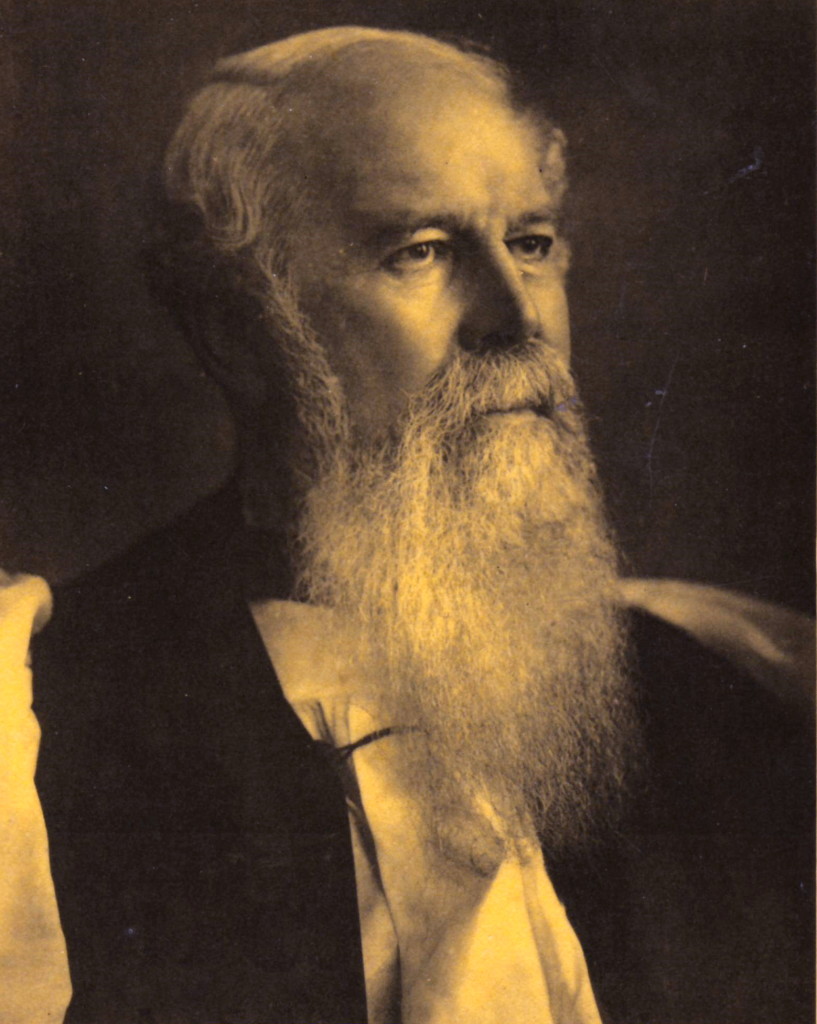
The sermon preached by J.C. Ryle focuses primarily on the correct understanding of the Sabbath, which had been obscured by Jewish traditions during Jesus' time. Ryle argues that Christ did not abolish the observance of the Sabbath but clarified its true intent, emphasizing mercy and necessity over rigid traditions. He supports this by referencing examples from Scripture, such as David's consumption of the showbread and the work of priests on the Sabbath, illustrating that good works, including healing and acts of compassion, are lawful on this day. The doctrinal significance of this teaching encourages believers to uphold the sanctity of the Sabbath while understanding it as a day for doing good, ultimately warning against both legalism and neglect of its holiness.
“He did not tear out of the Decalogue the Fourth Commandment. He only stripped off the miserable traditions with which the Pharisees had encrusted the day, and by which they had made it not a blessing but a burden.”
“It is lawful to do well and show mercy. But to give the Sabbath to idleness, pleasure-seeking, or the world, is utterly unlawful.”
“We must not be surprised to hear of dreadful charges being made against the best of men without cause.”
“Our words will form one subject of inquiry at the day of judgment.”
The Bible affirms the importance of the Sabbath as a day of rest and worship, as seen in Jesus' teachings in Matthew 12.
Matthew 12:1-14
Jesus claims lordship over the Sabbath in Matthew 12, highlighting His authority to interpret the law rightly.
Matthew 12:6-8
The Sabbath is crucial for Christians as it embodies a time for rest, worship, and reflection on God's goodness.
Exodus 20:8-11, Matthew 12:12
Jesus teaches that acts of necessity and mercy are lawful on the Sabbath, showing God's heart for compassion.
Matthew 12:11-12
Jesus warns that blasphemy against the Holy Spirit is an unpardonable sin, indicating the severe consequence of willfully rejecting the truth.
Matthew 12:31-32
Auto-generated transcript • May contain errors

Comments
Your comment has been submitted and is awaiting moderation. Once approved, it will appear on this page.
Be the first to comment!