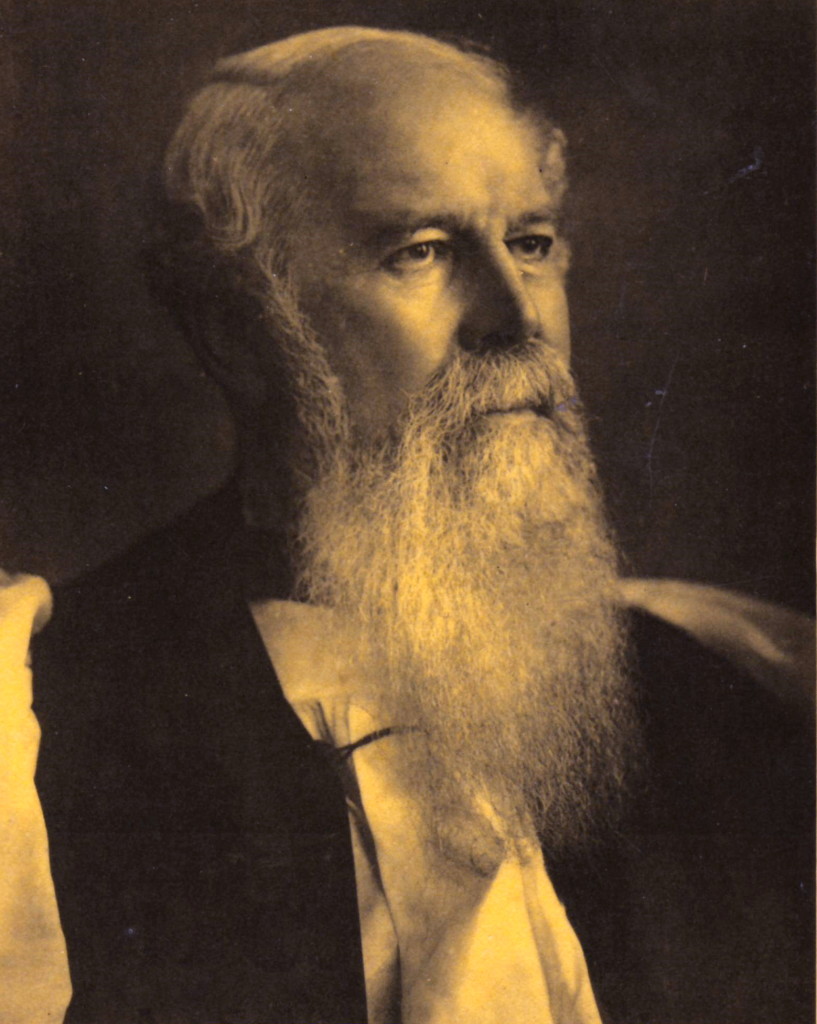
In J. C. Ryle's sermon on Matthew 17, the main theological focus is the Transfiguration of Christ, which serves as a pivotal moment revealing the divine glory of Jesus. Ryle articulates that this event was intended to encourage the disciples, contrasting their recent sorrow over Christ's impending suffering with a glimpse of His future glory, as supported by references to Scripture, such as 2 Peter 1:16 and John 1:14. He emphasizes that the Transfiguration not only affirms the resurrection and life after death, as seen with Moses and Elijah appearing in glory, but also underscores Christ's superiority over even the greatest Old Testament figures, reinforcing the Reformed doctrine that Christ alone is the mediator and Savior. The practical significance lies in reminding believers of the hope of future glory, the need for faith amidst challenges, and the exclusive authority of Christ in the believer's life.
“The corner of the veil was lifted up, to show them their master's true dignity.”
“There is laid up for Jesus, and all that believe on Him, such glory as the heart of man never conceived.”
“He was the true Sun. They were the stars depending daily on His light.”
“Let us take heed that we hear His voice and follow Him.”
The Bible describes the Transfiguration of Jesus as a revelation of His divine glory, witnessed by Peter, James, and John.
Matthew 17:1-8, 2 Peter 1:16, John 1:14
The resurrection of the body is affirmed in the Transfiguration, where Moses and Elijah appear in glory, providing evidence of life after death.
Matthew 17:1-8, Luke 20:38
Christ's superiority is crucial because it confirms His unique role as Savior and the ultimate authority in spiritual matters.
Matthew 17:5, Deuteronomy 18:15
Auto-generated transcript • May contain errors

Comments
Your comment has been submitted and is awaiting moderation. Once approved, it will appear on this page.
Be the first to comment!