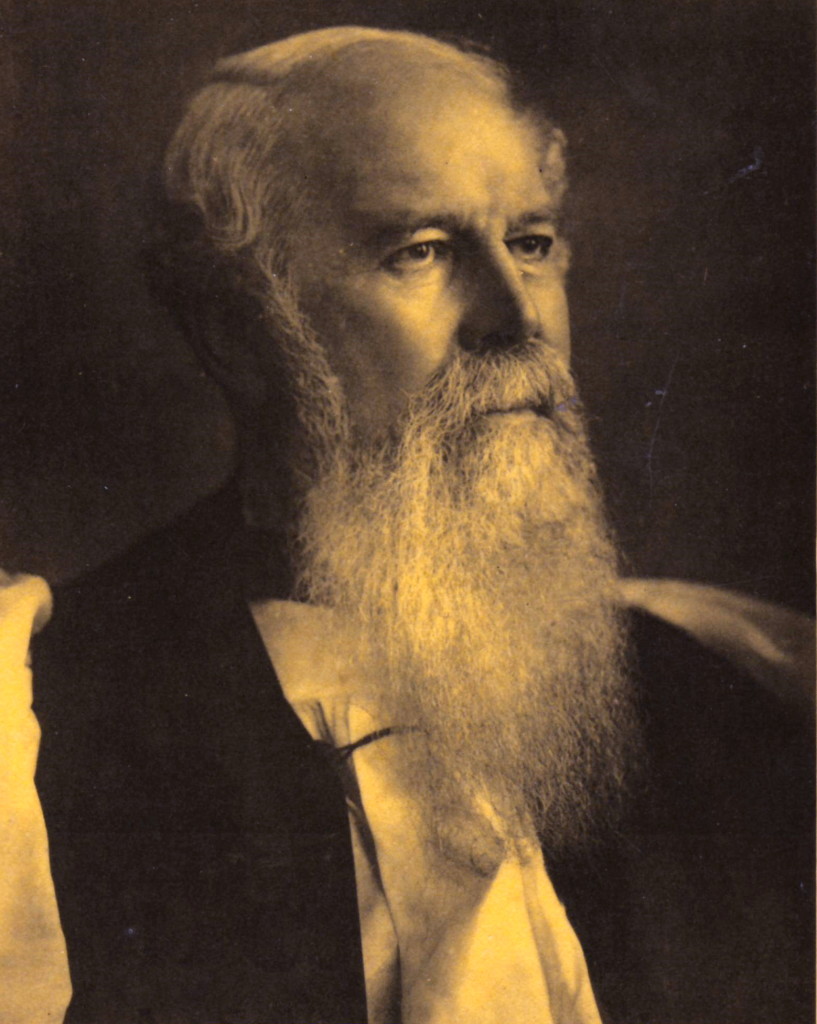
In J. C. Ryle's sermon on Matthew 16, the main theological focus is the identity and mission of Christ alongside the nature of His Church. Ryle highlights the enmity of the Pharisees and Sadducees towards Jesus, emphasizing that their demands for signs reflect a wicked heart failing to discern the times (Matt. 16:1-4). He further points out the importance of Christ’s warning against their doctrines, which are likened to leaven that can corrupt the truth of the Gospel (Matt. 16:6). In addition, Ryle discusses Peter's confession of faith (Matt. 16:16), interpreting Christ’s response as a declaration that the Church would be built on the foundational truth of His Messiahship, rather than on Peter himself. This insight carries significant implications for the understanding of the Church's integrity and the security of believers, emphasizing that the true Church—comprised of all the elect—will never be destroyed, as the gates of hell will not prevail against it (Matt. 16:18). Overall, Ryle's exposition encourages vigilance against false teachings and emphasizes a robust understanding of Christ’s atoning work and the necessity of self-denial in following Him.
Key Quotes
“A wicked and adulterous generation seeketh after a sign, and there shall be no sign given unto it but the sign of the prophet Jonas.”
“Take heed, and beware of the leaven of the Pharisees and of the Sadducees.”
“The gates of hell shall not prevail against it.”
“What shall it profit a man if he shall gain the whole world and lose his own soul?”
The Bible warns against the leaven of the Pharisees as a metaphor for false doctrine that can corrupt the faith.
In Matthew 16, Jesus cautions His disciples to beware of the leaven of the Pharisees and Sadducees, which represents the false teachings and destructive doctrines of these groups. The leaven, while initially seeming minor, has a profound capacity to influence the entire batch. Jesus used this metaphor to underscore the subtlety and power of false doctrines that, when introduced into the Church, can gradually corrupt the truth of the Gospel. As believers, we are tasked with recognizing and rejecting these influences, remaining vigilant against both overt heresies and those that may appear inconsequential at first glance. The warning, directed even towards the apostles, signifies the persistent danger of straying from the pure Gospel message.
Matthew 16:6-12
Jesus affirmed His identity as the Christ through His teachings, miracles, and Peter's confession.
In Matthew 16, after asking His disciples whom they believe Him to be, Peter boldly confesses, 'Thou art the Christ, the Son of the living God.' This declaration is pivotal as it not only acknowledges Jesus’ divine nature but also His messianic role. Jesus’ response highlights that this revelation came not from human understanding, but from God the Father. Throughout His ministry, Jesus demonstrated His identity through miracles, fulfillment of prophecy, and authoritative teaching. The acknowledgment of His identity as the Messiah is foundational for the Christian faith, as it affirms His role in God’s redemptive plan. The church is built upon this truth, which remains crucial for our understanding of salvation.
Matthew 16:15-17
The doctrine of Christ's atoning death is central to Christianity as it provides the basis for our salvation.
In Matthew 16, Jesus’ revelation of His impending suffering and death emphasizes the essential doctrine of His atoning sacrifice. He warns Peter, who attempts to rebuke Him, by stating that such opposition to His death is akin to siding with Satan. This scene highlights the significance of understanding Christ’s death as integral to the Gospel; it is not merely an event but the very heart of our faith. The atonement is vital because it reconciles sinful humanity to a holy God, serving as the foundation for hope and the promise of eternal life. Incorrect views about Christ's death compromise the entire message of salvation, making it imperative that believers hold firmly to its truth.
Matthew 16:21-23
To take up your cross means to embrace self-denial and follow Christ's example in discipleship.
In Matthew 16, Jesus plainly instructs His disciples that if anyone wishes to follow Him, they must deny themselves and take up their cross. This call to self-denial involves renouncing personal desires, ambitions, and comforts in favor of serving Christ and His Kingdom. It symbolizes the commitment to endure trials and sacrifices that accompany true discipleship. The cross represents not just suffering but the willingness to die to oneself for the sake of Christ and the Gospel. This notion is profound; it challenges believers to prioritize their faith even amid life’s challenges, reinforcing that true life in Christ comes from a willingness to lose oneself for His sake.
Matthew 16:24-26
Comments
Your comment has been submitted and is awaiting moderation. Once approved, it will appear on this page.
Be the first to comment!
