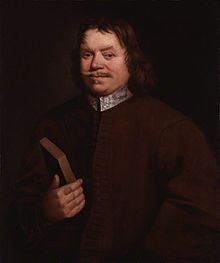
In John Bunyan's sermon "Pilgrim's Progress, part 2," the central theological theme is the Christian journey towards salvation, depicting the struggle against sin, the importance of faith, and the ultimate perseverance of believers. The character Christian represents the believer in Christ, initially weighed down by the burden of sin and finding redemption at the cross, as illustrated by the pivotal moment where his burden falls away (Matt. 11:28-30). The narrative introduces several allegorical figures, such as Formalist and Hypocrisy, to illustrate the dangers of false assurances in spiritual matters—those who seek shortcuts to salvation instead of coming through the narrow gate (Matt. 7:13-14). The trials that Christian faces, like the struggle with Apollyon and the Valley of the Shadow of Death, reflect the real threats to faith that believers must endure, affirming the Reformed doctrine of perseverance of the saints—that true believers will endure to the end despite spiritual warfare. Ultimately, the sermon underscores the call to remain vigilant in the Christian faith and the necessity of relying on God’s grace and truth to navigate life's challenges.
Key Quotes
“The difference is that I am obeying the master and you are not. You have entered the way without his permission, and you will leave it without his mercy.”
“To turn back means nothing but death. To go forward is fear of death, but eternal life beyond.”
“I do not know what other enemies may be waiting for me, even now.”
“Any customs or any worship that do not agree with the word of God are against Christianity and cannot please God.”
The Bible teaches that the narrow way leads to life, while many choose the broad way that leads to destruction (Matthew 7:13-14).
In Matthew 7:13-14, Jesus contrasts the narrow way with the broad way. The narrow way symbolizes the path of true discipleship that involves sacrifice, discipline, and often hard choices. This alignment with biblical principles reveals that the journey to the Celestial City, as depicted in 'Pilgrim's Progress,' embodies the struggles and commitment inherent in following Christ. Choosing the narrow path is essential for believers, as it leads to eternal life, despite the difficulties it presents along the way.
Matthew 7:13-14
Election is rooted in the sovereignty of God and His choice before the foundation of the world (Ephesians 1:4-5).
The doctrine of election asserts that God, in His sovereignty, chose a people for Himself before the foundation of the world, as stated in Ephesians 1:4-5. This choice is not based on foreseen faith or merit but solely on God's grace and purpose. The perseverance of pilgrim characters like Christian, who remain steadfast despite trials, exemplifies the assurance found in God's electing love. This reinforces the biblical truth that believers can trust in God's eternal plan for their salvation, rooted in His sovereign grace.
Ephesians 1:4-5
The journey symbolizes the Christian life, filled with trials and faith that ultimately leads to eternal glory.
The journey to the Celestial City represents the overall Christian experience, illustrating the trials, temptations, and victories that believers face. As shown in 'Pilgrim's Progress,' the struggles that Christian encounters, from losing his scroll to battling the fiend Apollyon, reflect real spiritual battles faced by Christians today. The importance lies in the fact that these experiences serve to strengthen faith, build perseverance, and draw believers closer to God. Each step towards the Celestial City acts as a reminder of the eternal glory that awaits those who remain faithful till the end.
2 Timothy 4:7-8
The scroll symbolizes assurance and proof of Christian's pilgrimage toward salvation and the Celestial City.
In 'Pilgrim's Progress,' the scroll given to Christian at the cross is of immense significance as it represents his assurance of salvation and identity as a pilgrim. This scroll is not merely a document but a testament to God's promise and grace. It provides comfort and validation amid trials, reminding Christian of the destination of his journey and the hope of eternal life in the Celestial City. Losing the scroll serves as a metaphor for the dangers posed by spiritual lethargy and the importance of vigilance in a believer's walk.
Revelation 3:5
Christians overcome spiritual battles through faith, obedience, and reliance on the Word of God.
Christians, as exemplified by Christian in 'Pilgrim's Progress,' overcome spiritual battles by wielding the sword of the Spirit, which is the Word of God. This involves not only knowing Scripture but actively applying it in their lives, as seen when Christian draws his sword to combat Apollyon. Belief in God's promises, prayer, and spiritual discipline are critical for victory in these struggles. The narrative illustrates that through faith and the strength of the Lord, believers can confront and defeat the forces of evil that seek to deter them from their journey towards the Celestial City.
Ephesians 6:10-17
Comments
Your comment has been submitted and is awaiting moderation. Once approved, it will appear on this page.
Be the first to comment!
