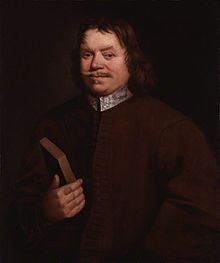
Bunyan's Pilgrim's Progress, Chapters 1-15
1 Peter 2:11; Matthew 7:13-14
In John Bunyan's "Pilgrim's Progress" (Chapters 1-15), the primary theological doctrine revolves around the nature of salvation and the Christian's journey of faith as a pilgrimage. Bunyan illustrates the challenges faced by believers—burdens of sin, worldly distractions, and spiritual adversaries—through the character of Christian, who represents all who strive to leave the "City of Destruction" in pursuit of the "Celestial City." Key arguments presented include the necessity of reliance on divine grace, as seen when Christian's burdens are lifted at the cross (Galatians 6:14), the dangers of falling back into sin (Hebrews 10:38-39), and the vital role of the Word of God as a guide throughout the believer's journey (2 Timothy 3:16-17). The use of allegory demonstrates the significance of perseverance in faith amidst trials, illustrating central themes of Reformed theology such as grace, justification by faith, and the pursuit of holiness. The practical significance encourages believers to remain steadfast in their devotion and reliance on Christ, actively resisting worldly temptations and trusting in the sufficiency of God's provision.
“As I slept, I dreamed a dream.”
>
“What shall I do to be saved?”
>
“I put my finger in my ears and ran on, crying, Life! Life! Eternal life!”
>
“I have no more to do with you. I am under the King’s orders, and I will follow Him.”
The Bible encourages Christians to view themselves as pilgrims, emphasizing their status as strangers on earth, illustrated in 1 Peter 2:11.
1 Peter 2:11, Hebrews 11:13
Salvation is attained only through faith in Christ, who bore our sins and provides redemption, aligning with the teachings in Romans 5:8.
Romans 5:8, Ephesians 2:8-9
Resisting worldly influences is crucial for Christians to maintain their spiritual integrity and focus on their heavenly calling, as urged in Romans 12:2.
Romans 12:2
Auto-generated transcript • May contain errors

Comments
Your comment has been submitted and is awaiting moderation. Once approved, it will appear on this page.
Be the first to comment!