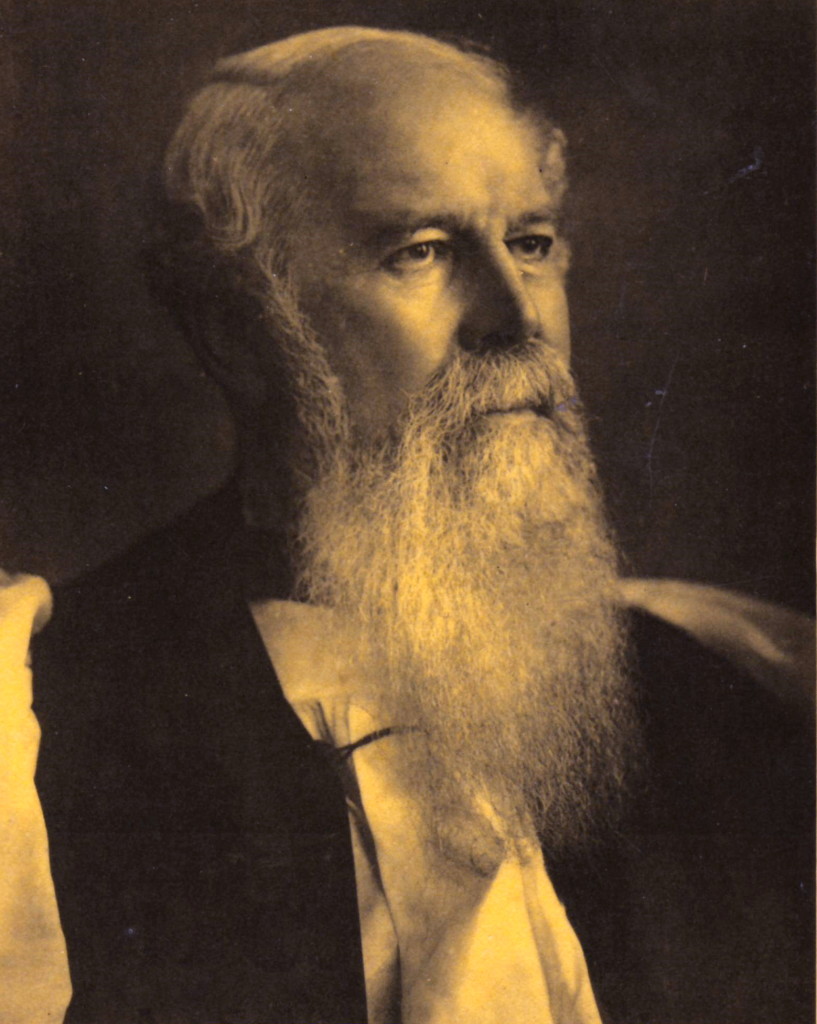
In the sermon on Mark 8, J.C. Ryle addresses the themes of Christ's compassion, the necessity of self-denial, and the peril of unbelief. Ryle emphasizes Jesus' miraculous feeding of the four thousand as an illustration of His compassion for the spiritually and physically hungry, highlighting God's sufficiency to meet both physical and spiritual needs (Mark 8:1-9). He then warns against the dangers of false doctrine, represented by the "leaven of the Pharisees" and Herod, stressing the importance of vigilance against erroneous teachings (Mark 8:14-21). Ryle further underscores the necessity of self-denial and the value of the soul, urging believers to embrace the cross for Jesus' sake in order to attain eternal life (Mark 8:34-38). Ultimately, he illustrates the profound implications of confessing Christ amidst worldly opposition, linking it to one's eternal standing before God.
Key Quotes
“He has compassion even on those who are not His people, the faithless, the graceless, the followers of this world.”
“Nothing is too hard for the Lord.”
“A religion which costs nothing is worth nothing.”
“Better a thousand times confess Christ now, and be despised by man, than be disowned by Christ before His Father in the day of judgment.”
The Bible shows that Christ has deep compassion for both believers and those who do not follow Him.
In Mark 8, we see Jesus demonstrating His compassion for a multitude who had been with Him for three days without food. He recognizes their physical need and shows care, reflecting His tenderhearted nature towards all, even those who may follow Him out of mere curiosity. Our Lord's compassion is not limited solely to His faithful followers; He expresses pity for all humanity. This teaches us to model our own kindness and compassion after His example, understanding that He desires everyone to repent and believe in Him.
Mark 8:1-3
Jesus performed miracles in public, demonstrating His divine authority and compassion.
Jesus' miracles, including the feeding of the 4,000 in Mark 8, were performed publicly before many witnesses. This act not only showcased His power over nature but was also a compassionate response to human needs. The sheer magnitude of feeding such a large crowd from a small amount of food, left with leftover baskets, serves as a testament to His omnipotence. These miracles authenticate His identity as the Messiah and provide powerful evidence for His claims and authority as the Son of God.
Mark 8:6-8, Mark 8:19-20
Self-denial is essential for following Christ and experiencing true spiritual life.
In Mark 8:34, Jesus calls His followers to deny themselves, take up their cross, and follow Him. This self-denial signifies putting aside personal desires and comforts for the sake of obedience to Christ and His Gospel. It emphasizes that true discipleship entails sacrifice and a willingness to endure hardships for the sake of Christ. A faith that costs nothing is worth nothing, and self-denial serves as a means through which believers showcase their commitment to Christ and the eternal life to come. This encompasses the daily struggles against sin and the world, leading to spiritual growth and maturity.
Mark 8:34, Philippians 4:13
Losing one's soul refers to the eternal consequences of prioritizing worldly things over spiritual life.
In Mark 8:36, Jesus asks, 'What shall it profit a man, if he shall gain the whole world, and lose his own soul?' This profound question underscores the eternal value of the soul compared to temporary worldly gains. The warning serves as a reminder that no earthly possession can compensate for the loss of spiritual salvation. It calls believers to assess their priorities, urging them to seek Christ above worldly achievements and comforts. Pursuing riches and status at the expense of one’s spiritual condition can lead to irreparable loss, making it vital to focus on what truly matters.
Mark 8:36
Comments
Your comment has been submitted and is awaiting moderation. Once approved, it will appear on this page.
Be the first to comment!
