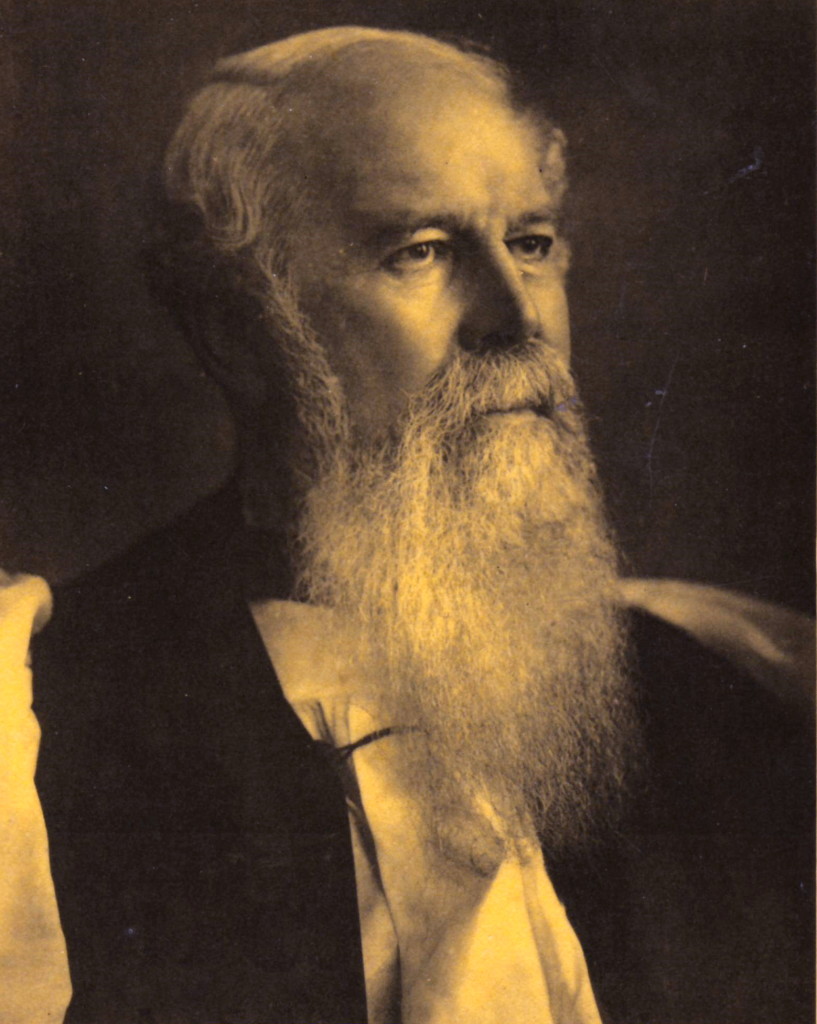
In J. C. Ryle's sermon on Mark 14, he addresses the profound themes of betrayal, the significance of Christ's passion, and the necessity of self-examination among believers. Ryle emphasizes that the betrayal of Jesus by Judas and the subsequent denial by Peter illustrate the frailty of human nature, even among the most devoted followers. He draws attention to Old Testament prophecies concerning Christ's suffering and highlights how they were fulfilled during the events leading to the crucifixion. Ryle points out that the actions of Christ's enemies and the failures of His disciples, exemplified in Peter's denial, serve as a solemn reminder of the need for vigilance, humility, and reliance on God's grace. The practical significance of this passage lies in its call for believers to reflect on their spiritual state and approach the Lord's Supper with a heart that is sincere and earnest.
Key Quotes
“How can this amazing conduct of Judas be accounted for? There is only one answer to that question. The love of money was the cause of this unhappy man's ruin.”
“Let us learn to pray for humility. Pride goeth before destruction, and a haughty spirit before a fall.”
“When he was betrayed, they forsook him. When he was crucified, they were almost in despair.”
“The experience of Peter is only the experience of all God's servants who have yielded to temptation.”
Judas Iscariot betrayed Jesus for money, highlighting the destructive nature of covetousness.
Judas Iscariot, a chosen apostle, committed the grave sin of betrayal, aligning himself with Christ's enemies out of love for money. His actions reflect the biblical truth that the love of money is the root of all evil (1 Timothy 6:10). Judas exemplifies the tragic fall from grace that can occur when one allows material desires to supersede their commitment to Christ. Despite having been given great privileges, his heart was not converted, demonstrating that knowledge and church membership are meaningless without genuine faith. This serves as a stark reminder for believers to guard against covetousness and to seek true grace in their hearts to avoid similar pitfalls.
Matthew 26:14-16, John 12:6, 1 Timothy 6:10
The Lord's Supper is a memorial of Christ's sacrifice, meant to strengthen and refresh believers in their faith.
The Lord's Supper, instituted by Christ, serves as a vital ordinance for Christians as it reminds us of His sacrificial death on the cross. The bread symbolizes His body, broken for us, and the wine represents His blood shed for our sins, establishing the New Covenant. As believers partake in this sacrament, they are called to self-examine their hearts and approach the table with repentance and faith. This ordinance is not merely a ritual but a means of grace that nourishes believers spiritually and deepens their relationship with Christ. It encourages thankfulness and acknowledgment of the debt we owe Him, reinforcing the importance of observing the Lord's Supper worthily.
Mark 14:22-25, 1 Corinthians 11:28-30, Matthew 26:26-28
God can overrule the wicked designs of men to fulfill His purposes and bring about good.
The account of the chief priests' conspiracy against Jesus illustrates how God sovereignly overrules human wickedness to accomplish His divine plan. Despite their efforts to eliminate Christ quietly, God's providence ensured that Jesus was crucified publicly during Passover, thereby fulfilling the prophecies forewarning of His sacrifice (Psalm 76:10). This shows that, ultimately, human attempts to thwart God's plans only serve to advance His purposes. For Christians, this serves as comfort amidst a chaotic world, affirming that all events are under God's control and work together for His glory, as nothing can thwart His sovereign will.
Psalm 76:10, Acts 2:23, Romans 8:28
Peter's denial serves as a sober reminder of human frailty and the need for humility and vigilance.
Peter's denial of Christ is a striking example of how even the most devoted followers can falter under pressure. Despite his earlier confidence, Peter succumbed to fear and temptation, ultimately denying Jesus three times. This teaches believers the importance of humility and the need for constant vigilance and prayer in their spiritual lives. The warning that 'the spirit is willing, but the flesh is weak' (Mark 14:38) emphasizes that reliance on one's own strength is unwise. Christians should acknowledge their vulnerabilities, remaining steadfast in faith while seeking God's grace to uphold them. Ultimately, Peter's experience of repentance and restoration shows that, while sin leads to sorrow, God's mercy is always available to the repentant heart.
Mark 14:66-72, 1 Corinthians 10:12, Proverbs 28:14

Comments
Your comment has been submitted and is awaiting moderation. Once approved, it will appear on this page.
Be the first to comment!