086. A Crippled Woman Healed, Luke 13:10-17
Luke 13:10-17
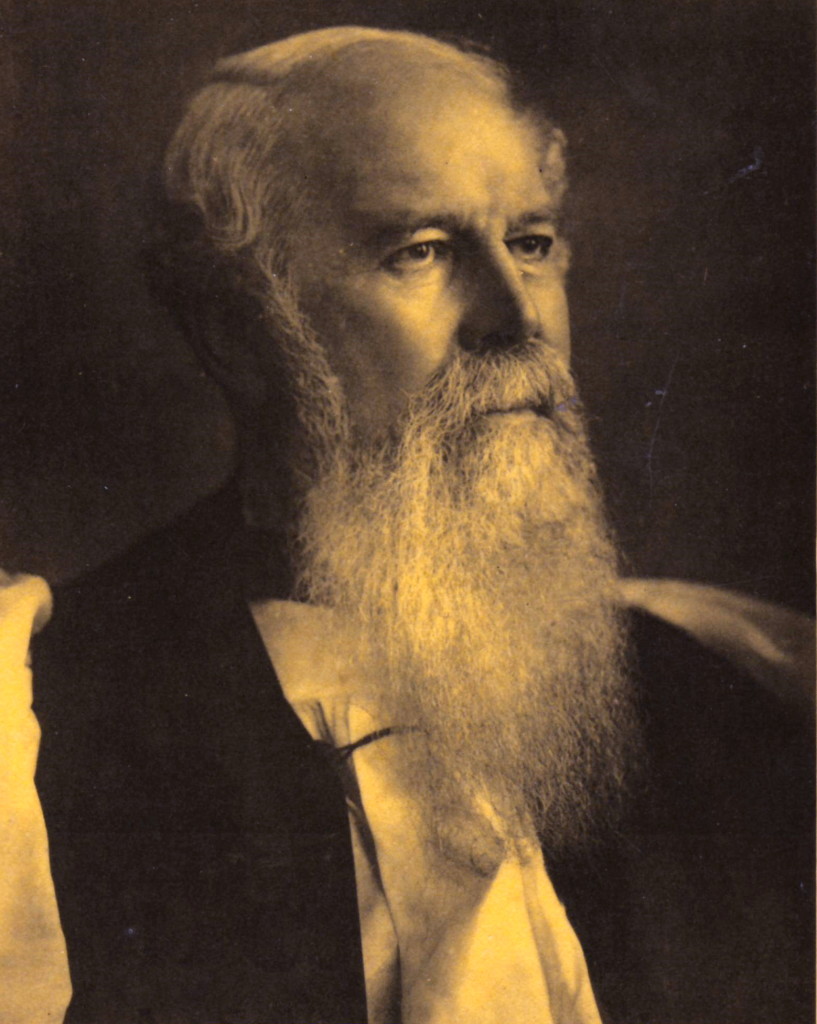
J.C. Ryle's sermon on Luke 13:10-17 focuses on the healing of a crippled woman on the Sabbath, illustrating the theological significance of Sabbath observance and Christ's authority over both physical and spiritual afflictions. Ryle argues that true believers, exemplified by the healed woman, demonstrate a diligent commitment to worship despite physical difficulties, highlighting the contrast with those who allow trivial excuses to hinder their attendance at God’s house. He references Christ's rebuke to the synagogue ruler to underline that acts of mercy and necessity are inherently consistent with the Sabbath's purpose, citing the woman's restoration as a testament to Christ’s divine power to heal and redeem. The practical significance emphasizes that a genuine love for God and His day reflects the state of one's soul, and that Christ’s ability to heal extends to the spiritual realm, reminding believers that hope for salvation remains irrespective of their past sins.
“Sickness was no excuse with her for staying away from God's house.”
“Let us never forget that our feelings about Sundays are sure tests of the state of our souls.”
“There are no incurable cases with Christ.”
“The Sabbath was made for man's benefit and not for his hurt.”
The Bible shows that Jesus healed on the Sabbath to fulfill the true purpose of the day, emphasizing mercy over rigid legalism.
Luke 13:10-17
Jesus' miracles, including healing the crippled woman, are true manifestations of His divine power and authority.
Luke 13:10-17, John 14:11
Keeping the Sabbath is important because it honors God's design for rest and worship, promoting spiritual and communal well-being.
Exodus 20:8-11, Luke 13:10-17
Jesus' response illustrates that compassion and mercy take precedence over strict Sabbath observance.
Luke 13:10-17, John 7:23
Auto-generated transcript • May contain errors

Comments
Your comment has been submitted and is awaiting moderation. Once approved, it will appear on this page.
Be the first to comment!