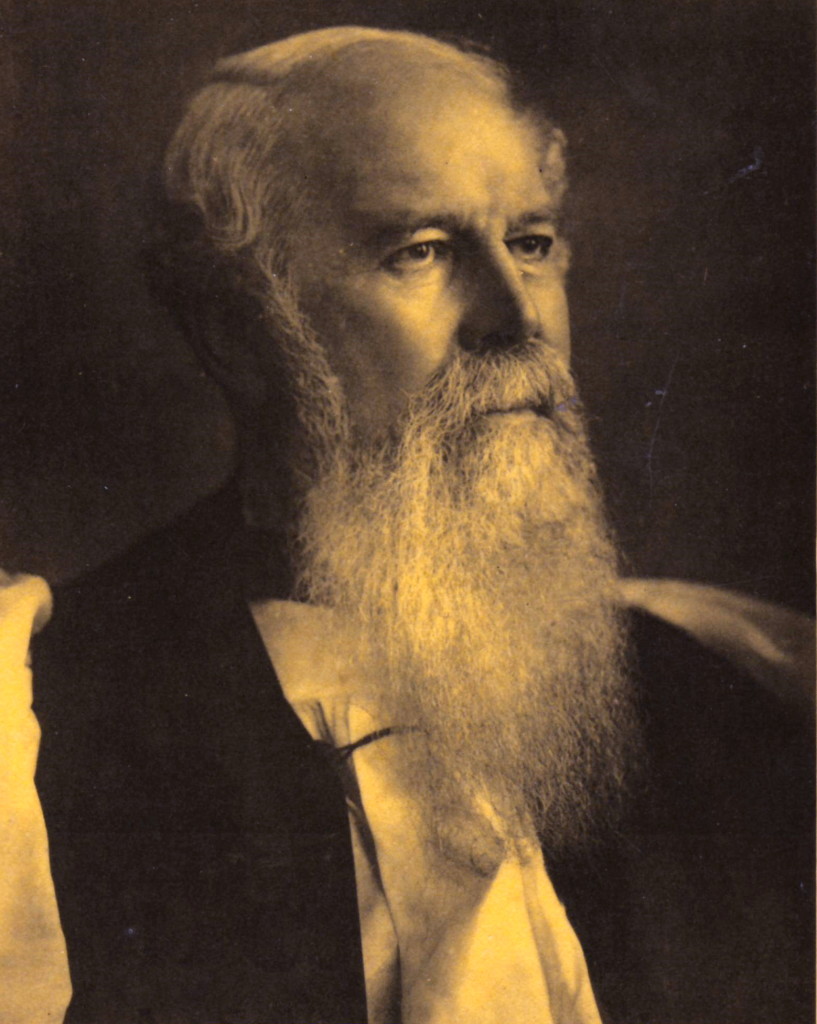
090. Jesus at a Pharisee's House, Luke 14:1-6
Luke 14:1-6
J.C. Ryle's sermon on Luke 14:1-6 addresses the theological implications of Christ's engagement with a Pharisee and the meaning of Sabbath observance. Ryle expounds on how Jesus accepted an invitation from a Pharisee, demonstrating His willingness to interact with non-disciples while maintaining a commitment to God's truth. The key Scripture references include Luke 14:1-6 and Colossians 4:6, which highlight Christ’s calm demeanor and wise speech when challenged by religious authorities. Ryle emphasizes the significance of doing acts of mercy on the Sabbath, contending that such actions align with the true spirit of the law, as the Sabbath was intended for humanity's benefit rather than as a burden. The sermon calls on Christians to thoughtfully navigate their interactions with the unconverted, reinforcing the doctrine of living a life reflective of Christ's example while asserting the importance of mercy and compassion in fulfilling God's commandments.
“Our Lord has left us a pattern for our conduct in this chapter. It will be our wisdom to endeavor to walk in his steps.”
“The Sabbath was made for man's benefit, not for his harm, for his advantage, not for his hurt.”
“If he makes a slip there, in word or deed, and acts inconsistently, he may rest assured that it will not be forgotten.”
“The qualification which our Lord here puts on the requirements of the fourth commandment is evidently founded on scripture, reason, and common sense.”
The Bible indicates that doing works of mercy, such as healing, is lawful on the Sabbath.
Luke 14:1-6
Jesus' authority is affirmed through His actions and teachings, which consistently align with God's law.
Luke 14:1-6, Romans 8:28-30
Christians must interact with those outside the faith to fulfill the Great Commission and to witness to Christ's love.
Luke 14:1-6, 1 Corinthians 7:7
Christians should engage with non-believers with caution, prayerfulness, and a commitment to living out their faith.
Luke 14:1-6, Colossians 4:6
It means that the Sabbath is intended to benefit humanity, not to impose rigid restrictions.
Luke 14:1-6
Auto-generated transcript • May contain errors

Comments
Your comment has been submitted and is awaiting moderation. Once approved, it will appear on this page.
Be the first to comment!