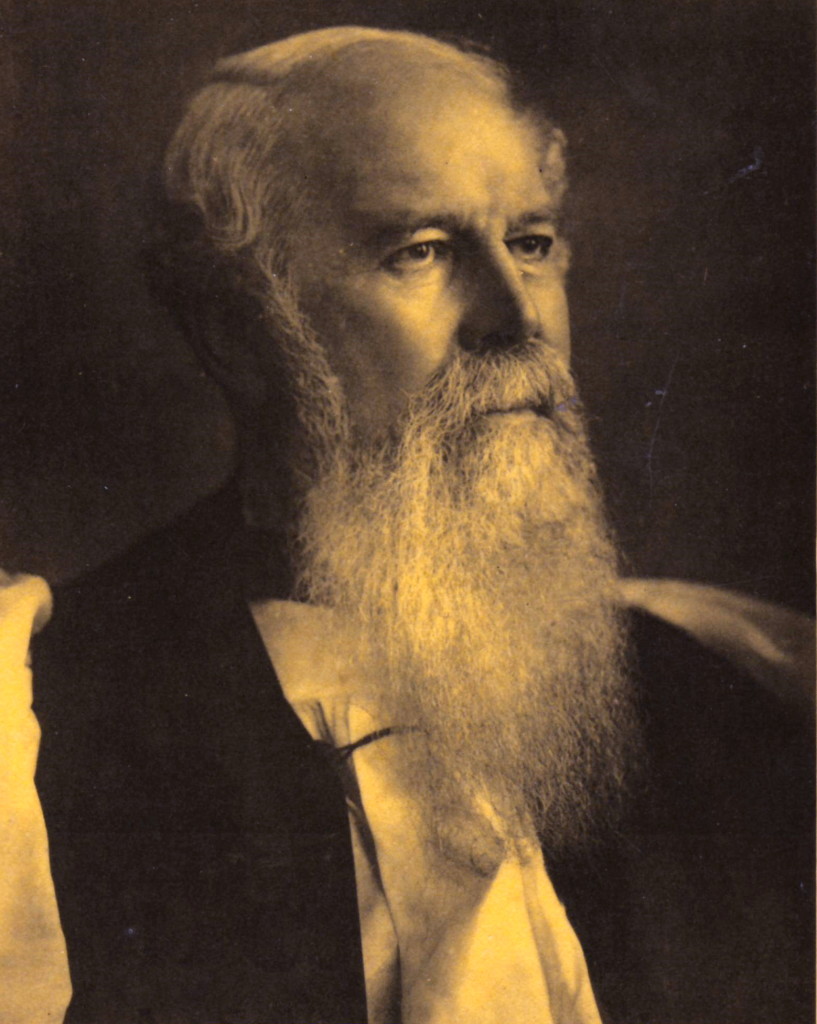
J.C. Ryle’s sermon on Luke 14:7-14 emphasizes the theological virtue of humility, illustrating that those who exalt themselves will be humbled while the humble will be exalted. Ryle presents a two-fold argument based on Christ’s parable about seating arrangements at a wedding and the directive to care for the poor. He supports his teaching with Scriptural references such as Philippians 2:3, Matthew 25:42, and Galatians 2:10, using these verses to highlight the intrinsic value of humility and the Christian duty to assist the needy. The practical significance of this passage is the call for Christians to embody humility and charity, aligning with the Reformed understanding of sinfulness and grace, as well as the eschatological hope of resurrection, which provides the foundation for believers' actions in the present life.
Key Quotes
“Humility may well be called the queen of Christian graces.”
“The root of humility is right knowledge.”
“It is the will of God that all his people who have the means should be willing and ready to help the poor.”
“Let us strive to live like men who believe in a resurrection and a life to come.”
The Bible teaches that humility is essential, as those who humble themselves will be exalted, while the proud will be brought low.
Humility is highlighted in Luke 14:11, where Jesus teaches that whoever exalts himself will be abased, and he who humbles himself shall be exalted. This principle is vital in the Christian faith, as it reflects a true understanding of one's own sinfulness and the grace of God. Humility enables believers to recognize their dependence on Christ and the importance of serving others, promoting a spirit of unity and love within the body of Christ. Great saints like Abraham, Moses, and Paul exemplified this grace, showing that it is not just an ideal but attainable for every believer, fostering a heart of service and compassion towards others.
Luke 14:11, Philippians 2:3
Caring for the poor is a clear command from Jesus, emphasizing that we should aid them, as our efforts will be rewarded by God.
In Luke 14:12-14, Jesus instructs his followers to invite the poor, the crippled, the lame, and the blind to their feasts, emphasizing the importance of showing charity to those in need. This instruction aligns with the broader scriptural context, where God commands His people to open their hands to the needy (Deuteronomy 15:11). The expectation to care for the poor is rooted in the consistent teachings of Scripture that highlight God's concern for the marginalized. By promoting a spirit of generosity and compassion, believers reflect the character of Christ, who prioritized the needs of the least among us. Thus, caring for the poor not only fulfills a biblical mandate but also serves as a testament to our faith in action, reinforcing the idea that true religion is shown through mercy and charity.
Luke 14:12-14, Deuteronomy 15:11
Believing in the resurrection assures Christians of eternal life, allowing them to face death with hope and confidence in Christ's victory over sin.
The resurrection is a foundational truth of the Christian faith, as evidenced in Luke 14:14, where Jesus states that those who care for the poor will be repaid at the resurrection of the just. This truth assures believers that there is life beyond death, where their faith will be rewarded. The resurrection counteracts the despair of death and suffering in the present world, offering believers hope and purpose. Without the resurrection, the Christian faith loses its power; however, believing in this promise allows Christians to endure trials with the assurance that this life is not the end. It encourages a mindset that values eternal rewards over temporary circumstances, instilling a sense of peace and readiness for the life to come, grounded in the finished work of Christ.
Luke 14:14, Romans 8:33
Comments
Your comment has been submitted and is awaiting moderation. Once approved, it will appear on this page.
Be the first to comment!
