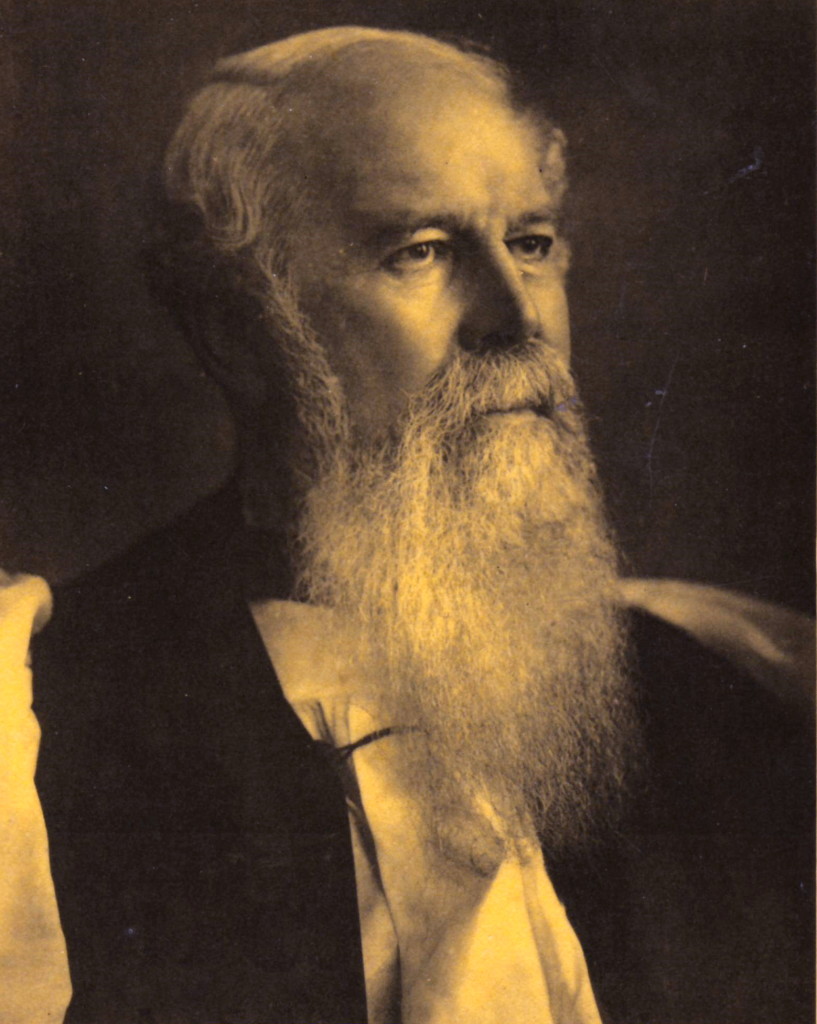
J.C. Ryle's sermon on the Parable of the Great Banquet (Luke 14:15-24) emphasizes the gracious provision God offers for salvation and the human tendency to reject it. Ryle highlights that the parable illustrates God's extensive invitation to receive salvation through Christ, who is the substance of this invitation ("I am the bread of life"). The excuses made by those initially invited underscore the prevalent apathy individuals have towards divine grace, reflecting a preference for worldly affairs over spiritual well-being. Ryle references John 6:35, emphasizing that Christ alone satisfies spiritual hunger and thirst. The sermon concludes with the significant admonition that God desires all to be saved and expects believers to be earnest in sharing the gospel, urging the necessity of compelling others to accept this invitation.
Key Quotes
“The gospel contains a full supply of everything that sinners need in order to be saved.”
“If man is not saved, the fault is not on God's side.”
“It is not ignorance of the gospel which ruins most men's souls. It is lack of will to use their knowledge or love of this present world.”
“We must... say, I cannot, I will not, I dare not let you go on ruining your own soul.”
The Bible teaches that God earnestly invites all to partake in the salvation He offers, as illustrated in the Parable of the Great Banquet.
The Parable of the Great Banquet, found in Luke 14:15-24, illustrates God's sincere invitation for all to partake in the feast of salvation. The master of the house, representing God, sends out invitations to those initially invited, highlighting a universal offer of grace. When excuses are made, he extends his invitation to the poor, maimed, halt, and blind, demonstrating His inclusive and compassionate desire for all to be saved. This reflects God's character and His earnestness in seeking the lost.
Luke 14:15-24
The universal offer of salvation is evident in the Gospel, where Christ makes Himself available to all, regardless of their status or background.
In Luke 14:17, the invitation to the banquet is given broadly to all, signaling that salvation is not limited by social status, past sins, or individual worthiness. Throughout Scripture, we see consistent themes where Jesus invites the weary and burdened to come to Him (Matthew 11:28). Therefore, no one can claim that God's grace is unavailable to them; His willingness to save extends to every individual. This inclusive nature of salvation underscores the fundamental truth that God desires all men to be saved and come to the knowledge of the truth (1 Timothy 2:4).
Luke 14:17, Matthew 11:28, 1 Timothy 2:4
Many refuse God's invitation due to trivial excuses, revealing a lack of will rather than ignorance.
In the Parable of the Great Banquet, the invited guests all made excuses, preferring their worldly concerns over the invitation to the feast (Luke 14:18-20). This parable vividly portrays a reality where many hear the gospel but choose to prioritize other pursuits. It's not ignorance that damns but the willful refusal to respond to the invitation to salvation. People may be lost to subtle distractions or lawful pursuits that keep them from acknowledging their deepest need for Christ. This underscores the importance of recognizing our own excuses and the urgency of accepting God’s gracious offer before it’s too late.
Luke 14:18-20
The parable emphasizes God's relentless desire for all to be saved, compelling His servants to reach out to those who are lost.
The Parable of the Great Banquet clearly demonstrates God's profound desire for the salvation of souls. When the original guests rejected the invitation, the master commanded his servant to invite the marginalized and less fortunate (Luke 14:21-23). This directive reveals God's heart for the lost and signifies His readiness to fill His house with those yearning for salvation. God's compassion and willingness extend beyond mere words; He actively seeks out the unrepentant, prompting the need for believers to passionately share the gospel. It calls us to be diligent in our own evangelism efforts, encouraging us to pursue those who have not yet accepted the divine invitation.
Luke 14:21-23
Comments
Your comment has been submitted and is awaiting moderation. Once approved, it will appear on this page.
Be the first to comment!
