Bootstrap
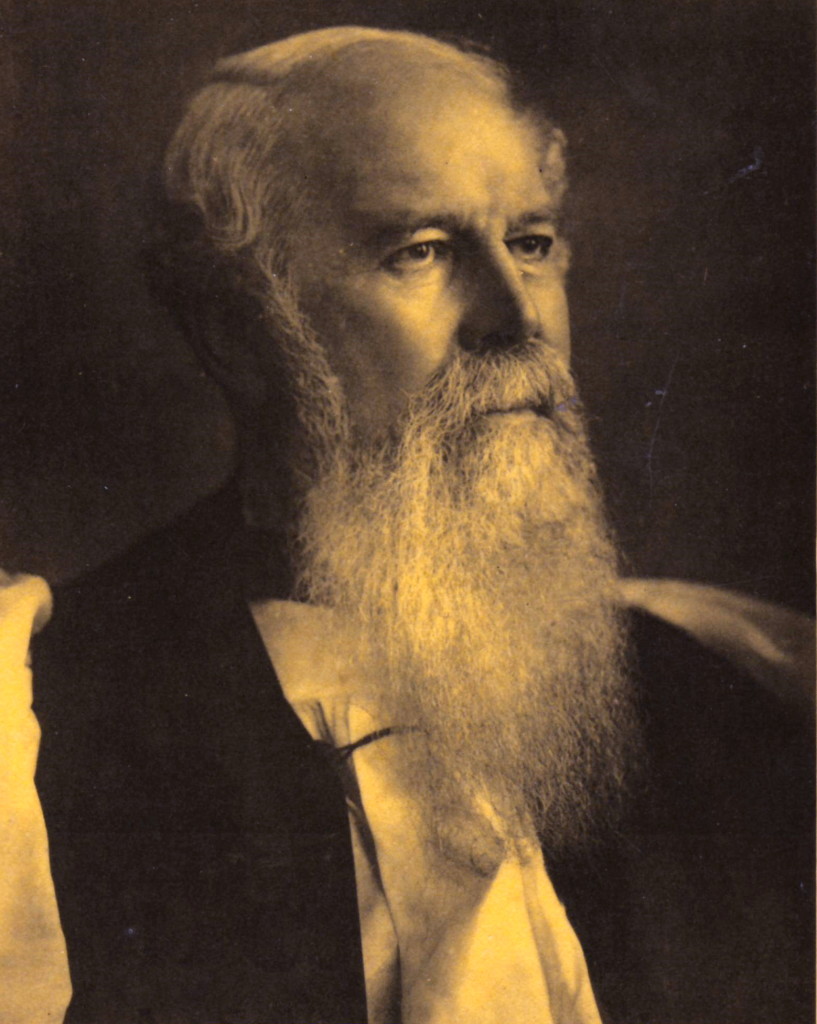
J.C. Ryle

095. The Parable of the Lost Son, Luke 15:11-24

Luke 15:11-24
J.C. Ryle October, 19 2018 Audio
0 Comments
This is a superb narration of Ryle's devotional commentary on the Gospel of Luke.

You will find it helpful to READ the texts--as you listen to the audios!

The TEXTS for the entire commentary can be found here:
http://gracegems.org/Ryle/Luke.htm

The AUDIOS for the entire commentary can be found here:
https://www.sermonaudio.com/search.asp?currpage...

J.C. Ryle’s sermon on the Parable of the Lost Son in Luke 15:11-24 expounds on the profound themes of sin, repentance, and divine grace. The central doctrine addresses humanity's natural estrangement from God, illustrated by the younger son’s rebellion and eventual realization of his desperate state. Ryle emphasizes the journey from self-will to repentance, arguing that it is only through recognizing one’s sinfulness and seeking the Father’s forgiveness that true restoration occurs. Key Scripture references such as Isaiah 53:6 and Psalm 4:6 highlight the universal nature of sin and the inner turmoil of the unconverted, while the father’s reaction encapsulates God's boundless mercy toward repentant sinners. The sermon ultimately illustrates the Reformed doctrine of grace, showcasing the joy of reconciliation with God as a work of divine love and initiative.

Key Quotes

“Sin is a hard master, and the servants of sin always find it out, sooner or later, to their cost.”

“Mere conviction is not conversion, but it is one step at any rate in the right direction.”

“The man in whose heart a true work of the Holy Spirit has begun will never be content with mere thinking and resolving.”

“Let this boundless mercy of our Lord Jesus Christ be engraved deeply in our memories and sink into our minds.”

Sermon Transcript

Auto-generated transcript • May contain errors

100%
J.C. Ryle's Devotional Thoughts on the Gospel of Luke Section 95 The Parable of the Lost Son Luke Chapter 15 Verses 11-24 And he said, A certain man had two sons, and the younger of them said to his father, Father, give me the portion of goods that falls to me. And he divided unto him his living.

And not many days after, the younger son gathered all together and took his journey into a far country, and there wasted his substance with riotous living.

And when he had spent all, there arose a mighty famine in that land, and he began to be in want.

And he went and joined himself to a citizen of that country, and he sent him into his fields to feed swine.

And he would gladly have filled his belly with the husks that the swine did eat, and no man gave unto him.

And when he came to himself, he said, How many hired servants of my father's have bread enough and to spare, and I perish with hunger!

I will arise and go to my father, and will say unto him, Father, I have sinned against heaven and before you and am no more worthy to be called your son.

Make me as one of your hired servants.

And he arose and came to his father.

But when he was yet a great way off, his father saw him, and had compassion, and ran, and fell on his neck, and kissed him.

And the son said unto him, Father, I have sinned against heaven and in your sight, and am no more worthy to be called your son. but the father said to his servants bring forth the best robe and put it on him and put a ring on his hand and shoes on his feet

and bring hither the fatted calf and kill it and let us eat and be merry for this my son was dead and is alive again he was lost and is found

and they began to be merry

The parable before us is commonly known as the parable of the prodigal son. It may truly be called a mighty spiritual picture. Unlike some of our Lord's parables, it is not conveyed to us one great lesson only, but many. Every part of it is particularly rich in instruction.

We see firstly in this parable a man following the natural bent of his own heart. Our Lord shows us a younger son making haste to go far away from a kind father's house, and wasting his substance in riotous living. We have in these words a faithful portrait of the mind with which we are all born. This is our likeness. We're all naturally proud and self-willed. We have no pleasure in fellowship with God. We long to depart and go afar away from him. We spend our time and strength and faculties and affections on things that cannot profit. The covetous man does it in one way, the slave of lusts and passions in another way, and the lover of pleasure in another way. In one point alone are all agreed. Like sheep, we all naturally go astray, and turn every one to his own way. Isaiah 53

In the younger son's initial conduct we see the natural heart of every man. He who knows nothing of these things has yet much to learn. He is spiritually blind. The eyes of his understanding need to be opened. The worst ignorance in the world is not to know ourselves. Happy is he who has been delivered from the kingdom of darkness and been made acquainted with himself. Of too many it may be said, they know not, neither will they understand. They walk on in darkness. Psalm 82 verse 5

We see, secondly, in this parable, man finding out by bitter experience that the ways of sin are hard. Our Lord shows us the younger son spending all his property and reduced to poverty, obliged to hard labor to feed swine, so hungry he's ready to eat swine's food, and cared for by none. These words describe a common case. Sin is a hard master, and the servants of sin always find it out, sooner or later, to their cost. Unconverted people are never really happy. Under a profession of accomplishment and cheerfulness, they are often ill at ease within. Thousands of them are sick at heart, dissatisfied with themselves, weary of their own ways, and thoroughly uncomfortable.

There are many who say, who will show us any good? There is no peace, says my God, to the wicked. Psalm 4,6 Isaiah chapter 57 verse 21 Let this truth sink down into our hearts. It is a truth, however loudly unconverted people may deny it. The way of transgressors is hard. Proverbs 13, verse 15. The secret wretchedness of natural man is exceedingly great. There is a deep sorrow within, however much they may try to conceal it. They are in need. He who sows to the flesh shall from the flesh weep corruption. It is no wonder that Paul said, What profit did you have in those things which you are now ashamed of? Galatians chapter 6 verse 8 Romans chapter 6 verse 21

We see, thirdly in this parable, man awaking to a sense of his natural state and resolving to repent. Our Lord tells that the youngest son came to himself and said, How many of my father's servants have bread enough and to spare, and I am perishing with hunger? I will arise and go to my father and say unto him, Father, I have sinned. The thoughts of thousands are vividly painted in these words. Thousands have reasoned in this way and are saying such things to themselves every day. We must be thankful whenever we see such thoughts arise. Mere thinking is not change of heart, but it may be the beginning of it. Mere conviction is not conversion, but it is one step at any rate in the right direction. The ruin of many people's souls is simply this, that they never think at all.

One caution, however, must always be given. Men must beware that they do not stop short by simply thinking. Good thoughts are all very well, but they are not saving Christianity. If the younger son had never got beyond thinking, then he might have kept away from home to the day of his death.

We see fourthly in this parable, man turning to God with true repentance and faith. Our Lord shows us the youngest son leaving the far country where he was and going back to his father's house, carrying into practice the good intentions he had formed and unreservedly confessing his sin. So he got up and went to his father. These words are a life-like outline of true repentance and conversion. The man in whose heart a true work of the Holy Spirit has begun will never be content with mere thinking and resolving. He will break off from sin, he will cease to do evil, and he will learn to do good. He will turn to God in humble prayer. He will confess his iniquities. He will not attempt to excuse his sins. He will say with David, I acknowledge my transgressions. He will say with the tax collector, God be merciful to me, a sinner. Psalm 51 verse three, Luke chapter 18 verse 13.

Let us beware of any repentance, falsely so called, which is not of this character. Action is the very life of repentance unto salvation. Feelings and tears and remorses and wishes and resolutions are all useless. until they are accompanied by action and a change of life. In fact, they're worse than useless. Insensibly, they sear the conscience and harden the heart.

We see fifthly in this parable the penitent man received readily, pardoned freely and completely accepted with God. Our Lord shows us this in this part of the younger son's history in the most touching manner. We read that he got up and went to his father. But while he was still a long way off, his father saw him and was filled with compassion for him. He ran to his son, threw his arms around him and kissed him. The son said to him, Father, I have sinned against heaven and against you. I am no longer worthy to be called your son." But the father said to his servants, Quick, bring the best robe and put it on him. Put a ring on his finger and sandals on his feet. Bring the fattened calf and kill it. Let's have a feast and celebrate.

More deeply affecting words than these perhaps were never written. To comment on them seems almost needless. It is like gilding refined gold or painting the lily. These words show us in great, broad letters the infinite love of the Lord Jesus Christ towards sinners. They teach how infinitely willing He is to receive all who come to Him, and how complete and full and immediate is the pardon which He is ready to bestow. By Him all who believe are justified from all things. He is plenteous in mercy. Acts chapter 13 verse 39 Psalm 86 verse 5

Let this boundless mercy of our Lord Jesus Christ be engraved deeply in our memories and sink into our minds. Let us never forget that he is one who receives sinners. With him and his mercy, sinners ought to begin when they first begin to desire salvation. On him and his mercy, saints must live when they've been taught to repent and believe. The life which I live in the flesh, says Paul, I live by faith in the Son of God who loved me and gave himself for me. Galatians chapter 2 verse 20 you
J.C. Ryle
About J.C. Ryle
John Charles Ryle (10 May 1816 — 10 June 1900) was an English evangelical Anglican bishop. He was the first Anglican bishop of Liverpool.
Broadcaster:

Comments

0 / 2000 characters
Comments are moderated before appearing.

Be the first to comment!

Joshua

Joshua

Shall we play a game? Ask me about articles, sermons, or theology from our library. I can also help you navigate the site.