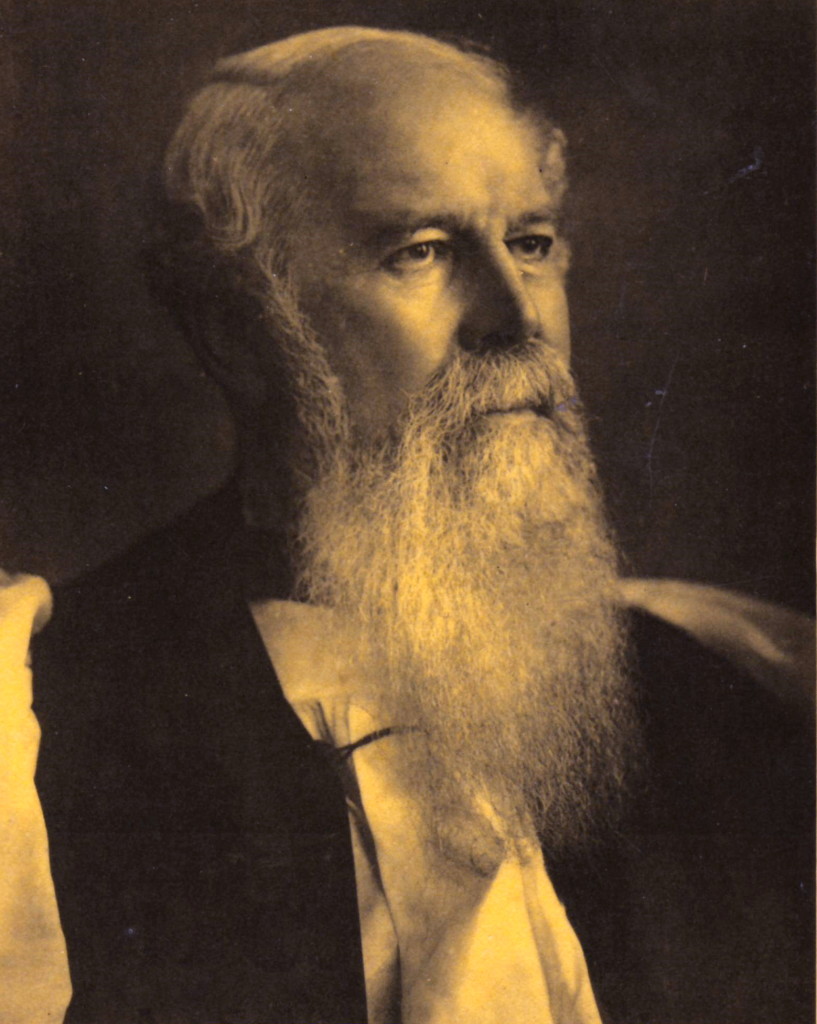
063. The Return of the Disciples, Luke 10:17-20
Luke 10:17-20
J.C. Ryle's sermon on Luke 10:17-20 addresses the theological topic of humility in success and the distinction between spiritual gifts and saving grace. Ryle argues that the seventy disciples, returning with joy over their power to cast out demons, reveal a tendency toward pride and self-satisfaction that can accompany success in ministry. He references Christ’s cautionary words about the fall of Satan (Luke 10:18) as a warning against undue exultation, emphasizing that genuine rejoicing should stem from having one's name written in heaven (Luke 10:20). The theological significance of this message is profound, as it asserts that gifts are secondary to grace, and stresses that true spiritual health is found in humility and a firm assurance of one’s salvation, rather than in outward success or abilities.
“There was much false fire in that joy. There was evidently self-satisfaction in that report of achievements.”
“The caution of the passage before us ought never to be forgotten. In the midst of our triumphs, let us cry earnestly, Lord, clothe us with humility.”
“Gifts, without grace, save no one... but he who has grace without gifts is alive to God however unlearned and ignorant he may appear to man.”
“Let us strive to be epistles of Christ, known and read by all men, and to show by our humility and charity and faith and spiritual-mindedness that we are the children of God.”
The Bible emphasizes humility, especially during times of success, as a vital characteristic for Christians to avoid pride.
Luke 10:17-20, 1 Timothy 3:6
We can know our names are written in heaven by the inner witness of the Holy Spirit and faith in Christ's redemptive work.
Luke 10:20, Romans 8:16
Grace is more important than spiritual gifts because it alone leads to salvation and eternal life, whereas gifts do not save.
Luke 10:20, 1 Corinthians 6:11
Auto-generated transcript • May contain errors

Comments
Your comment has been submitted and is awaiting moderation. Once approved, it will appear on this page.
Be the first to comment!