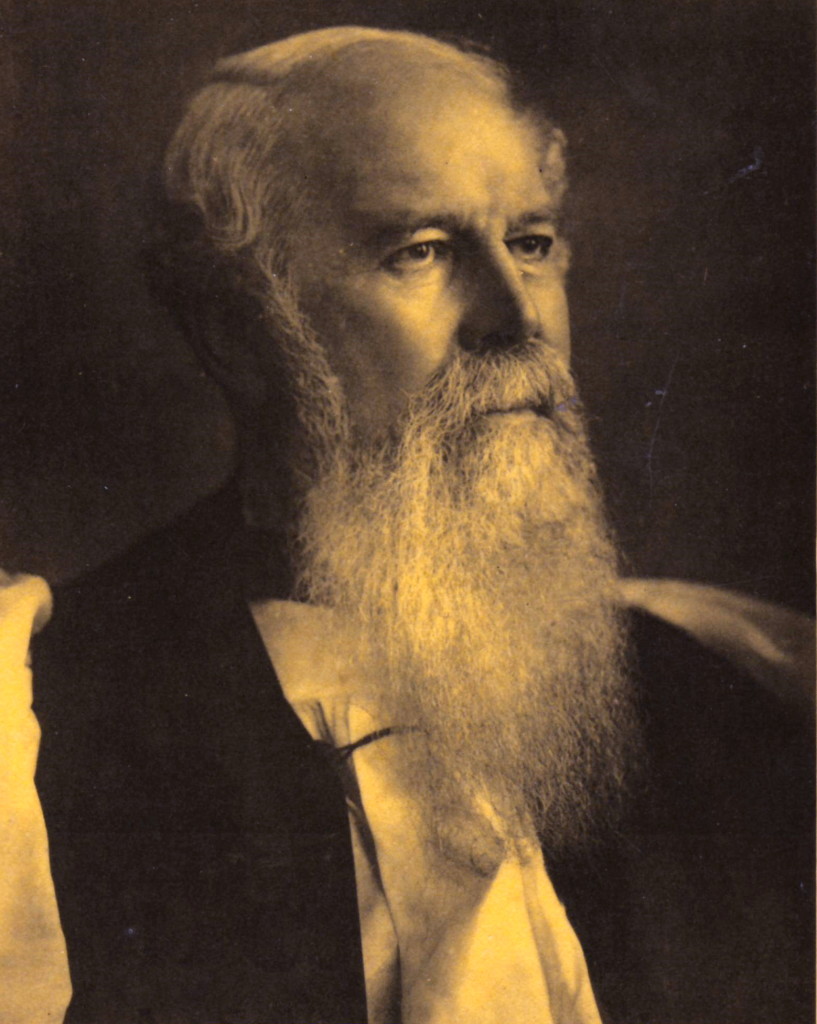
J.C. Ryle's sermon on Luke 8:16-21 explores the themes of spiritual knowledge and the obligation of Christians to actively embody their faith. Ryle emphasizes that the light of spiritual truth, akin to a candle, should not be hidden but shared for the benefit of others, highlighting the responsibility that accompanies the possession of the Gospel. He references Scripture passages such as John 12:35 and Ephesians 2:12 to illustrate the transformative impact of spiritual light and the dire condition of those without it. Additionally, he underscores the importance of "right hearing," urging believers to approach the Word with faith, reverence, and prayer, as echoed in Hebrews 4:2 and 1 Thessalonians 2:13. Ultimately, Ryle affirms that true discipleship is evidenced in both hearing and doing God's Word, exemplifying vital Christianity that reflects one's relationship with Christ.
Key Quotes
“Our Lord tells us that spiritual knowledge is like a lighted candle, utterly useless when covered with a bushel or put under a bed.”
“The highest form of selfishness is that of the man who's content to go to heaven alone.”
“Take heed, says our Lord, how you hear.”
“The man who hears the word of God and does it is the true Christian.”
The Bible emphasizes the importance of hearing with faith, reverence, and prayer.
In Luke 8:18, Jesus warns, 'Take heed how you hear,' underlining the necessity for careful and intentional listening to His word. Spiritual growth is directly linked to our engagement with the means of grace, which includes the preaching of the word, prayer, and Bible reading. Merely attending church or reading the Bible without a heart attitude of faith and reverence will yield little spiritual benefit, as seen in Hebrews 4:2, where it states that the Word did not profit the Jews because it was not mixed with faith. The Thessalonians serve as a model, receiving the word not merely as the words of men but as truly God's message (1 Thessalonians 2:13). Thus, our approach to hearing should involve faith, reverence, and prayer to receive God's blessings.
Luke 8:18, Hebrews 4:2, 1 Thessalonians 2:13
Spreading the gospel is crucial as it illuminates the darkness of those without Christ.
The necessity of spreading the gospel is highlighted in the metaphor of a lighted candle in Luke 8:16. Just as a candle is designed to illuminate darkness and cannot serve its purpose if hidden, so too are Christians tasked with sharing the light of the gospel. Those who possess spiritual knowledge have a responsibility not only to live it out but to share it with others. The call to spread the word arises from compassion for those lost in sin and darkness. Ephesians 2:12 reminds us that many are without hope and without God; hence, true charity compels believers to share the light they have received. The ultimate goal should be to ignite that light in others, echoing the sentiment that no candle is meant to burn alone.
Luke 8:16, Ephesians 2:12
Hearing the word of God is vital for spiritual growth and understanding God's will.
For Christians, hearing the word of God is pivotal as it shapes their understanding of His will and guidance for life. Luke 8:21 illustrates that those who hear and do the word are considered the true family of Christ. This connection indicates that active listening leads to obedience and relationship with Him. Moreover, the teaching on hearing emphasizes the need for a heart attitude that engages with God's word prayerfully and reverently. Without this, as shown in Hebrews 4:2, the word can become ineffective when not coupled with faith. Christians are called to be not just hearers but doers of the word, ensuring that their lives reflect the teachings of Christ.
Luke 8:21, Hebrews 4:2
A true Christian is one who hears God's word and acts upon it.
The essence of being a true Christian is encapsulated in the ability to hear the word of God and put it into practice. In Luke 8:21, Jesus defines those who follow Him as His true family—those who hear the word and do it. This obedience entails repenting from sin, seeking faith in Jesus Christ for salvation, and striving for holiness in daily life. It emphasizes a transformative relationship where the believer truly believes, forsakes their works, and embraces Christ's righteousness. 2 Corinthians 5:4 highlights the struggles that come with this genuine faith, yet it assures believers of their intimate relationship with Christ. Therefore, identifying as a true Christian involves actions stemming from faith, following Christ's teachings as a core aspect of one’s life.
Luke 8:21, 2 Corinthians 5:4
Comments
Your comment has been submitted and is awaiting moderation. Once approved, it will appear on this page.
Be the first to comment!
