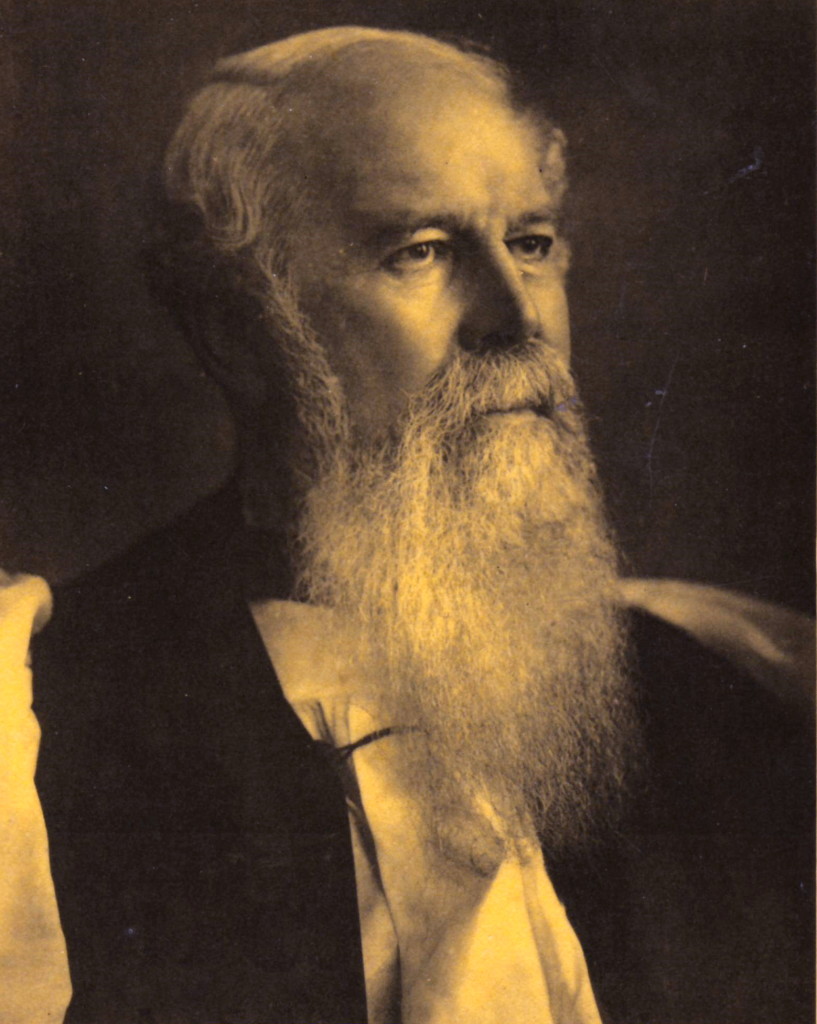
038. Jesus Raises a Widow's Son, Luke 7:11-17
Luke 7:11-17
J.C. Ryle's sermon on Luke 7:11-17 highlights the profound compassion of Christ, as demonstrated in the raising of the widow’s son, which emphasizes key Reformed doctrines such as the power of God over death and the nature of sin as the root of human suffering. Ryle argues that the sorrow depicted in the funeral procession illustrates how sin entered the world through Adam, leading to grief and death, supported by Romans 5:12. He stresses that Christ’s ability to resurrect the dead serves as a testament to His divine authority and offers hope for both the physical resurrection and the spiritual awakening of those dead in sin, as illustrated through John 5:21. The sermon underscores that believers should find comfort in Christ’s compassion and power, especially as they face personal sorrow, while also acknowledging the necessity of responding to sin with a hatred reflective of God's own view of it.
“Sin is the great murderer and thief and pestilence and nuisance of this world.”
“Our Lord Jesus Christ never changes. He is the same yesterday, today and forever.”
“Let us see in this mighty miracle a pledge of that same solemn event, the general resurrection.”
“With Christ, nothing is impossible.”
The Bible teaches that Jesus has the power to raise the dead, as demonstrated in Luke 7:11-17.
Luke 7:11-17, John 5:28-29
God's compassion is demonstrated through Jesus, who showed deep sympathy and acted to relieve suffering.
Luke 7:11-17, Hebrews 13:8
Understanding sin highlights the profound sorrow and death it brings into the world.
Romans 5:12, Romans 12:9
Auto-generated transcript • May contain errors

Comments
Your comment has been submitted and is awaiting moderation. Once approved, it will appear on this page.
Be the first to comment!