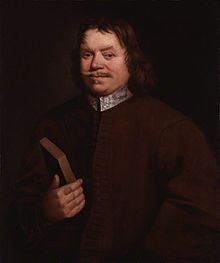
In John Bunyan's sermon, "Formalist and Hypocrisy," the principal theological topic addressed is the nature of true faith and the dangers of legalism and false assurance. Bunyan presents the characters Formalist and Hypocrisy as representations of individuals who seek shortcuts to salvation, emphasizing that they do not enter the Celestial City through the prescribed gate—representative of Christ—citing tradition instead of Scripture. The key Scripture references discussed include John 10:1, which warns against thieves and robbers, contrasting the authentic pilgrim's journey with that of those relying on their own works and traditions. This sermon underscores the Reformed doctrine of sola fide (faith alone) by illustrating that true salvation comes not through adherence to laws and human traditions but through faith in Christ, as well as the importance of the transformative grace symbolized by the coat of righteousness bestowed upon Christian.
“To journey to the gate for entrance was considered too far away by all our countrymen. Besides that, our custom is always to make a shortcut and climb over the wall.”
“You cannot be saved by laws and ordinances, and you did not come in at the narrow gate.”
“I have, moreover, a mark on my forehead... which one of my lord's most intimate associates fixed there on the day that my burden fell off my shoulders.”
“I tell you furthermore that I was then given a sealed scroll, to comfort me by reading it as I travel along the way.”
The Bible warns against hypocrisy, highlighting the importance of genuine faith and obedience to God.
Matthew 7:13-14
True salvation is confirmed through entering by faith into Christ, as the only gate to eternal life.
1 Peter 2:11
Following God's will is crucial for authentic obedience, which distinguishes true Christians from imposters.
Matthew 7:13-14
Auto-generated transcript • May contain errors

Comments
Your comment has been submitted and is awaiting moderation. Once approved, it will appear on this page.
Be the first to comment!