Bootstrap
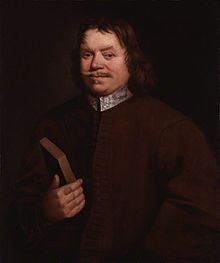
John Bunyan

11. Timorous and Mistrust

1 Peter 2:11; Matthew 7:13-14
John Bunyan • September, 16 2017 • Audio
0 Comments
We have published John Bunyan's "Pilgrim's Progress" in modern English. As you listen to this professionally read audio, you can also read along with the text here: http://www.gracegems.org/pilgrims_progress.htm#..., where you can purchase additional superb audios at very reasonable prices.

The sermon "Timorous and Mistrust" by John Bunyan addresses the theological themes of perseverance in the face of fear and the importance of assurance of salvation as depicted in the Christian journey. Bunyan contrasts the responses of two characters, Timorous and Mistrust, against Christian's resolve to continue his journey toward the Celestial City despite dangers. Rooted in Scripture, particularly 1 Peter 2:11, which calls believers to abstain from fleshly desires, and Matthew 7:13-14, which highlights the difficulty of the narrow path leading to life, Bunyan stresses the need for steadfastness and reliance on God's promises. The practical significance lies in the reminder of the hazards that can lead to spiritual complacency, as exemplified by Christian's moment of weakness in falling asleep, but also in the grace of God that restores and reassures believers of their salvation, reinforcing the doctrine of perseverance of the saints.

Key Quotes

“To go back is nothing but death. To go forward is fear of death and everlasting life beyond it.”

“Oh, what a wretched man I am! That I should sleep in the daytime, and in the midst of difficulty!”

“None can tell how joyful he then was, for this scroll was the assurance of his salvation and his pass to the celestial city.”

“Oh, you sinful sleep! Now I must journey on in the dark and hear the frightful noises of the night creatures.”

What does the Bible say about fear and trust in God?

The Bible encourages believers to trust in God amidst fears, as seen in 1 Peter 2:11.

The Bible speaks extensively about trusting in God, particularly when facing fears and trials. In 1 Peter 2:11, believers are reminded to live as sojourners and exiles, abstaining from passions that wage war against the soul. This verse emphasizes the importance of maintaining faith in God's promises rather than succumbing to fear and doubt. Furthermore, Matthew 7:13-14 illustrates the narrowness of the path towards eternal life, indicating that while the way may be difficult and fraught with danger, it ultimately leads to the Celestial City, where trust in God is paramount.

1 Peter 2:11, Matthew 7:13-14

How do we know perseverance in faith is important?

Perseverance in faith is crucial for reaching the promised eternal life, as illustrated through Christian's journey.

Perseverance in faith is a fundamental doctrine in Reformed theology, emphasizing that true believers will continue in faith until the end. Christian's journey, as depicted in the sermon, illustrates that despite moments of doubt or fear—exemplified by his encounter with Timorous and Mistrust—true faith compels the believer to move forward toward the Celestial City. This aligns with the understanding that salvation is a journey marked by challenges. A key aspect of this perseverance is recognizing that going back leads to spiritual death, while pressing on in faith, despite fear, leads to the assurance of salvation and eternal life.

1 Peter 2:11, Matthew 7:13-14

Why is confession of sin important for Christians?

Confession of sin is essential for restoration and receiving God's forgiveness, as seen in Christian's actions after losing his scroll.

Confession of sin is a vital aspect of the Christian journey, as it brings believers back into a right relationship with God. In the sermon, Christian's distress upon losing his scroll—a symbol of his salvation—prompted him to seek God's forgiveness, highlighting the necessity of acknowledging one's faults. This practice is not merely about feeling remorseful; it is about recognizing one's dependence on God’s grace. By confessing sin, believers engage in a transformative process that leads to restoration and the joy of salvation, thereby securing their pass to the Celestial City. This process is rooted in the understanding that all have sinned and fall short of the glory of God, necessitating daily confession and reliance on Christ’s redemptive work.

1 John 1:9, Romans 3:23

Sermon Transcript

Auto-generated transcript • May contain errors

100%
Timorous and Mistrust Now when he reached the top of the hill two men came running to meet him the name of the one was Timorous and the other Mistrust Christian inquired of them Sirs, what's the matter? you're running the wrong way Timorous answered, We were going to the Celestial City, but the further we go, the more dangers we meet with. Therefore we have turned around and are going back. Yes, said Mistrust, for there were lions just ahead of us on the path, and we did not know if they were asleep or awake. We were terrified that they would tear us to pieces.

Then Christian said, You frighten me, but where shall I flee to be safe? If I go back to my own country, which shall be destroyed by fire and brimstone, I will certainly perish there. I shall only be safe if I can reach the Celestial City. I must venture onward. To go back is nothing but death. To go forward is fear of death and everlasting life beyond it. Therefore I must surely go forward.

So Mistrust and Timorous ran down the hill, and Christian continued on the difficult way. Thinking of what he had heard from the men, he felt in his bosom for his scroll that he might read from it and be comforted, but he could not find it. Christian was then in great distress and did not know what to do, for the scroll was his pass into the celestial city. Therefore he was fearful and bewildered, not knowing what to do.

At last he remembered that he had slept at the arbour on the side of the steep hill. Falling down upon his knees, he asked God's forgiveness for his foolish act, and then went back to look for his scroll. Who can sufficiently set forth the sorrow of a Christian's heart as he went back? Sometimes he sighed, sometimes he wept, and often he rebuked himself for being so foolish as to fall asleep in that arbour which was only erected for a little refreshment for weary pilgrims.

Thus he went back. carefully looking on this side and on that side all the way as he went, hoping perhaps that he might find his scroll, which had been his comfort so many times on his journey. So he went on, until he again came within sight of the arbour where he had rested and slept. But that sight only increased his sorrow, by bringing his folly of sleeping once again into his mind.

Thus he bemoaned,

â€"'Oh, what a wretched man I am! That I should sleep in the daytime, and in the midst of difficulty! That I should so indulge my flesh! For the Lord of the hill has built this harbour only for the refreshment of pilgrims. How many steps have I taken in vain! Thus it happened to Israel for their sin. They were sent back again by the way of the Red Sea. Just so I may to retrace those steps with sorrow, which I might have trod with delight, had it not been for my folly of sleeping. How much further along my way might I have been by this time! But I had to tread these steps three times, which I only needed to have trod but once. Yes, now I must journey in the dark of night, for the daylight is almost gone. Oh, that I had not slept!

Reaching the arbour, he sat down and wept. Then, looking around sorrowfully under the bench, he spotted his scroll. With trembling and haste he snatched it up and put it into his bosom. None can tell how joyful he then was, for this scroll was the assurance of his salvation and his pass to the celestial city. Therefore he secured it in his bosom, gave thanks to God for directing his eye to the place where it had fallen, and with joys and tears resumed his journey.

Oh, how carefully now did he go up the rest of the hill! Yet, before he reached the top, the sun had gone down, and this made Christian again recall the folly of his sleeping in the harbour. Thus once more he began to reprove himself. Oh, you sinful sleep! Now I must journey on in the dark and hear the frightful noises of the night creatures."

Just then he remembered the report that Mistrust and Timorous warned him of, how they were frightened with the sight of the lions. Then Christian thought to himself, these beasts roam in the night for their prey. And if I should encounter them in the dark, how could I overcome them? How could I escape from being torn to pieces?

thus Christian went on his way but while he was thus bemoaning his difficult situation he lifted up his eyes and behold there was a very stately palace directly ahead the name of the palace was beautiful you
John Bunyan
About John Bunyan
John Bunyan (1628-1688) was a Puritan preacher best remembered as the author of the allegory The Pilgrim's Progress. In addition to The Pilgrim's Progress, Bunyan wrote nearly sixty titles.
Broadcaster:

Comments

0 / 2000 characters
Comments are moderated before appearing.

Be the first to comment!

Joshua

Joshua

Shall we play a game? Ask me about articles, sermons, or theology from our library. I can also help you navigate the site.