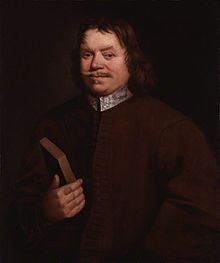
Christian and Faithful’s encounter underscores the journey of the believer in light of Reformed theology's emphasis on perseverance and the communal aspect of faith. The sermon illustrates the importance of companionship in the Christian pilgrimage, evidencing how mutual encouragement can fortify believers against trials, temptations, and the allure of worldly distractions. Scripture references like 1 Peter 2:11, which calls believers to abstain from fleshly lusts, and Matthew 7:13-14, illustrating the narrow path of salvation, support the necessity of discernment and companionship on the Christian journey. The sermon’s practical significance highlights the need for vigilance and courage among believers, affirming that true companions share the same goals of faith and perseverance, ultimately reminding the church of the dangers posed by abandoning the path or succumbing to worldly pressures.
Key Quotes
“I had rather go through this valley to obtain the honour so highly valued by the wise than to choose that which he esteemed more worthy.”
“I told him that whatever he said, and however he flattered me, that if he brought me to his house, he would sell me for a slave.”
“Seeing then that God prefers his divine religion, and a tender conscience... the poor man who loves Christ is richer than the greatest man in the world who hates him.”
“Oh, let the pilgrims then be vigilant and act courageous like men.”
The narrow way represents the difficult path of faith leading to life, as noted in Matthew 7:13-14.
In Matthew 7:13-14, we see Jesus teaching that the way to life is narrow and difficult, while the road to destruction is wide and easy. This symbolizes the challenges that Christians face in their journey of faith. Following the narrow way requires a commitment to follow Christ, endure trials, and resist the temptations of the world. It emphasizes the reality that true discipleship may lead to ridicule or hardship but ultimately results in eternal life.
Matthew 7:13-14
Companionship among believers encourages perseverance in faith and mutual support on the pilgrimage of life.
The importance of companionship among believers is echoed throughout scripture, as seen in the early Christian community and the exhortations to bear one another's burdens. As pilgrims, Christians face many struggles and temptations; having a like-minded companion strengthens faith and provides encouragement. In the journey illustrated in Bunyan's work, the friendship between Christian and Faithful highlights the necessity of sharing experiences and comforting one another, thus promoting perseverance in the Christian walk.
Galatians 6:2, Ecclesiastes 4:9-10
God's judgment is affirmed in scripture, illustrating His holiness and justice.
The reality of God's judgment is a central theme throughout the Bible, serving as both a warning and motivation for righteous living. Passages such as Romans 2:6, which states that God 'will repay each person according to what they have done,' affirm the certainty of divine judgment. The impending destruction of the City of Destruction as discussed in Bunyan’s text serves as a representation of the ultimate outcome for those who reject God’s sovereignty. Believers are encouraged to heed such warnings and pursue a life that reflects their faith in Christ.
Romans 2:6, Hebrews 9:27
Turning back from faith leads to spiritual peril, illustrating a rejection of God's grace.
The dangers of turning back from faith are vividly highlighted through the character of Pliable in Bunyan's narrative. When faced with challenges, he returns to the City of Destruction, losing any hope of salvation. Hebrews 10:38 warns that 'my righteous one will live by faith; and I take no pleasure in the one who shrinks back.' Turning back signifies a rejection of God's saving grace and risks resulting in spiritual ruin. This serves as a critical reminder for believers to remain steadfast in their faith amidst trials and tribulations.
Hebrews 10:38, 2 Peter 2:20-22
Resisting temptation involves steadfastly choosing to follow God's will despite alluring distractions.
In the Christian life, resisting temptation is a continuous struggle articulated by both scripture and the experiences of pilgrims like Faithful in Bunyan's writing. James 4:7 states, 'Submit yourselves, then, to God. Resist the devil, and he will flee from you.' This illustrates that true resistance comes through submission to God and reliance on His strength. Temptations, such as those represented by Wanton, strive to draw believers away from their path; recognizing these lures and holding firm in faith are essential for spiritual victory.
James 4:7, 1 Corinthians 10:13
Comments
Your comment has been submitted and is awaiting moderation. Once approved, it will appear on this page.
Be the first to comment!
