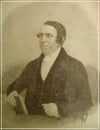
In his sermon titled "God leading His people through the wilderness," James Smith explores the theological theme of God's providential guidance as His chosen people navigate the challenges of life. He argues that the wilderness experience is a necessary phase in the Christian journey, where believers confront spiritual hunger, exhaustion, and opposition, ultimately preparing them for the promised land of eternal life. Smith cites Psalm 107 and Psalm 136 to emphasize God's enduring mercy and faithfulness in leading His people. He highlights the multifaceted nature of God's guidance—through His Word, His providence, and His servants—demonstrating that it is through the difficulties of the wilderness that believers are taught to rely on God's sufficiency. The practical significance of this teaching lies in the encouragement it provides to persevere through trials, trusting that they serve as means of spiritual growth and preparation for eternal glory.
“Everything short of hell is mercy.”
“The Lord leads us like a faithful shepherd leads a flock, with care, watchfulness, and wisdom.”
“In the wilderness, He prepares them for Canaan, He weans them from the world, empties them of self, and shows them the insufficiency of all creatures.”
“Only those whom God leads through the wilderness ever arrive safely there.”
The Bible emphasizes that God's mercy leads His people through life’s journey, especially during trials.
Psalm 136:16
Understanding the wilderness experience helps Christians recognize God's purpose and provision during trials.
Psalm 107
God's guidance is evident through His Word, His providence, and the care He shows for His people.
Psalm 107; Psalm 136
Auto-generated transcript • May contain errors

Comments
Your comment has been submitted and is awaiting moderation. Once approved, it will appear on this page.
Be the first to comment!