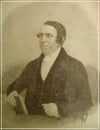
In "The Restless Bed," James Smith addresses the doctrine of hell, emphasizing its eternal reality and the just consequences of sin. He articulates that to "make one's bed in hell" is to embrace the eternal suffering that results from rejecting Christ and God's grace. Drawing on Psalm 139:8, he describes hell as a place devoid of hope and relief, filled instead with torment and the just punishment for sin. He warns congregants of the dire consequences of their earthly actions, using vivid imagery to illustrate that each individual constructs their own eternal fate through their choices in life, underscoring the Reformed understanding of total depravity and the need for regeneration by the Holy Spirit for salvation.
“Heaven is the gift of God's grace, but hell is the wages of sin.”
“What are sinners on earth doing? Making their bed in hell.”
“The wages of sin is death, eternal death.”
“Without true holiness, no one can see the Lord.”
The Bible describes hell as a place of eternal punishment for unrepentant sinners, characterized by agony and separation from God.
Psalm 139:8; Revelation 22
The concept of hell underscores the seriousness of sin and the necessity of repentance and faith in Jesus for salvation.
Romans 6:23, John 3:36
Hell is affirmed in Scripture as a real and eternal place, underscored by the teachings of Jesus and the apostolic writings.
Matthew 13:42, Luke 16:23, Revelation 20:10
Sin leads to hell as it incurs the just penalty of eternal separation from God and His holiness.
Romans 6:23, James 1:15, Revelation 21:8
Auto-generated transcript • May contain errors

Comments
Your comment has been submitted and is awaiting moderation. Once approved, it will appear on this page.
Be the first to comment!