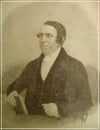
The sermon "The Lifeboat of Free Grace" by James Smith primarily addresses the doctrine of grace within the context of Reformed theology, particularly highlighting salvation and the Christian's struggle with sin. Smith articulates that believers often feel cast down due to their imperfections and shortcomings, yet he argues that true hope lies not in self-reflection but in reliance on the grace of Jesus Christ. Key biblical references such as Ephesians 1 and Romans 8 are invoked to emphasize that salvation is entirely by grace, created and sustained by God, ensuring that despite human frailty, believers are assured of their eternal security through Christ. The practical significance of this message is that recognizing and depending on God's free grace offers encouragement and peace, allowing believers to navigate their struggles with sin and maintain hope for their spiritual journey toward glory.
“If you carry them to the throne of grace, if you there confess them before God, if you look to Jesus to save you from them, then, in spite of them, you will not long be cast down.”
“We must run the race, not looking at our imperfections, shortcomings, and failures, but looking unto Jesus.”
“Salvation is by free grace, from first to last. Believe this, and it will raise up your drooping mind.”
“Hope in God, His mercy is great unto the heavens, His grace is as free as the air, His love is as changeless as His nature.”
The Bible teaches that salvation is by free grace, emphasizing God's unearned favor towards sinners.
Ephesians 1, Romans 8
Salvation by grace alone is reinforced through Scripture, highlighting our inability to earn God's favor.
Ephesians 2:8-9, Romans 5:8
Hope in God's mercy is crucial as it anchors our faith and reassures us of His steadfast love and forgiveness.
Romans 8:38-39
Auto-generated transcript • May contain errors

Comments
Your comment has been submitted and is awaiting moderation. Once approved, it will appear on this page.
Be the first to comment!