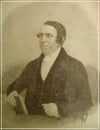
In his sermon, James Smith addresses the profound doctrine of substitutionary atonement, focusing on Christ’s sacrificial role in taking away sins. He argues that despite humanity's egregious transgressions against God's law and love, Jesus willingly endured suffering and the fullness of divine wrath to restore the relationship between God and sinners. Smith references 1 John 3:5, which affirms that Jesus came specifically to eliminate sin, and Isaiah 53, highlighting the suffering servant who bears our iniquities. The implications of this doctrine are immense in the Reformed tradition, emphasizing the total depravity of man and the amazing grace of God, which assures believers of their secured salvation through Christ’s atoning sacrifice.
“Jesus came to take away our sins... Our sins were committed against Himself. They deserved His everlasting displeasure.”
“He bore the weight of them, he endured their merited punishment, and he suffered the shame they procured.”
“You would save your people from their sins... you would put away our sins by the sacrifice of yourself.”
“Your love is astonishing, inconceivable, and almost too great for my weak faith to believe.”
The Bible states that Jesus came to take away our sins, fulfilling the divine justice and appeasing God's wrath for our transgressions (1 John 3:5).
1 John 3:5
Jesus's death was necessary because it satisfied the claims of divine justice and bore the curse we deserved (Isaiah 53).
Isaiah 53
Understanding God's love is crucial for Christians because it reflects His willingness to sacrifice Himself for our redemption (1 John 3:5).
1 John 3:5
Auto-generated transcript • May contain errors

Comments
Your comment has been submitted and is awaiting moderation. Once approved, it will appear on this page.
Be the first to comment!